What Does Psilocybin Florida Unveil About Microdosing Ethics
Opening Portal to Ethical Microdosing Insight
Psilocybin therapy in Florida enters the mainstream
Florida’s mental-health community is witnessing a rapid embrace of Psilocybin therapy as research accelerates. Clinicians now discuss Psilocybin treatment beside cognitive-behavioral approaches with equal seriousness. Patients searching for alternatives to long-term pharmaceuticals discover that carefully guided magic mushrooms sessions can nurture lasting relief. This shift did not happen overnight; it grew from years of university trials, grassroots advocacy, and evolving public policy. Today, Floridians regularly hear about Psilocybin therapy in Florida from primary-care physicians, podcasts, and even neighborhood wellness fairs.
Regulated clinic settings amplify public trust by pairing licensed therapists with meticulously cultivated Psilocybin mushrooms. Each program emphasizes safety protocols, medical screening, and evidence-based integration counseling. The result is a service model that feels familiar yet refreshingly innovative, melding holistic principles with rigorous bioethics. When patients realize they can explore non-ordinary states without abandoning scientific safeguards, curiosity turns to cautious optimism. Guided sessions now support depression, anxiety, PTSD, and addiction recovery goals across diverse communities. A growing body of local outcome data further normalizes this once-controversial practice.
The rise of microdosing and its moral crossroads
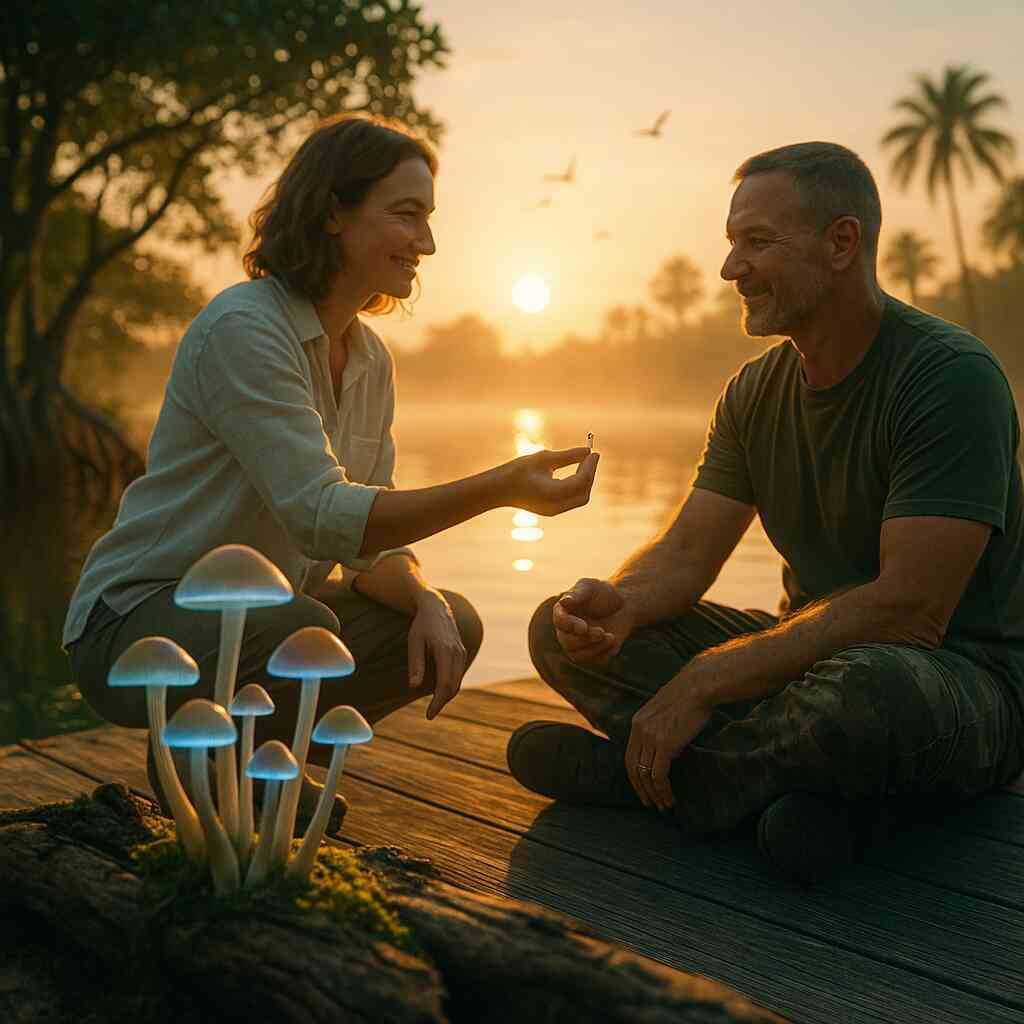
Alongside full therapeutic dosing, microdosing silently edges into coffee-break conversations from Miami to Pensacola. Psilocybin microdosing in Florida typically involves sub-perceptual amounts taken on cyclic schedules to bolster mood, creativity, and focus. Early adopters, influenced by tech-industry lore, often self-experiment without clinical oversight; ethics enter the picture immediately. Is it responsible to manipulate neurochemistry without professional guidance? What obligations do clinicians have when patients quietly arrive already microdosing?
The debate widens when considering Psilocybin treatment for depression at doses below threshold. Some psychiatrists argue that any brain-altering compound warrants medical supervision, because subtle serotonin-2A stimulation still shifts cognition. Advocates counter that autonomous self-care aligns with principles of cognitive liberty if risks remain low. Regulators must navigate personal freedom, public health, and potential commercialization pressures. Meanwhile, a growing number of clinics now offer physician-guided protocols, framing microdosing as structured preventive care rather than underground hobby. Such evolution reflects a collective desire for ethical clarity before mainstream adoption explodes.
Magic mushrooms for mental health and public perception
Public opinion on magic mushrooms for mental health has transformed from taboo to cautiously supportive. Media profiles showcase veterans easing PTSD symptoms, teachers conquering burnout, and retirees rediscovering joy. Each story reframes Psilocybin mushrooms as potential allies, not rebellious contraband. Nonetheless, sensational coverage can oversimplify risks, prompting ethical concern. Confusion around dosage, interactions, and unsuitable settings may encourage reckless experimentation, especially among impressionable youth.
Community education therefore becomes a moral imperative. Clinics like the Comprehensive psilocybin therapy resource in Florida distribute balanced guidance on preparation, integration, and harm reduction. Workshops explain set and setting, contraindications, and the difference between therapeutic dosing versus recreation. This transparency dismantles myths while respecting cultural lineage and scientific nuance. As Floridians gain informed consent literacy, stigma decreases without glamorizing substance use. The conversation moves from fear or hype toward thoughtful, compassionate inquiry.
Mapping the Moral Terrain of Sub Perceptual Psilocybin
Patient autonomy in psychedelic care and informed consent essentials
Respect for patient autonomy anchors ethical Psilocybin treatment. Floridians exploring Psilocybin microdosing in Florida deserve transparent information about benefits, risks, and alternatives. Clinicians therefore provide plain-language explanations of dosage schedules, potential serotonergic interactions, and realistic outcome timelines. Patients then decide whether microdosing aligns with their mental-health goals, honoring informed consent in psychedelic therapy. This collaborative process reduces coercion, builds trust, and underpins every responsible psychedelic use guideline.
Trusted clinics also weave autonomy into ongoing monitoring. Before each refill, practitioners reassess mood, cognition, and lifestyle changes, adjusting protocols only with explicit approval. Digital consent forms document evolving intentions, ensuring alignment with ethical microdosing practices. Many programs reference the Ultimate 2026 guide to safe microdosing in Florida when educating newcomers on safety cycles and integration rituals. By pairing science with choice, Psilocybin therapy in Florida exemplifies patient-centered innovation.
Indigenous wisdom and psilocybin stewardship lessons
Long before modern clinics, Indigenous communities treated magic mushrooms as sacred teachers rather than biochemical tools. Their ceremonial frameworks highlight reciprocity, humility, and communal support-values now re-emerging within contemporary Psilocybin therapy. Practitioners studying these traditions learn to prioritize intention setting, respectful language, and collective healing over individual gain. Such cross-cultural listening safeguards ancestral knowledge while informing today’s ethical standards.
Florida facilitators increasingly invite qualified Indigenous educators to co-design orientation modules. Participants hear origin stories, ecological cautions, and guidance on honoring the fungus spirit through mindful harvesting. This dialogue counters extractive mindsets that could commodify Psilocybin mushrooms. By grounding microdosing protocols in stewardship lessons, clinics foster cultural sensitivity and deepen the medicine’s transformative potential.
Sustainable magic mushroom sourcing for ecological balance
Demand for microdosing capsules keeps rising, yet careless cultivation can strain delicate mycological ecosystems. Ethical providers therefore adopt indoor bio-controlled grows that replicate rainforest humidity without deforesting wild habitats. Laboratory testing confirms purity and potency, reducing the temptation to overforage native Psilocybe species. Transparent supply chains reassure patients that therapeutic mushrooms were produced without harming biodiversity.
Sustainability also extends to biodegradable packaging, carbon-neutral shipping, and composting spent substrate. Community workshops teach patients to identify endangered species and report illegal poaching. These initiatives cultivate environmental guardianship alongside personal growth. When sourcing mirrors ecological balance, practitioners model holistic wellness that respects planet and psyche alike.
Bioethics of neuroplasticity enhancement and cognitive liberty
Microdosing stimulates cortical neuroplasticity, potentially accelerating habit change and emotional resilience. Yet modifying synaptic pathways raises bioethical questions regarding consent, long-term unknowns, and equitable access. Clinicians discuss pharmacology of psilocin’s receptor affinity, emphasizing that brain architecture will subtly shift. Patients weigh desired outcomes against uncertainties, exercising cognitive liberty within an evidence-based framework.
Equity considerations further shape protocol design. Sliding-scale fees, multilingual materials, and telehealth check-ins democratize neuroplasticity enhancement beyond affluent circles. Researchers share anonymized data with oversight boards, promoting transparency without compromising privacy. Such safeguards uphold public trust while advancing the science of responsible neuropharmacology.
Therapeutic dosing versus recreational use boundaries
Clear dosing boundaries differentiate clinical care from casual experimentation. Therapeutic microdoses remain sub-perceptual, supporting steady mood regulation rather than euphoria. Recreational users, by contrast, may seek vivid visuals or party environments where risks escalate. Providers educate clients on these distinctions, framing Psilocybin treatment for depression as structured medicine rather than entertainment. Written agreements reinforce commitment to medical protocols.
Harm reduction for psilocybin users complements boundary education. Integration sessions explore triggers, set and setting, and contingency plans if tolerance shifts. Practitioners encourage journaling to track subtle cognitive changes, avoiding unplanned dose increases. By maintaining clear lines between healing and hedonism, Florida clinics safeguard public health while nurturing transformative possibility.
Clinical Compass for Responsible Psilocybin Microdosing
Physician guided microdosing protocols and personalized medicine
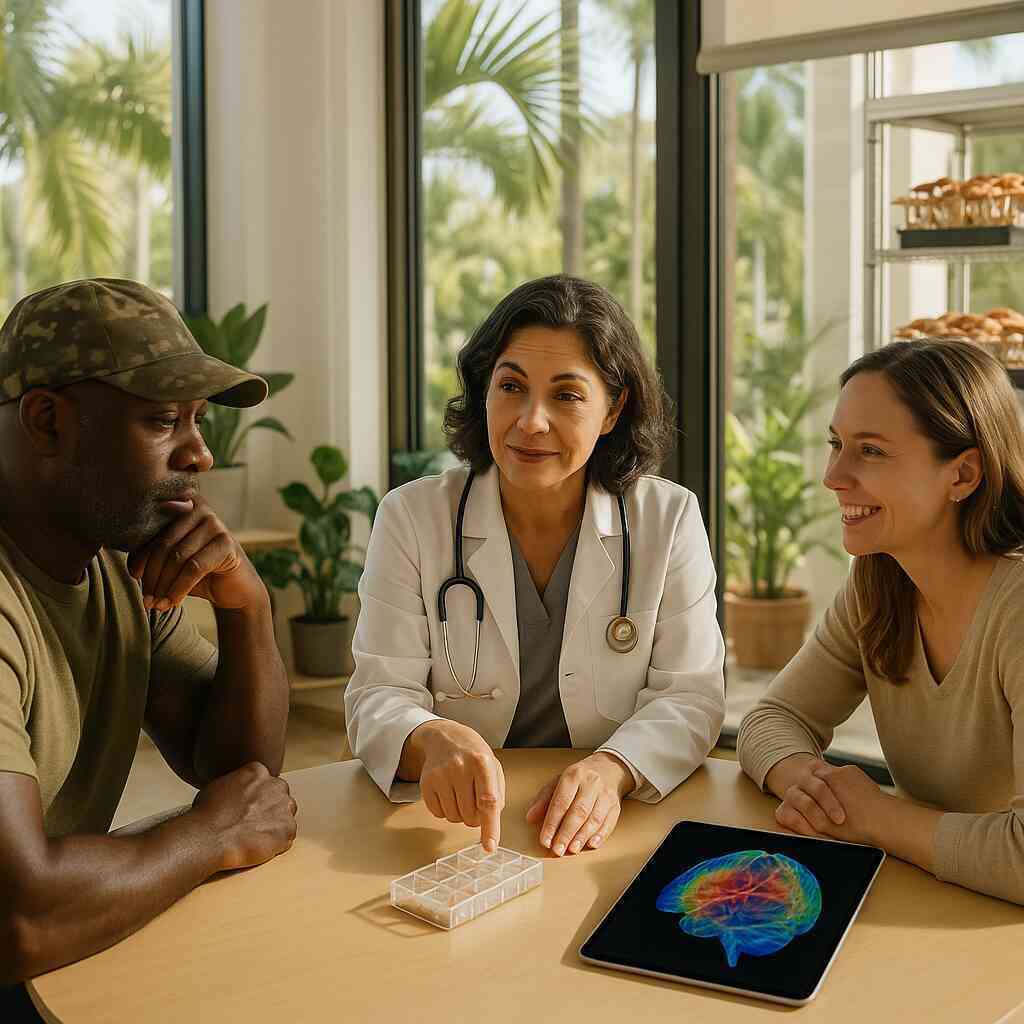
Florida’s leading clinics insist that every microdosing journey begins with a physician-guided assessment. Board-certified psychiatrists review medical history, current prescriptions, and lifestyle factors to craft personalized psilocybin medicine schedules. Genomic testing, when appropriate, refines dosage by revealing metabolism speed and serotonin-receptor variants. This precision shields patients from adverse interactions while honoring informed consent in psychedelic therapy. By weaving evidence, clinical intuition, and patient autonomy in psychedelic care, practitioners convert abstract ethics into concrete safety plans.
Once dosing starts, wearable biosensors track sleep, heart-rate variability, and mood trends in real time. Physicians adjust protocols quickly when data diverge from therapeutic targets, preventing tolerance or serotonin overload. Integration coaches meet weekly with patients to discuss subtle cognitive shifts, anchoring neuroplastic insights in daily routines. Such tightly coupled monitoring embodies responsible psychedelic use guidelines that prioritize both measurable outcomes and experiential depth. As a result, Psilocybin microdosing in Florida gains medical legitimacy without sacrificing the curiosity that draws many seekers.
Harm reduction for psilocybin users and integration support
Harm-reduction specialists acknowledge that some Floridians will explore magic mushrooms outside clinical walls. Rather than judge, they provide pragmatic tools for safer experiences. Educational modules explain set and setting, highlight contraindications, and outline therapeutic dosing versus recreational use boundaries. Users learn to avoid MAOI combinations, hydrate appropriately, and keep emergency contacts handy. This approach reduces emergency-room visits while nurturing trust between underground explorers and licensed providers.
Integration support begins the moment psychoactive effects fade. Certified coaches guide clients through journaling, breathwork, and community circles to translate ephemeral insights into lasting growth. Techniques borrowed from cognitive-behavioral therapy, mindfulness, and somatic tracking consolidate new neural pathways established by microdosing. Over time, participants report reduced anxiety spikes, steadier focus, and deeper self-compassion. By coupling harm reduction for psilocybin users with structured integration, Florida clinics turn short trips into catalysts for sustainable mental wellness.
Regulatory landscape for Florida psilocybin clinics and evolving legislation
State policymakers now walk a delicate line between public enthusiasm and cautious oversight. Current regulations permit licensed mental-health centers to dispense standardized Psilocybin mushrooms under physician supervision. Strict laboratory testing, secure storage, and patient registries form the backbone of compliance. Inspectors audit electronic records quarterly, ensuring dosage accuracy and confidentiality protections remain intact. These safeguards reinforce the credibility of Psilocybin therapy in Florida as it matures.
Legislative committees continue to refine rules on practitioner credentials, telehealth approvals, and marketing claims. Proposed updates may broaden access to rural counties while tightening advertising restrictions that could glamorize unverified benefits. Stakeholders from veteran groups, indigenous coalitions, and hospital networks testify during public forums, shaping policy that respects diverse voices. Observers agree that transparent dialogue will determine whether Florida becomes a national model for ethical microdosing practices. Until then, clinics stay agile, ready to align protocols with each regulatory wave.
Evidence base of microdosing benefits across depression PTSD and addiction
Peer-reviewed studies increasingly validate microdosing’s ability to modulate mood circuits without inducing hallucinations. Functional MRI scans show heightened connectivity between the prefrontal cortex and limbic regions, correlating with reduced rumination in depressive patients. A statewide cohort trial revealed significant drops in nightmare frequency among veterans pursuing PTSD relief through psilocybin therapy. Meanwhile, early addiction research notes that diminished default-mode rigidity can weaken cue-induced cravings for alcohol and nicotine.
Clinics translate these findings into targeted treatment tracks. For example, individuals seeking relief from persistent sadness may enroll in the program anchored by the resource on Targeted psilocybin treatment for depression disorders to pair microdosing with cognitive reframing exercises. Similarly, trauma-focused groups combine low-dose sessions with EMDR to interrupt flashback loops, while addiction cohorts integrate motivational interviewing and support groups. Continuous outcome monitoring feeds anonymized data back into research consortia, strengthening the clinical evidence for microdosing benefits and driving iteration of best practices.
Holistic mental health approaches blending neuroscience and spiritual growth
Neuroscientists emphasize psilocin’s role in transiently relaxing the brain’s predictive coding, allowing novel associations to emerge. Spiritual mentors, by contrast, frame the same phenomenon as thinning the veil between ego and interconnected consciousness. Florida’s premier clinics invite both perspectives, cultivating holistic mental health approaches that respect multiple ways of knowing. Meditation rooms sit beside EEG labs, and ceremonial breathwork often precedes neurocognitive testing. Patients therefore feel seen as whole beings rather than diagnostic codes.
This integrative philosophy encourages spiritual growth through microdosing without drifting into ungrounded mysticism. Therapists help clients synthesize symbolism encountered during reflective walks or guided imagery, linking archetypal insights to actionable behavioral changes. Nutritionists suggest anti-inflammatory diets that further support neuroplasticity, while yoga instructors teach poses that stabilize embodied awareness. Together, these disciplines craft a compassionate use of psychedelics framework where mind, body, and spirit evolve in harmony, fulfilling the promise of Psilocybin treatment for depression and beyond.
Closing the Circle on Compassionate Psilocybin Practice
Key takeaways for ethical microdosing practices
Ethical microdosing begins with clear intention, patient autonomy, and transparent education. Practitioners must stress informed consent in psychedelic therapy, ensuring every participant understands benefits and limitations. Ongoing monitoring safeguards mental and physical health, aligning with responsible psychedelic use guidelines that prioritize safety over novelty. Sustained integration work also matters, because insights fade without disciplined application in daily life. Finally, community accountability fosters trust, reminding everyone that magic mushrooms for mental health carry collective responsibilities beyond personal gain.
Florida clinicians routinely emphasize dosage discipline, screening for contraindications and drug interactions before enrollment. They teach patients to respect sub-perceptual thresholds rather than chase stimulation, reducing risk of psychological overstretch. This measured stance protects neuroplasticity enhancement without encouraging reckless experimentation. Moreover, ethical microdosing practices include periodic breaks, allowing serotonin receptors to recalibrate naturally. When protocols weave caution, reverence, and data, microdosing thrives as a sustainable mental-wellness tool.
Vision for compassionate use of psychedelics in community health
A compassionate use of psychedelics framework integrates science, spirituality, and social equity. Clinics collaborate with neighborhood centers to provide sliding-scale programs, extending psilocybin microdosing in Florida beyond affluent circles. Outreach teams translate materials into multiple languages, honoring cultural diversity while dispelling myths. By pairing trauma-informed counseling with physician-guided microdosing protocols, facilitators empower marginalized groups to reclaim agency over healing journeys. The community thus becomes an ecosystem where transformative insights ripple outward, strengthening collective resilience.
Sustainable magic mushroom sourcing and ecological stewardship further advance community health goals. Cultivators adopt closed-loop systems that minimize waste and protect wild Psilocybe habitats. Educational workshops teach participants to honor fungal intelligence, echoing Indigenous wisdom and psilocybin stewardship lessons discussed earlier. This holistic vision reframes magic mushrooms as allies within broader environmental and social justice movements. Ultimately, compassionate care means fostering harmony between mind, body, society, and planet.
Invitation to engage with Psilocybin Treatment Florida for continued dialogue
Psilocybin Treatment Florida welcomes seekers, skeptics, and professionals eager to refine ethical frameworks together. Whether you’re exploring psilocybin treatment for depression, contemplating preventive microdosing, or researching policy, our team offers evidence-based guidance. We invite you to attend virtual forums, integration circles, and clinician roundtables that keep discourse evolving. Through these conversations, best practices stay dynamic, adapting to new research and lived experiences alike.
For those curious about expansion beyond conventional talk therapy, our resource on Personal growth beyond talk therapy through psilocybin illustrates transformative pathways. Reach out to schedule a confidential consultation, tour our serene treatment rooms, or collaborate on community education projects. Together, we can uphold ethical microdosing practices that honor safety, dignity, and wonder. The circle remains open, ready to welcome every voice committed to compassionate psychedelic healing in Florida.
 Frequently Asked Questions
 Frequently Asked Questions
Question: How does Psilocybin Florida guarantee ethical microdosing practices within its physician-guided protocols?
Answer: Our clinic follows responsible psychedelic use guidelines from intake through after-care. Board-certified psychiatrists design personalized psilocybin medicine schedules that stay firmly in the sub-perceptual range. Each patient completes a medical screening to flag contraindications, then signs fully transparent consent forms explaining potential benefits, risks, and alternatives. Wearable biosensors and weekly check-ins track mood, sleep, and cognition so that we can adjust or pause dosing whenever safety indicators shift. By combining patient autonomy in psychedelic care with rigorous data monitoring, Psilocybin Florida sets the standard for ethical microdosing practices in the state.
Question: What role does informed consent in psychedelic therapy play at Psilocybin Florida clinics?
Answer: Informed consent is the cornerstone of every Psilocybin treatment we provide. During a 60-minute orientation, clinicians explain how psilocin interacts with serotonin-2A receptors, outline the evidence base for microdosing benefits, and discuss alternatives such as CBT or SSRIs. Patients receive written material in plain language and multiple languages, ensuring comprehension regardless of background. Only after all questions are answered do clients sign a dynamic consent document that can be revisited and revised at any time. This process empowers participants, honors cognitive liberty, and fosters lasting trust in our Psilocybin therapy in Florida.
Question: How are sustainable magic mushroom sourcing and indigenous stewardship wisdom woven into your programs?
Answer: We cultivate Psilocybin mushrooms in closed-loop, indoor biogardens that replicate natural humidity without disturbing wild ecosystems. All substrate is composted, packaging is biodegradable, and every batch undergoes third-party potency and purity testing. In addition, we host monthly workshops led by Indigenous educators who share cultural perspectives on ceremonial use and ecological reciprocity. This dual commitment to sustainable magic mushroom sourcing and indigenous wisdom and psilocybin stewardship aligns our clinical work with planetary and cultural ethics.
Question: In the blog What Does Psilocybin Florida Unveil About Microdosing Ethics, neuroplasticity enhancement was highlighted. How does your personalized psilocybin medicine leverage this for depression and PTSD relief?
Answer: Microdosing stimulates transient neuroplastic windows that make new emotional patterns easier to adopt. For patients seeking Psilocybin treatment for depression or PTSD relief through psilocybin therapy, we pair low doses with evidence-based modalities such as EMDR, mindfulness training, and cognitive reframing exercises. Functional MRI partnerships allow us to visualize connectivity changes in the prefrontal-limbic circuits, validating progress in real time. By synchronizing neuroscience of psilocybin microdosing with personalized integration coaching, clients often report reduced rumination, fewer nightmares, and a renewed sense of agency within 8-10 weeks.
Question: What harm-reduction and integration support services do you offer to keep therapeutic dosing distinct from recreational use?
Answer: We maintain clear therapeutic dosing versus recreational use boundaries through structured education, secure dispensing, and ongoing mentorship. Clients receive a harm reduction for psilocybin users handbook covering set and setting, drug-interaction warnings, and emergency protocols. Integration specialists meet weekly-virtually or onsite-to translate subtle insights from microdosing into concrete lifestyle changes. Should a patient’s goals shift, dosing pauses while we reassess intentions and mental-health status. This comprehensive safety net helps Floridians gain the mental-health advantages of magic mushrooms without drifting into unmonitored experimentation.