Unraveling Psilocybin Florida’s Complex Therapy Strategies in PTSD
Opening the Mycelial Portal to Psychedelic Assisted PTSD Relief
Florida psychedelic renaissance in mental health care
Florida’s coastal communities are witnessing a transformative wave as innovative clinics highlight psilocybin treatment as a legitimate mental-health frontier. Accelerated by cutting-edge research, practitioners now champion psychedelic-assisted psychotherapy as an answer where conventional regimens once stalled. Residents searching for authentic healing increasingly look toward nature-derived compounds rather than solely pharmaceutical fixes. This cultural shift places patient empowerment, informed consent, and trauma-informed ethics at the center of every conversation. Excitement builds because the state’s diverse ecosystems mirror an equally diverse range of therapeutic possibilities.
From Miami art districts to quiet Gulf towns, clinicians collaborate with neuroscientists to refine protocols that respect tradition while embracing science. Conferences, community forums, and peer-reviewed studies illuminate psilocybin’s capacity to spark neuroplasticity through magic mushrooms, inviting broader societal acceptance. Forward-thinking mental-health advocates emphasize regulated access, acknowledging safety as the keystone of responsible growth. Such collaboration nurtures public trust, opening doors to sustainable policy evolution. The renaissance thrives on transparency, measurable outcomes, and unwavering compassion.
Growing numbers of trauma survivors share testimonials describing clarity, reduced hypervigilance, and rekindled hope following guided journeys. Each story reinforces a simple premise: intentional psychedelic care can rekindle connection where despair once lived. As research expands, data drive insurance conversations, prompting new reimbursement models that could reshape behavioral health delivery statewide. With meticulous screening and post-session integration, clinicians protect vulnerable participants while honoring each person’s autonomy. In turn, Florida emerges as a beacon for evidence-based visionary medicine.
Reimagining trauma healing through psilocybin therapy
Traditional PTSD interventions often target symptom suppression, yet many veterans still wrestle with intrusive memories. Psilocybin therapy invites a paradigm shift by fostering experiential processing rather than avoidance. During a facilitated session, heightened neuroplasticity permits fresh emotional associations, allowing fear patterns to soften. Skilled guides employ mindfulness, breathwork, and music to help participants navigate intense imagery safely. Consequently, entrenched trauma loops can unravel within an atmosphere of radical acceptance.
Clinical teams at Psilocybin Florida design protocols that honor set and setting while customizing dosage to individual histories. Preparatory counseling clarifies intentions, screens for contraindications, and reinforces coping skills. By the time the ceremonial dose unfolds, clients know their inner terrain and trust their support network. This robust scaffolding reduces adverse reactions and maximizes therapeutic insight. Grounded preparation therefore distinguishes medical-grade journeys from recreational experimentation.
Following the experience, integration specialists translate visionary material into actionable daily practices. Journaling, group circles, and somatic therapies help cement newly discovered resilience. Patients learn to reframe traumatic narratives through coherent storytelling, transforming chaos into meaning. This deliberate synthesis converts transient neurochemical states into long-term behavioral change. Over weeks, hyperarousal often recedes while relational capacity blossoms, underscoring psilocybin’s role in durable recovery.
The holistic promise of magic mushrooms for combat related PTSD
Combat veterans frequently bear complex trauma encompassing moral injury, grief, and survivor’s guilt. Psilocybin treatment addresses these multidimensional wounds by catalyzing profound states of empathy and self-forgiveness. Under supportive care, service members revisit searing memories without dissociation, witnessing them through a compassionate lens. As shame dissolves, identity reorients around renewed purpose rather than perpetual vigilance. Biological and existential healing progress hand in hand.
Modern protocols weave mushroom medicine with sleep hygiene, nutrition, and physical activity, generating whole-person resilience. Yoga, cold-water therapy, and nature immersion complement neural rewiring initiated during sessions. This synergy stabilizes the autonomic nervous system, decreasing startle responses and improving emotional regulation. Clinicians track heart-rate variability and qualitative metrics to verify progress objectively. Outcome data guide iterative adjustments, ensuring personalized care.
Veterans exploring options can access comprehensive psilocybin-assisted PTSD care in Florida through multidisciplinary teams versed in cultural competency. These programs collaborate with family systems, veteran service organizations, and spiritual advisors to reinforce communal bonds. Financial counselors assist with grants and sliding scales so no warrior faces healing barriers alone. Ultimately, such integrated frameworks transform mushroom ceremonies into sustained pathways toward post-traumatic growth.
Translating Neurobiological Alchemy into Trauma Focused Psilocybin Therapy
Serotonin receptor choreography and fear extinction pathways
Psilocybin engages the 5-HT2A serotonin receptor, orchestrating neural rhythms that underlie trauma memories. This receptor choreography weakens maladaptive synapses while amplifying flexible networks. Florida clinicians leverage this mechanism during trauma-focused psilocybin therapy, guiding clients through narrative exposure while cortical plasticity peaks. Emerging imaging shows amygdala calmness coinciding with prefrontal leadership, encouraging safer emotional recall. For deeper reading on these mechanisms, visit our insights on neurobiological PTSD transformation via psilocybin in Florida.
Glutamate bursts follow receptor activation, opening temporal windows for fear extinction. Therapists strategically introduce regulated breathing and bilateral stimulation to anchor new associations. Clients often report vivid yet manageable revisiting of combat scenes, accompanied by compassion rather than panic. Such experiential rewiring surpasses purely cognitive therapies because it rewrites bodily anticipation patterns. As inhibitory interneurons reset, hypervigilance gives way to measured awareness.
Neuroplasticity through magic mushrooms unlocking resilient circuits
Neuroplasticity through magic mushrooms emerges as dendritic spines bloom within hours of ingestion. Animal data reveal spine density increases that persist for weeks, offering biological scaffolding for refreshed identity. Human participants similarly describe enduring perspective shifts, suggesting structural echoes of their insights. This plastic landscape enables patients to test new relational behaviors without defaulting to survival defenses. In turn, psilocybin-assisted psychotherapy moves beyond symptom control toward foundational resilience.
Florida providers measure brain-derived neurotrophic factor levels alongside mood metrics, confirming molecular change with subjective growth. Staffed by neuroscientists and trauma specialists, Psilocybin Florida translates lab findings into bedside protocols. Group integration circles reinforce novel circuits through social mirroring, further stabilizing change. Because neuroplasticity wanes gradually, structured follow-ups within six weeks capture maximum gains. Data collected feeds continuous improvement, promoting evidence-based mushroom medicine for trauma healing.
Therapeutic dose optimization for complex trauma breakthroughs
Complex trauma demands dosage finely tuned to respect dissociative thresholds. Clinicians begin with comprehensive assessments that include attachment style, medication history, and autonomic tone. Using this information, teams select a starting range between moderate and high doses, avoiding overwhelming sensory floods. Psilocybe mushroom species informing dose design guide calculations, acknowledging differing alkaloid profiles. Patients receive clear education so expectations remain realistic and grounded.
During dosing, therapists monitor nonverbal cues, heart-rate variability, and verbal reports. If emotional flooding surfaces, guided breathing lowers intensity without suppressing transformational momentum. Subsequent sessions adjust quantities, often lowering the amount once critical breakthroughs occur. This iterative approach exemplifies therapeutic dose optimization, aligning biochemical potency with psychological readiness. The outcome is steady progression rather than roller-coaster catharsis.
Somatic co modulation pairing psilocybin with body based practices
Trauma resides not only in memory but also in muscle, fascia, and visceral reflexes. Somatic co modulation therefore pairs psilocybin with body-based practices like yin yoga, tremor release exercises, and mindful cold plunge. These modalities discharge stored survival energy while the mind reprocesses narratives. Coordinated breathwork synchronizes vagal tone, reducing the risk of post-session collapse. Clients learn to recognize internal signals, transforming dissociation into embodied presence.
Therapists collaborate with licensed massage and movement specialists to craft individualized care plans. Sessions may start with grounding touch before ingestion, easing sympathetic overdrive. During peak experience, weighted blankets and slow rocking add proprioceptive safety. As psilocybin fades, gentle stretching integrates insights through kinesthetic memory. This holistic PTSD recovery strategy strengthens mind-body synergy with psilocybin treatment.
Psilocybin harm reduction strategies within compassionate care models
Harm reduction begins long before the first mushroom dose. Intake screening flags cardiac issues, bipolar propensity, or interacting medications, ensuring safety. Clear consent conversations outline possible emotional turbulence, empowering patient agency. Staff maintain a calming environment with low lighting, curated playlists, and rapid response protocols. Such precautions embody compassionate psychedelic care models embraced statewide.
Post-session monitoring continues for twenty-four hours, including sleep checks and hydration reminders. Integration coaching for psilocybin journeys occurs within forty-eight hours, transforming visionary content into practical steps. Hotlines stay open for lingering anxiety, reflecting an unwavering commitment to patient welfare. Because setbacks may still arise, optional adjunctive TMS therapy options in Florida remain available. These layered safeguards epitomize psilocybin harm reduction strategies that make transformative work attainable and secure.

Designing Holistic Recovery Blueprints from Ceremony to Integration
Safe set and setting practices shaping transformative mushroom ceremonies
Creating an ideal set and setting begins long before any mushroom is ingested. Clinicians invite patients to articulate intentions, identify support people, and establish clear boundaries. Soft lighting, comforting textures, and curated music then converge to lower physiological arousal. Because trauma survivors often fear losing control, therapists rehearse grounding techniques, ensuring immediate access to safety cues. This preparation allows psilocybin-assisted psychotherapy to unfold within a container of trust rather than apprehension.
During the ceremony itself, guides maintain calm vigilance. They observe breathing patterns, micro-movements, and vocal tone, adjusting interventions accordingly. Weighted blankets, essential oils, or gentle hand-holding offer somatic reassurance when emotions surge. If distress manifests, co-regulation strategies like synchronized breathing restore balance without suppressing insight. Such meticulous stewardship exemplifies trauma-focused psilocybin therapy that respects neurobiological sensitivity while encouraging courageous exploration.
Guided psilocybin sessions for Florida veteran mental health
Veterans bring distinct histories of hypervigilance, moral injury, and survivor guilt. Specialized facilitators therefore incorporate military cultural competence into every guided session. Pre-journey meetings normalize common combat themes, reducing shame around intrusive memories. During dosing, therapists may position patriotic imagery or symbolic artifacts nearby, anchoring identity and purpose. These subtle cues foster belonging, counteracting isolation frequently reported by former service members.
Active duty schedules once demanded constant readiness; guided sessions invert that rhythm by inviting stillness. Veterans learn to witness thoughts pass like clouds, realizing vigilance can finally rest. Subsequent group integration circles connect peers who share language and humor forged in uniform. The result is a communal fabric where mutual validation accelerates healing beyond individual therapy.
Resilience building retreats awash in subtropical serenity
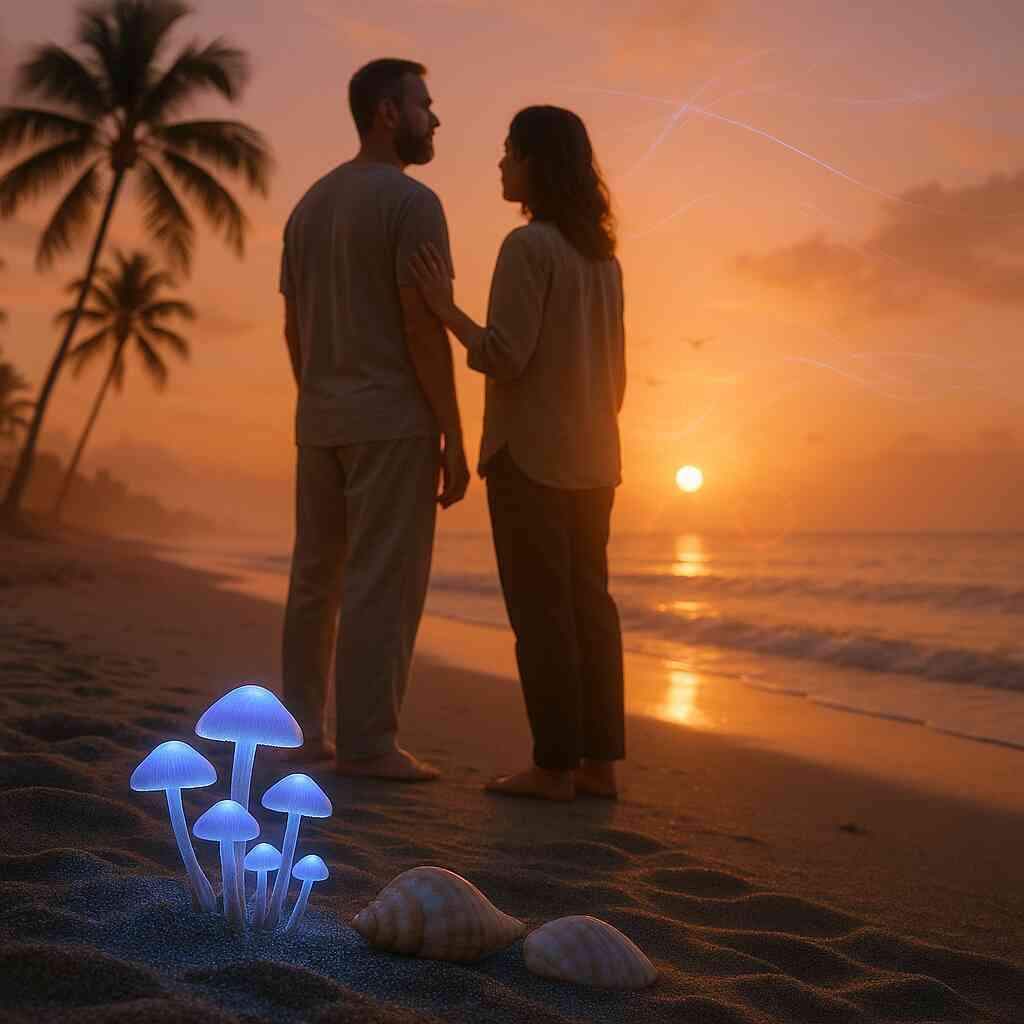
Sunny coastlines, warm breezes, and rustling palms provide an ideal backdrop for resilience-building retreats. Immersion in nature amplifies psilocybin’s capacity to dissolve rigid ego boundaries, inviting participants into awe and gratitude. Retreat itineraries include dawn beach meditations, guided snorkeling, and fire-circle storytelling to reinforce embodied presence. Each activity complements neuroplasticity through magic mushrooms, allowing insights to root in sensory memory.
Between ceremonies, guests enjoy nutrient-dense cuisine rich in omega-3 fatty acids, supporting neuronal repair. Massage, cold-water plunges, and breathwork further regulate the vagus nerve, stabilizing mood. By weaving mindful recreation with therapeutic depth, retreats transform temporary breakthroughs into durable lifestyle shifts. Many attendees report returning home with renewed energy, clearer life goals, and strengthened social bonds.
Integration coaching for psilocybin journeys sustaining emotional processing
The journey does not end when psilocybin fades; integration is where breakthroughs mature. Coaches schedule sessions within forty-eight hours to capture vivid recall before dreamlike details blur. Clients translate metaphoric visions into concrete action steps, turning mystical insights into attainable habits. Structured reflection prevents spiritual bypassing and guards against regressions into old coping styles.
Integration coaching often pairs verbal processing with expressive arts. Painting, poetry, or dance externalize somatic wisdom, allowing subconscious material to crystallize safely. Coaches also teach polyvagal exercises so clients can self-regulate when unexpected triggers emerge. Over weeks, these practices solidify emotional processing using magic mushrooms as an initial catalyst, ensuring benefits linger far beyond the therapy room.
Personalized microdosing protocols nurturing day to day stability
For some patients, large ceremonial doses feel daunting or contraindicated. Personalized microdosing protocols offer subtle yet steady support between intensive sessions. Clinicians calculate dosage based on weight, metabolism, and previous psychedelic exposure, avoiding perceptual distortion. On sub-perceptual days, clients journal mood, focus, and bodily sensations, empowering data-driven adjustments.
Microdosing enhances neuroplasticity without overwhelming the nervous system. Coupled with cognitive-behavioral exercises, it gradually weakens fear pathways while strengthening executive functioning. Clients often report uplifted mood, enhanced creativity, and diminished rumination. By nurturing day-to-day stability, microdosing keeps momentum alive, bridging the gap between peak experiences and routine living.
Navigating the legal landscape for psilocybin therapy in Florida with ethics at the helm
Florida’s regulatory environment remains dynamic, requiring diligent compliance. Psilocybin Florida collaborates with legal scholars to interpret evolving statutes, ensuring every protocol aligns with state and federal guidelines. Consent forms outline current legality, potential risks, and experimental status, fostering informed decision-making. Ethical boards review research frameworks, safeguarding vulnerable populations from exploitation.
Clinics also educate patients on safe personal practices should decriminalization expand. They stress sourcing integrity, accurate dosing, and avoiding unsupervised use when trauma histories exist. By championing transparency, providers cultivate public trust, which in turn influences policymakers toward evidence-based reform. Ethical stewardship therefore becomes both a moral imperative and a strategic pathway to broader access.
Evidence based outcome tracking for psychedelic assisted PTSD relief
Reliable data anchor credibility in any medical field. Psilocybin Florida employs standardized assessments such as CAPS-5, PCL-5, and heart-rate variability to quantify change. Baseline measurements precede every intervention, followed by checkpoints at one week, one month, and three months. This longitudinal design distinguishes transient euphoria from sustained remission, ensuring clinical psilocybin protocols for PTSD on Florida coasts remain grounded in measurable efficacy.
Digital dashboards visualize progress for both patients and providers. Graphs depicting sleep quality, startle response, and social engagement empower participants to witness their own growth. Aggregated anonymized data also feed larger studies, advancing scientific understanding of psychedelic-assisted PTSD relief. In this feedback loop, every healed individual becomes a data point reinforcing future hope.
Toward a Flourishing Future of Mind Body Synergy in Psilocybin Treatment
Empowering patient agency through personalized psilocybin treatment protocols
True transformation begins when patients steer their own healing course. Psilocybin Florida therefore co-creates personalized psilocybin treatment protocols that honor individual neurobiology, history, and goals. Clinicians map genetic markers, stress hormones, and attachment patterns before suggesting any dose. With this data, a tailored psilocybin microdosing protocol in Florida can accompany periodic immersive ceremonies. Patients track mood, sleep, and cognition through encrypted apps, translating subjective shifts into concrete numbers.
Agency flourishes further during integration coaching sessions. Guides help clients refine daily rituals that maintain neuroplastic windows opened by psilocybin-assisted psychotherapy. Breathwork, gratitude journaling, and cold-water immersion reinforce new neural wiring while empowering self-regulation. Because every strategy is co-written, participants internalize ownership rather than reliance. This collaborative design elevates trauma-focused psilocybin therapy from a passive treatment to a partnership rooted in informed choice.
Expanding access via trauma informed facilitators across Miami Dade Broward and Palm Beach
Access matters as much as efficacy. Psilocybin Florida therefore trains regional teams who understand cultural nuances within each county. In vibrant Miami-Dade, bilingual facilitators welcome diverse communities, while mindful veterans lead peer circles. Up the coast, our program offers trauma-informed mushroom healing in Broward County through clinics designed with sensory-safe architecture. Further north, Palm Beach centers integrate beach walks and horticulture therapy, ensuring every locale delivers trauma care with local flavor.
Mobile facilitation units now bridge transportation gaps for rural veterans. They bring transformational mushroom medicine directly to community centers, churches, and union halls. Secure storage, medical oversight, and discreet set-up ensure professionalism mirrors that of permanent sites. Meanwhile, an interactive map of psilocybin therapy locations in Florida helps users schedule sessions without confusion. These distribution channels democratize psychedelic-assisted PTSD relief, proving geography need not dictate the quality of healing.
Catalyzing societal healing through ongoing mental health innovation with magic mushrooms
Continual research underpins the movement’s credibility. Scientists at affiliated universities publish peer-reviewed data on emerging trends in PTSD recovery using psilocybin. Findings reveal sustained amygdala regulation, enhanced social cognition, and decreased inflammatory markers. Policymakers take notice because quantitative evidence now aligns with thousands of lived success stories. This synergy between laboratory insight and community experience propels a cultural shift toward compassionate, evidence-based mushroom medicine for trauma healing.
As momentum builds, Psilocybin Florida remains committed to ethical leadership. We collaborate with public health agencies, indigenous knowledge keepers, and veteran advocacy groups to craft inclusive guidelines. Educational webinars offer answers about safe psilocybin journeys in Florida, limiting misinformation while empowering informed choices. Simultaneously, grant initiatives subsidize care for marginalized populations, ensuring economic status never blocks access. Through this multipronged strategy, magic mushroom innovation matures into a statewide model of mind-body synergy and collective resilience.
 Frequently Asked Questions
Question: How does psilocybin-assisted psychotherapy at Psilocybin Florida differ from traditional PTSD treatments?
Answer: Traditional approaches often focus on symptom management with daily medications or weekly talk therapy. Psilocybin Florida uses psilocybin-assisted psychotherapy to create a short series of high-impact sessions that open powerful windows of neuroplasticity through magic mushrooms. During those windows, our trauma-focused psilocybin therapy team guides clients through safe exposure, somatic release, and meaning-making so fear circuits can actually rewire. Most participants report faster reductions in hypervigilance and intrusive memories, along with deeper emotional reconnection, than they ever experienced with standard regimens.
Question: In the blog Unraveling Psilocybin Florida’s Complex Therapy Strategies in PTSD, you emphasize safe set and setting practices; what measures do your clinics take to ensure a truly compassionate psychedelic care model?
Answer: From the moment a client walks in, we implement evidence-based safe set and setting practices. That starts with thorough medical and psychological screening, followed by intention-setting sessions that clarify goals and establish trust. Our dosing rooms feature soft lighting, curated music, weighted blankets, and on-site medical monitoring to uphold the highest safety standards. Two trained, trauma-informed facilitators remain present throughout the journey, offering gentle reassurance or co-regulation techniques when emotions surge. Post-session, clients enter our integration lounge for hydration, nutritious snacks, and brief check-ins before 24-hour on-call support begins. These layered safeguards embody the compassionate psychedelic care models that define Psilocybin Florida.
Question: What makes your trauma-focused psilocybin therapy especially effective for Florida veteran mental health and combat-related PTSD?
Answer: Veterans face moral injury, survivor’s guilt, and entrenched fight-or-flight reflexes. Our clinical teams include veteran peers and cultural-competency-trained therapists who understand military language and values. During guided psilocybin sessions for PTSD, symbolic objects-such as unit patches or meaningful photos-can be placed nearby to anchor identity and purpose. We pair each ceremony with somatic therapies like breathwork or weighted vests that down-shift hyperarousal common in combat trauma. Afterward, group integration circles foster camaraderie that mirrors platoon cohesion, reinforcing the gains achieved in session. This multi-layered strategy consistently delivers psychedelic-assisted PTSD relief while honoring the unique resilience of Florida’s veteran community.
Question: Can you explain how neuroplasticity through magic mushrooms is tracked and strengthened during integration coaching for psilocybin journeys?
Answer: Psilocybin temporarily boosts BDNF (brain-derived neurotrophic factor) and activates 5-HT2A receptors, prompting rapid synaptic growth. We capture this neurobiological momentum by scheduling integration coaching within 48 hours of every ceremony. Clients review mind-body insights, craft action plans, and practice polyvagal exercises that stabilize the newly flexible neural pathways. Digital dashboards track sleep, mood, and heart-rate variability to give real-time feedback on progress. If additional support is needed, we might incorporate a personalized psilocybin microdosing protocol in Florida to keep plasticity gently elevated between larger sessions. This data-driven approach turns momentary breakthroughs into lasting, holistic PTSD recovery strategies.
Question: Is psilocybin therapy legal in Florida, and how does Psilocybin Florida navigate the legal landscape while offering personalized psilocybin treatment protocols?
Answer: Full recreational access is not yet legal, but psilocybin research and medical-grade programs can operate under specific federal and state exemptions, IRB approvals, and expanded-access guidelines. Psilocybin Florida collaborates with legal scholars, ethics boards, and regulatory agencies to ensure all protocols comply with current statutes. Every client receives transparent informed-consent documents that outline the legal status, potential risks, and confidentiality standards. Our commitment to ethical stewardship doesn’t stop there-we also advocate for evidence-based policy reform, contribute anonymized outcome data to peer-reviewed studies, and offer educational webinars on the evolving legal landscape for psilocybin therapy in Florida. This rigorous framework lets patients pursue personalized psilocybin treatment protocols with confidence and peace of mind.