The Difference Between Magic Mushrooms and Psilocybin Therapy
Opening the Door From Folklore to FDA Breakthroughs
Why the Florida conversation matters for magic mushrooms vs psilocybin therapy
Florida sits at the crossroads of culture, medicine, and ecological diversity. The state’s subtropical climate nurtures many psilocybe species, fueling folklore around magic mushroom experiences. Simultaneously, research universities in Florida contribute to groundbreaking psilocybin trials and regulatory conversations. This overlap makes comparing magic mushrooms vs psilocybin therapy especially relevant for residents seeking mental health solutions. Understanding the difference can mean choosing safety, legality, and evidence over uncertainty.
Recreational mushroom use often happens blindly, with little knowledge of dosage or species. Psilocybin treatment in clinical settings follows strict protocols, preserving patient safety. Legislators and health boards watch this distinction closely as they craft future state policies. Floridians, therefore, benefit from clear guidance that simplifies jargon and honors lived experience. This article begins by framing that vital conversation.
From backyard foraging to clinically supervised magic mushroom use
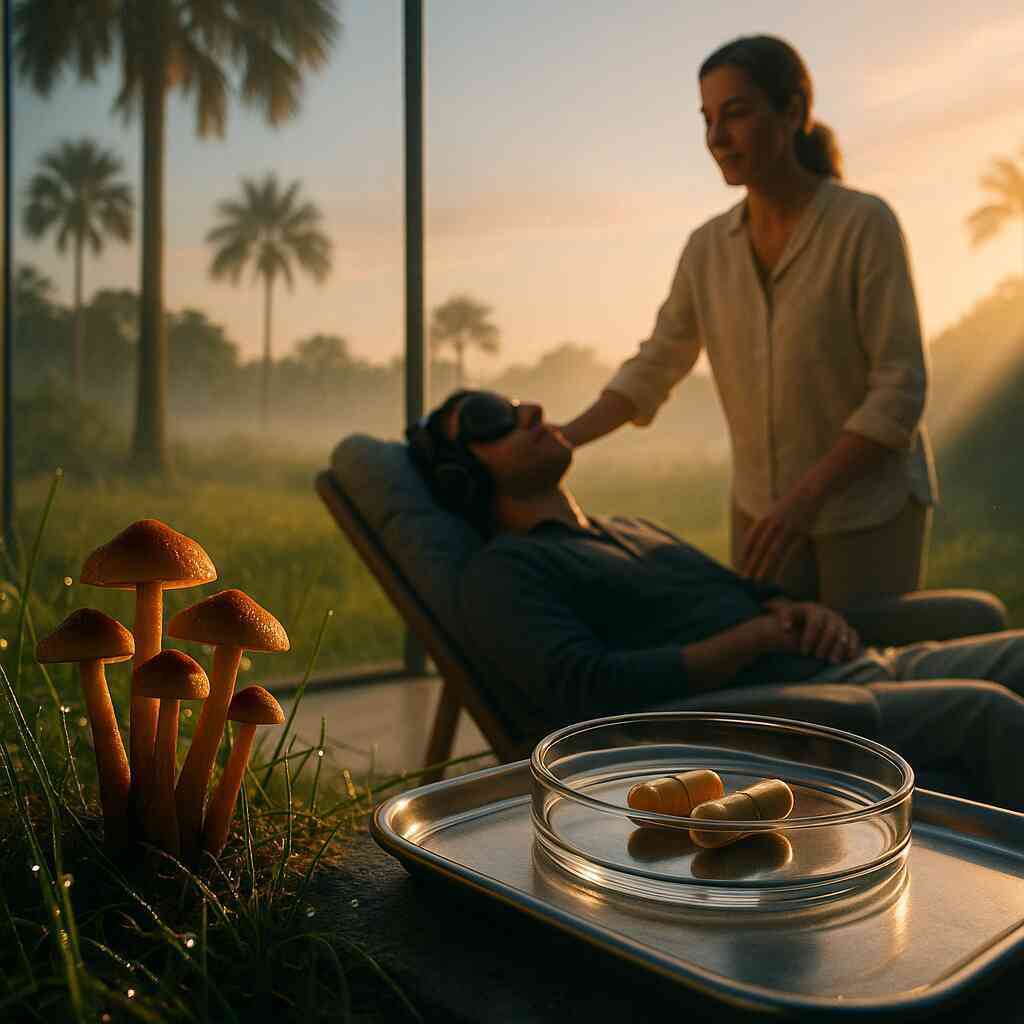
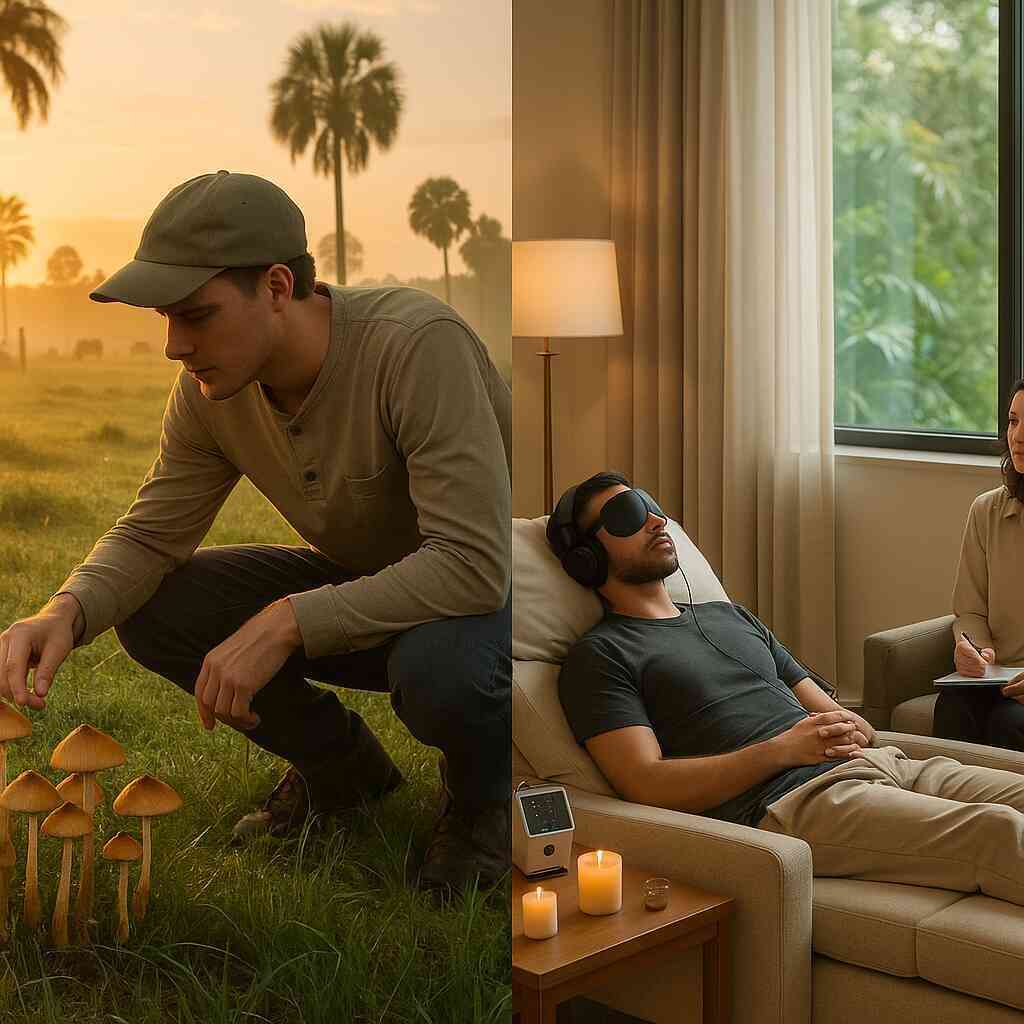
Many Floridians grew up hearing that potent mushrooms sprout after warm summer storms. Backyard foragers may identify psilocybe cubensis with varying success and significant risk. Potency swings wildly between caps, even within the same patch, complicating safe intake. In contrast, clinical psilocybin programs in Florida administer pharmaceutical-grade capsules measured to the milligram. Professional oversight transforms a gamble into a predictable therapeutic psilocybin dosing experience.
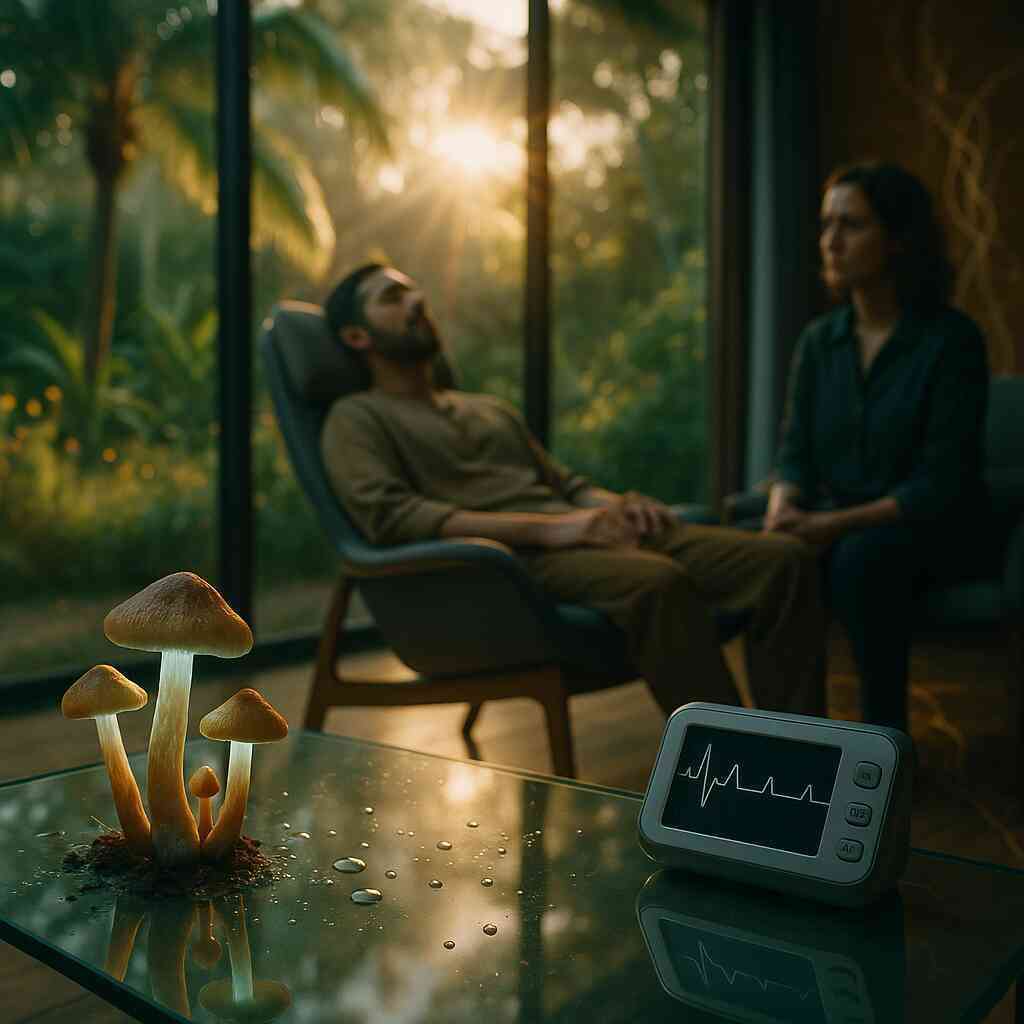
Screening is the first safeguard inside a clinic. Patients undergo medical history reviews, psychological assessments, and informed consent discussions. Trained facilitators then guide the session in a calming room designed to reduce anxiety. Heart rate, blood pressure, and emotional state are monitored throughout the experience. Afterward, integration specialists help translate insights into lasting behavioral change.
The rising tide of psychedelic integration counseling and mental health demand
Nationwide mental health statistics reveal escalating rates of depression, anxiety, and PTSD. Traditional pharmaceuticals leave many individuals with lingering symptoms or intolerable side effects. Consequently, demand for evidence-based psilocybin therapy in Florida has surged. Psychedelic integration counseling bridges the gap between medicine and meaningful life application. Counselors use mindfulness, cognitive techniques, and community resources to reinforce neuroplastic shifts.
Community interest groups now host monthly circles discussing safe psilocybin administration and harm reduction. These gatherings normalize conversation, reduce stigma, and connect newcomers with reputable providers. Mental health clinicians also pursue certification to deliver psilocybin-assisted psychotherapy legally once approved. Their preparation positions Florida to adopt breakthrough treatments quickly when federal scheduling changes. As preparation grows, so does hope for accessible magic mushrooms for mental health in structured care.
Molecules Minds and Methodologies: Comparing Magic Mushroom Journeys to Psilocybin Assisted Psychotherapy
Chemistry quirks and mushroom potency variations in psilocybe cubensis
Psilocybe cubensis captivates researchers because its alkaloid profile never sits still. Two mushrooms from the same cow pasture can carry dramatically different psilocybin concentrations, making dose prediction difficult. This volatility explains many adverse stories that circulate when people compare magic mushrooms vs psilocybin therapy without nuance. Laboratory tests reveal additional compounds-baeocystin, norpsilocin, and aeruginascin-that subtly influence the psychoactive fingerprint. Because recreational users rarely assay their harvest, they gamble with unknown pharmacology every time they consume.
Environmental stressors magnify these chemistry quirks. Temperature swings, ultraviolet exposure, and substrate nutrients each alter alkaloid synthesis inside the growing cap. Even drying conditions can convert psilocybin into psilocin before ingestion, shifting onset timing and subjective intensity. Clinicians mitigate such variability by using pharmaceutical-grade crystalline psilocybin rather than whole fruiting bodies. Standardization turns an unpredictable forage into repeatable therapeutic psilocybin dosing, bolstering safety and scientific confidence.
Set and setting recreation versus therapeutic psilocybin dosing
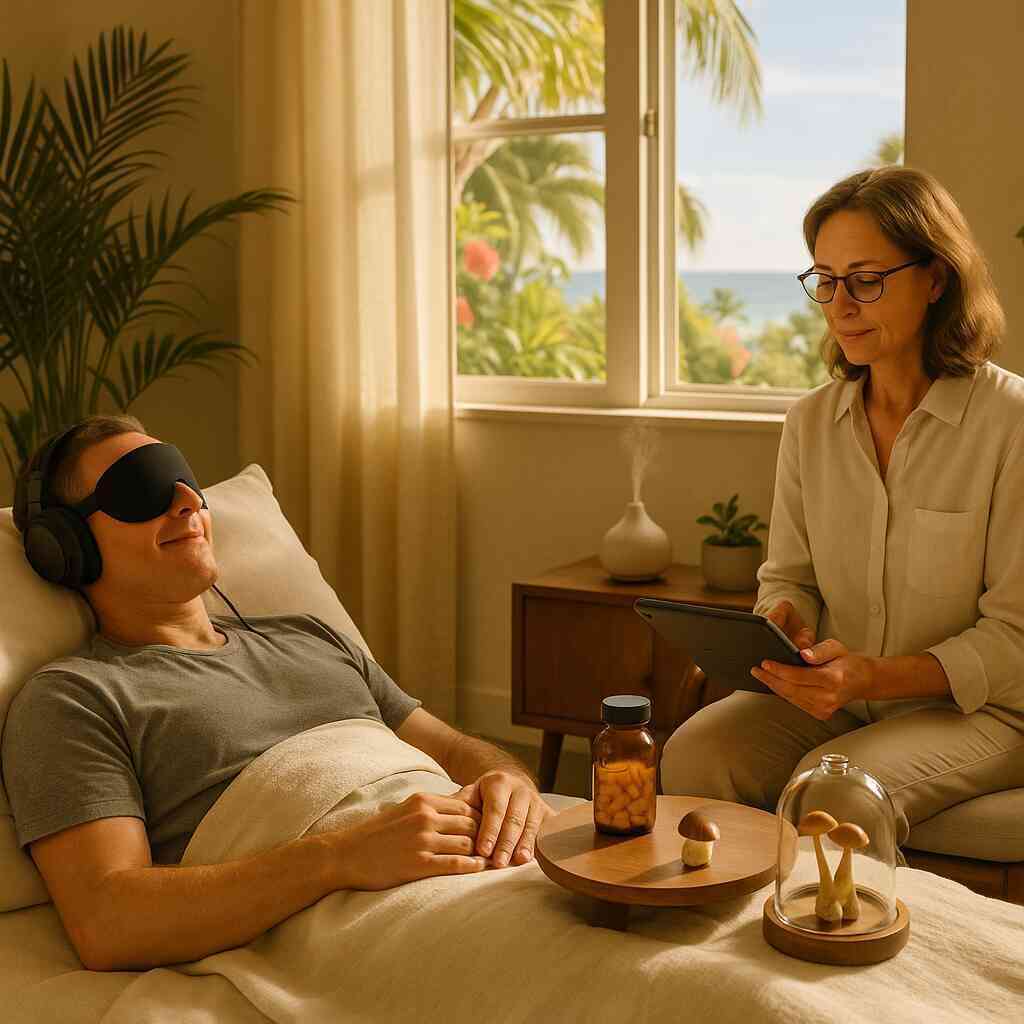
The phrase “set and setting” entered psychedelic vocabulary decades ago, yet it remains central today. Recreational users often gather at loud festivals or dim house parties where emotional unpredictability reigns. In those contexts, a magic mushroom experience can spiral quickly if difficult memories surface. By contrast, psilocybin-assisted psychotherapy designs the environment with intention. Patients enter a softly lit room, recline on a couch, and listen to carefully curated music that guides introspection.
Mindset also diverges sharply. A clinician helps participants establish therapeutic goals, fostering curiosity instead of escapism. Grounding practices-breathwork, body scans, and affirmation-prepare the psyche for intense sensory shifts. This scaffolding reduces anxiety and boosts neuroplastic learning. The difference between recreational and therapeutic psilocybin rests less on molecules than on preparation, presence, and post-session integration.
Clinical psilocybin sessions and treatment protocols in Florida
Clinical psilocybin sessions begin weeks before the first capsule ever touches a tongue. Medical staff review cardiovascular history, psychiatric diagnoses, and potential medication interactions to craft individualized psilocybin treatment protocols in Florida. During a dosing day, two trained facilitators remain present, offering subtle reassurance without steering the participant’s internal narrative. Vital signs are monitored discreetly to catch rare physiological anomalies early.
Protocols include follow-up integration meetings that translate revelations into actionable change. These sessions employ cognitive reframing, values assessment, and mindfulness techniques to solidify new neural pathways. Data collected from Miami to Palm Beach demonstrate high adherence and minimal adverse events when protocols are followed. Such structure transforms clinical psilocybin sessions into reliable components of broader mental health programs.
Safe psilocybin administration and risk mitigation strategies
Safety begins with sourcing. Clinics rely on GMP-certified suppliers that deliver psilocybin with purity exceeding analytic benchmarks. Dosing ceilings account for body weight, metabolic factors, and prior psychedelic exposure, preventing over-stimulation of serotonin receptors. Emergency medications and grounding tools remain on hand, though they are seldom needed. Continuous psychological support prevents panic from escalating into trauma.
Risk mitigation extends beyond the dosing room. Patients receive guidelines about nutrition, sleep hygiene, and substance avoidance to stabilize mood both before and after the session. Friends or family members may join a preparation meeting so they can provide informed support at home. Transparent communication and evidence-based protocols keep therapeutic psilocybin dosing safer than many outpatient procedures.
Psilocybin induced neuroplasticity and evidence based outcomes for depression and PTSD
Functional MRI studies show psilocybin quieting the brain’s default mode network, allowing new connectivity to flourish. This neuroplastic window lasts days, sometimes weeks, offering a prime opportunity to rewrite maladaptive patterns. Clinical trials report rapid mood improvement and sustained symptom reduction in major depressive disorder. Florida patients echo those findings, noting sharper emotional clarity and renewed purpose.
For trauma survivors, psilocybin disrupts entrenched fear circuits, fostering compassionate self-reflection rather than avoidance. Integration therapy then reinforces adaptive narratives, turning insights into everyday resilience. Recent statewide audits link psilocybin healing pathways for PTSD in Florida to higher remission rates than conventional pharmacotherapy. The mounting data strengthen calls for broader access under controlled conditions.
Legal landscape and ethical psilocybin practice in the Sunshine State
Psilocybin remains federally scheduled, yet Florida legislators are evaluating research exemptions and pilot programs. Clinics navigate this evolving terrain through rigorous compliance, institutional review board oversight, and transparent patient education. Ethical practice also demands informed consent that covers both known benefits and potential side effects, such as transient anxiety or blood pressure spikes.
Clinicians follow guidelines from professional organizations that outline competencies for psychedelic facilitation, crisis intervention, and cultural humility. By embedding these standards, practitioners demonstrate trustworthiness to regulators and the public. Ethical operations today position Florida for seamless integration if federal scheduling changes tomorrow.
Psychedelic harm reduction and integration support groups for lasting change
Healing seldom happens in isolation, so community matters. Psychedelic integration counseling groups meet across the state, offering peer dialogue and therapist guidance after clinical psilocybin sessions. Participants share strategies for sustaining behavioral shifts, from journaling routines to nature immersion. Such spaces normalize vulnerable reflections and reduce post-session loneliness.
Many groups weave in mindfulness training, somatic exercises, and creative expression, reinforcing insights through multiple sensory pathways. Access is expanding through telehealth, ensuring residents in rural counties can benefit. For individuals seeking deeper knowledge, the evidence backed psilocybin therapy for depression resource offers expert articles and curated research summaries. Together, harm reduction practices and integration networks transform singular experiences into durable mental health evolution.
Choosing Your Compass Navigating Toward Healing with Psilocybin Treatment Florida
Our holistic psilocybin approach from Miami Dade to Palm Beach
Floridians live in diverse communities, yet mental health struggles cross every demographic. We therefore built a statewide network that honors cultural nuance while maintaining unified psilocybin treatment protocols in Florida. In Miami-Dade, bilingual clinicians weave family-centric values into sessions; in Palm Beach, retirees find age-specific guidance for therapeutic psilocybin dosing. Each location follows the same rigorous screening, dosage calibration, and psychedelic integration counseling process, ensuring consistent safety whether you drive five minutes or five hours.
While geography changes, our commitment to ethical psilocybin practice never wavers. Licensed therapists collaborate with medical directors to track outcomes, adapt to emergent evidence, and refine set and setting for psilocybin therapy. This coordinated oversight protects patients from hidden mushroom potency variations and reinforces trust. Consequently, individuals seeking relief from depression or PTSD receive uniform quality without sacrificing personal cultural identity.
Residents midway between these hubs often ask where to begin. We proudly highlight our psilocybin therapy options in Broward County as a central access point. The Broward clinic houses multilingual staff, private integration suites, and community education events that dispel psilocybin therapy misconceptions. Its location bridges the gap for commuters while upholding the same safety benchmarks found statewide.
Preparing mind and body for guided psychedelic therapy sessions
Preparation separates a transformational psilocybin-assisted psychotherapy session from a risky magic mushroom experience. We start with extensive medical and psychological evaluations, screening for contraindications such as certain cardiac conditions or unstable bipolar disorder. Patients then engage in mindset-shaping exercises that convert anxiety into curiosity, fostering a productive therapeutic alliance. Nutrition plans, sleep hygiene, and gentle movement routines optimize neuroplasticity, amplifying psilocybin-induced network flexibility.
Equally important, we educate families and chosen supporters about safe psilocybin administration and post-session care. Clear communication reduces external stressors that might derail integration. Our facilitators explain expected sensations, including transient alterations in visual perception and emotional intensity. When participants understand these effects, fear diminishes, and therapeutic purpose rises. This groundwork ensures that clinical psilocybin sessions unfold smoothly, enabling deeper engagement with subconscious material.
Finally, we address logistics that many overlook. Patients arrange reliable transportation and digital detox plans to maintain focus on healing. We provide grounding toolkits-breathwork scripts, sensory objects, and reflection prompts-to support autonomy if challenging memories surface during the journey. These tangible resources, combined with continuous facilitator presence, uphold psilocybin risk mitigation best practices from start to finish.
Psilocybin microdosing benefits and limitations for mental health
Microdosing intrigues many because it promises subtle mood shifts without dramatic perceptual changes. Our clinicians acknowledge the potential: small, sub-perceptual doses may enhance motivation, reduce rumination, and support ongoing psychotherapy between full sessions. Anecdotal reports and emerging trials suggest improvements in focus and creativity, aligning with goals of occupational performance and relational harmony. However, we remind clients that rigorous data remains in early stages compared to macro-dose psilocybin therapy outcomes.
Moreover, microdosing cannot replace deep-dive clinical psilocybin sessions when addressing entrenched trauma or severe depression. Neuroimaging studies show that therapeutic breakthroughs often require the temporary dissolution of rigid default mode patterns, a state unlikely to be reached with minimal dosing. Safety considerations also persist; even tiny amounts interact with SSRIs or other medications. Therefore, we provide structured monitoring, informed consent, and educational resources, including future-oriented microdosing guidance in Florida for 2025 adaptations, while emphasizing honest discussion about realistic expectations.
Next steps to begin psilocybin treatment for depression anxiety and addiction
When you feel ready to transition from research to action, our enrollment process keeps momentum while preserving autonomy. Start by completing an online intake that explores medical history, therapeutic goals, and past psychedelic exposure. Within days, a coordinator schedules a video consultation to clarify psilocybin legality in Florida, discuss insurance or financing, and match you with an ideal facilitator. Transparent conversations remove surprise costs and demystify clinical procedures.
Subsequently, you will receive a personalized preparation packet outlining dietary recommendations, journaling prompts, and mindfulness exercises. Whether your focus is psilocybin treatment for depression, protocols for psilocybin-assisted anxiety relief, or addiction recovery with supervised psilocybin dosing, each plan aligns with your diagnosis and lifestyle. Signed consent leads to scheduling your guided psychedelic therapy sessions in one of our serene centers.
After dosing, integration meetings convert insight into lasting behavioral change. Participants might join local psilocybin integration support groups or engage in telehealth follow-ups to accommodate busy schedules. Data-driven assessments track symptom improvements at multiple intervals, strengthening our evidence-based psilocybin research archive. If further support is required, we coordinate complementary modalities such as alternative neuromodulation TMS options in Florida or mindfulness-based relapse prevention.
Ultimately, Psilocybin Treatment Florida serves as both compass and companion, steering you toward renewed mental wellness. Our holistic psilocybin approach, meticulous preparation, and transparent pathways empower you to reclaim agency over your mind, rewrite maladaptive narratives, and cultivate enduring resilience.
 Frequently Asked Questions
Question: What is the key difference between a recreational magic mushroom experience and the therapeutic psilocybin dosing you provide in your clinical psilocybin sessions?
Answer: The difference centers on safety, standardization, and intent. A recreational magic mushroom experience usually involves unmeasured mushroom potency variations, unpredictable set and setting, and little follow-up support. At Psilocybin Florida, every dose of psilocybin is pharmaceutical-grade, measured to the milligram, and delivered in a calming, medically supervised environment. Our psilocybin-assisted psychotherapy model pairs each therapeutic psilocybin dosing day with extensive preparation and integration, transforming curiosity about magic mushrooms for mental health into an evidence-based path toward lasting change.
Question: How does the blog title The Difference Between Magic Mushrooms and Psilocybin Therapy reflect Psilocybin Florida’s holistic psilocybin approach?
Answer: The article highlights exactly why our holistic psilocybin approach matters to Floridians. We bridge folklore and science by replacing guesswork with clinical psilocybin sessions that follow strict psilocybin treatment protocols in Florida. Everything-from comprehensive screening to guided psychedelic therapy sessions-demonstrates that when you choose Psilocybin Florida you move beyond magic mushrooms vs psilocybin therapy debates and step into a program rooted in safe psilocybin administration, ethical practice, and measurable outcomes.
Question: Is psilocybin therapy legal in Florida, and what safeguards do you use to ensure compliance and patient safety?
Answer: Psilocybin remains federally Schedule I, yet research and compassionate-use pathways allow carefully regulated clinical studies. Psilocybin Florida operates under IRB-approved protocols and partners with GMP-certified suppliers, ensuring every session meets the highest ethical psilocybin practice standards. Continuous vital-sign monitoring, on-site medical staff, informed consent, and emergency medications are core to our psilocybin risk mitigation strategy, making our clinically supervised magic mushroom use safer than many outpatient procedures.
Question: Can psilocybin microdosing benefits support me between full psilocybin treatment for depression sessions?
Answer: Yes, when properly monitored. Sub-perceptual microdoses may boost mood, creativity, and focus, helping maintain progress between macro-dose psilocybin therapy outcomes. Our clinicians provide structured schedules, drug-interaction reviews, and ongoing assessments to ensure microdosing in Florida aligns with your broader psilocybin treatment plan. While promising, microdosing is a complement-not a replacement-for the deep neuroplastic shifts produced during full psilocybin-assisted psychotherapy.
Question: What post-session support and integration resources do you offer to turn insights into lasting results?
Answer: Healing extends well past the dosing day. Psilocybin Florida hosts psychedelic integration counseling sessions and statewide psilocybin integration support groups-both in-person and via telehealth. We teach mindfulness, somatic grounding, and cognitive reframing techniques to solidify psilocybin-induced neuroplasticity. This community-based, evidence-backed approach ensures that therapeutic breakthroughs evolve into sustainable lifestyle changes, reducing relapse risk and maximizing psilocybin therapy outcomes.