Why a psilocybin session can feel safe for one person and risky for another
Depression that keeps coming back can leave you exhausted and skeptical. Psilocybin therapy can feel hopeful, but the right fit depends on careful screening. That is where psilocybin safety screening questions matter most. They separate thoughtful psilocybin treatment from guesswork, and they help protect your mental health before any guided psilocybin sessions begin.
If you are reading this late at night, worried that nothing has worked, that feeling makes sense. Many people in Florida reach this point after months or years of trying standard care. The hard part is not wanting help. The hard part is knowing which help is safe for your situation. Johns Hopkins and Imperial College London have both published influential psilocybin research, but research settings are not the same as everyday care.
The seven screening questions that separate preparation from guesswork
The best psilocybin-assisted therapy assessment starts with seven plain questions. First, what are you treating: depression, anxiety, PTSD, addiction, or something else? Second, have you ever had psychosis, mania, or a bipolar episode? Third, what medications and supplements are you taking right now? Fourth, have you used psychedelics before, and how did you respond? Fifth, do you have reliable support for psilocybin aftercare? Sixth, can you follow psilocybin preparation guidance? Seventh, do you have a stable place and time for psilocybin set and setting?
Here is the part most people miss. These questions are not about judgment. They are about risk. A person seeking psilocybin for depression may be a better candidate than someone with untreated bipolar disorder, even if both feel desperate for relief. Screening is the difference between a hopeful plan and a dangerous experiment. If you want a closer look at how this works, the psilocybin safety screening questions in Florida resource explains the process in plain language.
What a psilocybin therapy consultation is actually looking for before guided psilocybin sessions
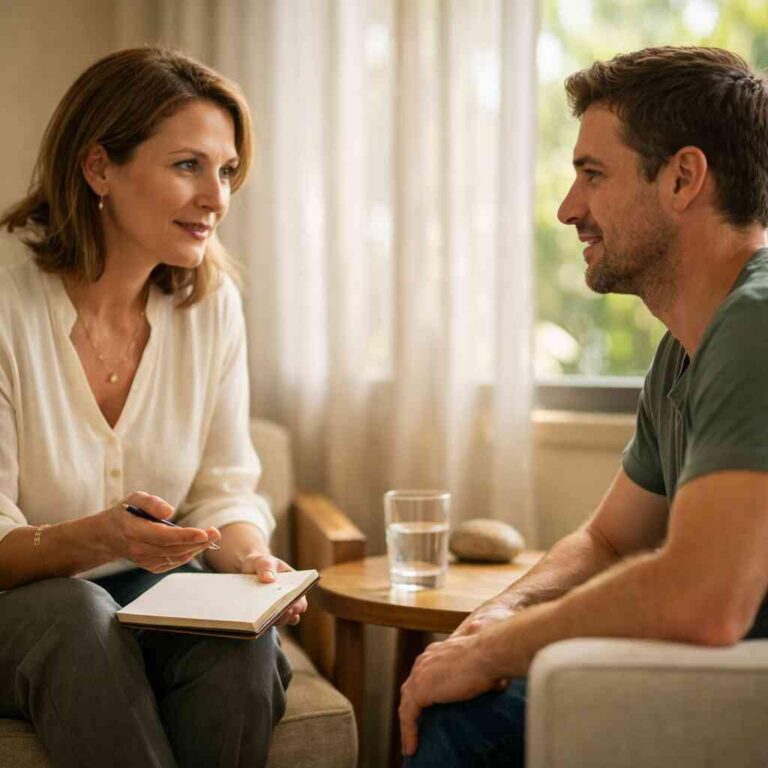
A real psilocybin treatment consultation is not just an intake form. It is a clinical conversation about readiness, risk, and fit. Providers look for trauma history, current stress load, medication interactions, and your ability to tolerate intense internal experiences. They also assess whether psilocybin therapy eligibility changes based on sleep, substance use, or unstable housing.
One client in South Florida came in convinced psilocybin microdosing would solve everything quickly. During screening, it became clear that a recent medication change mattered more than the dosing idea. That changed the plan completely. We paused, reviewed the medication picture, and focused on safer options first. That is what good screening does. It protects momentum without pretending every path is the right one.
If you are comparing clinics in Orlando, Miami, Tampa, or Jacksonville, ask what their consultation actually covers. A solid psilocybin therapy consultation for guided sessions should explore mental health history, current supports, and expectations. You can also review what a psilocybin treatment consultation for guided sessions should include. The goal is not to impress you. The goal is to keep you safe.
Why psilocybin set and setting matter before anyone thinks about microdosing or macrodosing
People often focus on psilocybin macrodosing or psilocybin microdosing before they understand context. That is backward. The environment, support, and emotional readiness can shape the experience as much as the compound itself. In psilocybin research, set and setting are not side notes. They are core safety variables.
Psilocybin set and setting means your mindset and your surroundings. It includes who is in the room, how quiet the space is, and whether you feel emotionally steady. It also includes whether you can ask for help if fear rises. That is why magic mushroom therapy screening should always happen before any dosage conversation. If you want practical guidance, the psilocybin set and setting preparation in Florida article is a useful companion.
Florida weather adds its own wrinkle. Afternoon storms, traffic on I-95, and long cross-town drives can make timing harder than people expect. We have seen this most clearly around Miami, Orlando, and Tampa, where logistics can quietly affect emotional readiness. Good care plans account for that. They do not ignore it.
The medical and mental health clues that change psilocybin therapy eligibility
The most useful mental health screening for psilocybin starts with honesty. Depression is not all the same. Anxiety is not all the same. PTSD is not all the same. And psilocybin screening contraindications are not random rules. They exist because certain conditions change how your brain may respond to a psychedelic experience.
Which diagnoses may call for extra caution in psilocybin for depression, psilocybin for anxiety, and psilocybin for PTSD
People search for psilocybin for treatment-resistant depression because they feel stuck. Others look into psilocybin for generalized anxiety disorder, psilocybin for social anxiety, or psilocybin for existential anxiety after years of fear and rumination. Some want psilocybin for PTSD after trauma that still feels close. These are real needs. They also require careful sorting before treatment.
The challenge is that symptoms can overlap. Anxiety may sit on top of depression. Trauma may sit under addiction. OCD may intensify during uncertainty. A provider should ask what is primary, what is secondary, and what has been stable. That is especially important if you are exploring psilocybin therapy for depression in Florida, psilocybin treatment for anxiety disorder in Florida, or psilocybin treatment for PTSD in Florida.
How a history of psychosis, bipolar disorder, or mania can shift psilocybin screening contraindications
A history of psychosis changes the conversation immediately. So can bipolar disorder, mania, or a strong family history of either. Psilocybin can intensify perception and thought. For some people, that is part of the therapeutic effect. For others, it can destabilize reality testing. That is why psilocybin screening contraindications must be taken seriously.
In 2026 specifically, the mistake we see most often is self-screening. People read a hopeful story and assume their diagnosis does not matter. It does matter. If you have ever had hallucinations, delusional thinking, or a manic episode, the provider should slow down and reassess. A careful team may suggest another path, such as stabilization, referral, or a different treatment model. That is not rejection. It is responsible care.
Why psilocybin and SSRIs, antipsychotics, stimulants, and other medication interactions need a real review
Medication review is not optional. Psilocybin and SSRIs can interact in complex ways, and the same caution applies to antipsychotics, stimulants, benzodiazepines, and some blood pressure medicines. Some drugs may blunt the psychedelic effect. Others may increase risk or create confusing side effects. A real review needs more than a checkbox.
If you are considering psilocybin and medication interactions, bring the exact names and doses of everything you take. That includes sleep aids, supplements, and as-needed prescriptions. The best providers will also discuss tapering only when clinically appropriate and supervised. For a deeper review, see the psilocybin and medication interactions with SSRIs guide. We also see this review shape decisions about psilocybin for OCD, psilocybin for alcoholism, psilocybin for smoking cessation, and psilocybin for addiction, because substance use often sits alongside medication issues.
The questions Florida providers should ask about legality, access, and readiness
Florida adds another layer. A good clinic must understand the difference between curiosity, clinical research, and legal access. People searching for legal psilocybin Florida usually want clear answers, not hype. That is fair. It is also where honesty matters most.
What Florida psilocybin laws and legal psilocybin Florida really mean for treatment planning
Florida psilocybin laws are still a moving target for many readers, and that uncertainty should not be glossed over. Providers must verify current legal status before offering any service that involves psilocybin itself. The phrase legal psilocybin Florida should never be used casually. It must be tied to current regulations, approved pathways, and documented access rules. Florida’s Right to Try framework and broader state policy conversations have influenced public interest, but they do not erase the need for legal review. If a clinic talks confidently without citing the actual pathway, be cautious. For a more specific overview, read Florida psilocybin laws and legal treatment access. That conversation should also include whether the service is about referral, education, integration, or research support rather than direct administration. ### How location shapes access to psilocybin therapy Florida in Miami, Orlando, Tampa, and Jacksonville 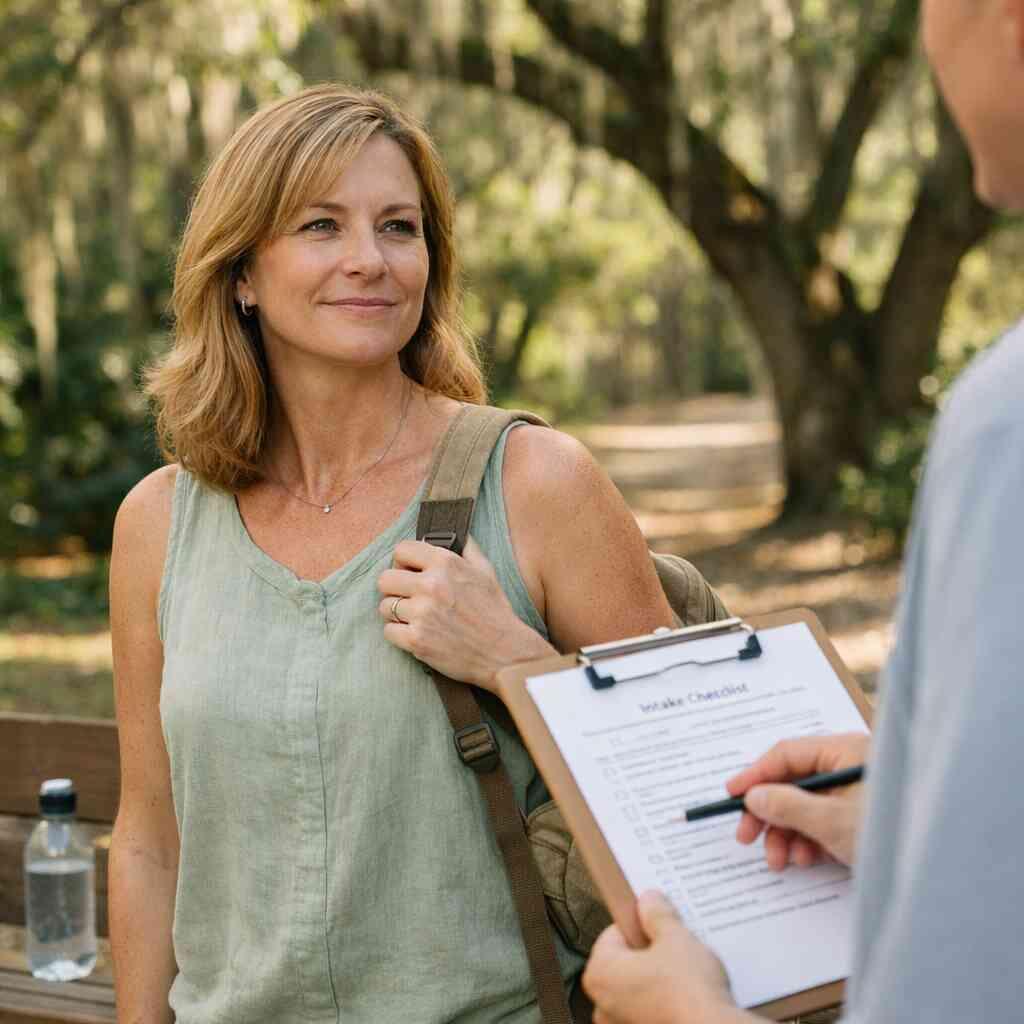
Access looks different in Miami than it does in Jacksonville. It can also look different in Orlando, Tampa, Sarasota, Naples, Boca Raton, Fort Lauderdale, and West Palm Beach. Geography affects referral options, transportation, privacy, and the ability to attend follow-up sessions. That matters more than many people expect.
If you search psilocybin therapy near me, you are often really asking, “Who can actually help me responsibly?” In South Florida, people may look for psilocybin therapy in Miami-Dade County, Florida or psilocybin therapy in Broward County, Florida. Others may ask about psilocybin clinic Tampa or psilocybin therapist Jacksonville. Location should shape planning, not pressure. A provider should be able to explain local access without pretending every city has the same infrastructure.
When psilocybin clinical trials Florida or a referral pathway makes more sense than off-the-shelf treatment
Sometimes the best answer is not immediate treatment. Sometimes it is a clinical trial, a referral, or a period of stabilization. That is especially true when the diagnosis is complex or the medication picture is unstable. Psilocybin clinical trials Florida may offer a more structured route for some people than private, off-the-shelf care.
This is where FDA breakthrough therapy psilocybin matters as context, not a guarantee. Research signals promise, but it does not replace careful triage. Johns Hopkins psilocybin research has helped shape the field, yet those protocols are still highly controlled. If you are weighing a trial against a clinic visit, ask which setting matches your needs better. Some people do better in research. Some need a referral first.
What cost of psilocybin therapy, insurance psilocybin, and psilocybin therapy near me searches should tell you about next steps
Money questions are practical, and they deserve a straight answer. Cost of psilocybin therapy can vary by service model, support level, and whether the service is educational, preparatory, or integrated with other care. Insurance psilocybin coverage is still limited and depends on the exact service and payer rules. Do not assume. Ask.
Here is a simple comparison to guide your questions:
TopicWhat to askWhy it mattersCostWhat is included?Avoids surprise feesInsuranceIs any part covered?Clarifies out-of-pocket costsLocationCan you attend follow-up?Supports safer careReadinessWhat screening is required?Prevents poor-fit treatmentIf you are comparing options, the psilocybin therapy cost and insurance options in Florida page can help frame the conversation. The best next move is usually simple. Call, ask direct questions, and see whether the answers feel grounded.
What happens after the screening answers are in and the care plan starts moving
Once the screening is complete, the work changes shape. The questions stop being abstract. They become a plan. That plan may involve preparation, referral, integration support, or a different clinical pathway entirely. Good care feels clear, not rushed.
How psilocybin preparation changes based on screening findings and treatment goals
Psilocybin preparation is never one-size-fits-all. If anxiety is high, preparation may focus on grounding and expectation management. If trauma is central, the work may emphasize pacing, trust, and triggers. If addiction is part of the picture, the plan may include relapse-risk planning and more structured support.
The strongest preparation plans often include psilocybin and meditation, psilocybin and breathwork, or psilocybin and somatic therapy when clinically appropriate. Those tools are not magic. They are ways to help your nervous system stay more stable. A good provider will explain why they are recommending each piece. If you want a deeper look, the psilocybin therapy preparation and session guidance resource is a practical place to start.
Where psilocybin integration therapy, psilocybin aftercare, and psilocybin integration support fit after the session
What happens after the session matters as much as what happens before it. Psilocybin integration therapy helps you make sense of the experience without overinterpreting it. Psilocybin aftercare can include sleep support, journaling, emotional check-ins, and structured follow-up. That is where insights become usable.
We have seen people leave a session feeling clear for the first time in years, then get overwhelmed two days later because no one helped them process it. That is exactly why psilocybin integration support should not be an afterthought. The FIML model, or Four-Phase Integration Model of Psilocybin Therapy, emphasizes meaning-making after the acute experience. MAPS-style preparation and integration principles point in the same direction. For more detail, see psilocybin integration therapy and aftercare support.
When to ask about psilocybin-assisted therapy, psilocybin holistic therapy, or psilocybin rehab for conditions like addiction and alcoholism
Some people need a broad support model, not just a session. That is where psilocybin-assisted therapy, psilocybin holistic therapy, or even psilocybin rehab language may come into the conversation. This is especially true for psilocybin for addiction and psilocybin for alcoholism, where relapse risk, shame, and environment all affect outcomes. The same logic can apply to psilocybin for veterans, psilocybin for first responders, and psilocybin for trauma survivors, because the surrounding support system is part of the treatment.
One client in Central Florida had long-term alcohol misuse and high work stress. The screening showed that the bigger issue was not just craving. It was isolation after work. The plan shifted toward support, structure, and integration before any deeper work was considered. That was the safer move. If this sounds familiar, psilocybin treatment for addiction in Florida may help you think more clearly about options.
The clearest next move if you are considering a psilocybin treatment consultation in Florida right now
If you are still deciding, keep it simple. Gather your medications. Write down your diagnoses. Note any history of mania, psychosis, or severe panic. Then ask for a real screening conversation. That is far better than guessing based on a headline, a forum post, or a friend’s story.
You can also review condition-specific information on psilocybin treatment for OCD in Florida if obsessions are part of your picture. If your search started with “psilocybin therapy near me” in Miami, Orlando, Tampa, or Jacksonville, use that search to compare who asks the hard questions. The right clinic will not rush you. It will help you decide with a steadier mind, and that is what good care should do.
Frequently Asked Questions
What are the main psilocybin safety screening questions?
They usually cover diagnosis, medication use, prior psychosis or mania, substance use, support systems, and the ability to prepare safely. Good screening also checks whether your goals match the treatment model.
Can psilocybin help with depression or anxiety?
Research from Johns Hopkins and Imperial College London suggests psilocybin may help some people with depression and anxiety in controlled settings. That does not mean it is right for everyone, and it does not replace screening.
Is psilocybin safe if I take an SSRI?
Not automatically. Psilocybin and SSRIs can interact in ways that affect response and safety. A qualified clinician should review all medication details before any plan is made.
Does Florida allow psilocybin treatment?
Florida access depends on current law, clinical context, and the exact service offered. Because the legal picture can change, you should verify the current status before assuming treatment is available.
What is the difference between microdosing and macrodosing?
Psilocybin microdosing uses very small amounts, while psilocybin macrodosing refers to a full psychedelic experience. Both still require screening, especially if you have mental health or medication concerns.
What should I ask during a psilocybin therapy consultation?
Ask what the screening includes, who reviews medications, how integration works, what laws apply, and whether they offer referrals if you are not a fit. A careful answer is more valuable than a fast one.