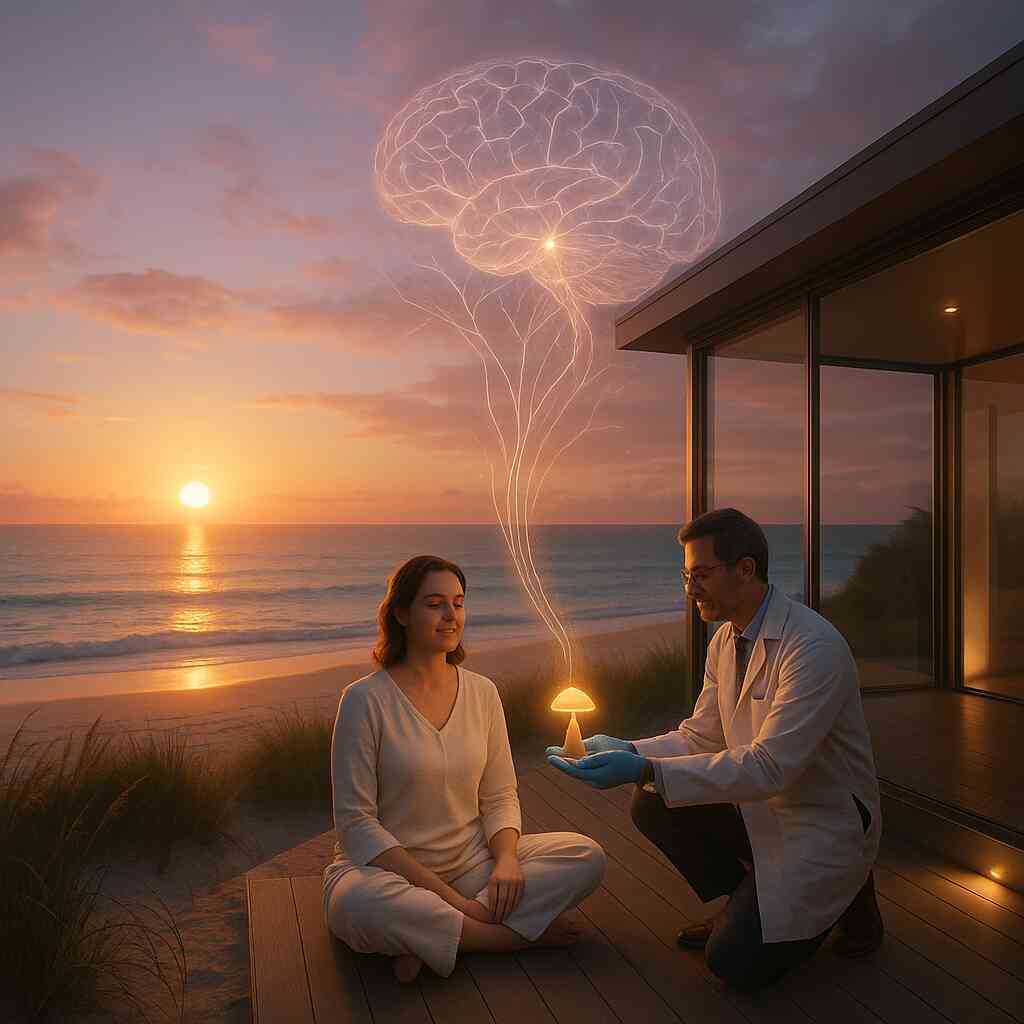
Differences Between Psilocybin Therapy and Traditional OCD Treatments
Opening the Obsessive Loop: Why Compare Psilocybin Therapy and Conventional OCD Care
Florida’s mental health crossroads and the search for breakthrough care
Florida residents face an escalating demand for effective obsessive-compulsive disorder care, yet many still cycle through medications without lasting relief. Families often juggle multiple prescriptions, side-effect management, and mounting costs, leaving them eager for a paradigm shift in treatment. Against this backdrop, specialized clinics offering psilocybin therapy in Florida for OCD have emerged as beacons of possibility. By activating novel neural pathways, magic mushrooms for mental health promise a fresh approach that prioritizes rapid insight, personal agency, and holistic healing. Comparing this innovative modality with traditional protocols helps Floridians decide whether to stay the course with standard care or pursue transformative neuroplasticity via psilocybin.
A deeper look at statewide statistics underscores why new strategies matter. Despite plentiful psychiatrists, Florida’s OCD remission rates plateau when patients depend solely on selective serotonin reuptake inhibitors. Further, wait lists for intensive behavioral programs can stretch months, prolonging needless suffering. In contrast, psilocybin treatment integrates preparation, a single-day dosing journey, and compassionate aftercare, compressing therapeutic timelines. The Sunshine State’s mental-health crossroads therefore invites an evidence-based examination of both conventional and psychedelic routes, setting the stage for an informed conversation about truly breakthrough care.
The stubborn burden of compulsions and intrusive thoughts
Obsessive thoughts latch onto the mind like relentless static, prompting compulsions that steal hours and erode relationships. Traditional SSRIs dull intensity over weeks, yet many users still battle residual doubt and ritualistic checking. Daily medication adjustments and side-effect vigilance can themselves become rituals, amplifying anxiety rather than soothing it. Patients share stories of missed promotions or strained marriages because compulsions overshadow life’s brightest moments. Such narratives highlight why fresh, emotionally resonant therapies warrant close attention.
Psilocybin therapy offers a radically different experience: a single, therapist-supported journey that often produces sudden cognitive re-ordering. During the acute state, individuals view intrusive content with unprecedented perspective, weakening the cycle’s automatic grip. Early pilot studies report dramatic drops in Yale-Brown Obsessive Compulsive Scale (Y-BOCS) scores within one week of dosing. Importantly, participants also describe lingering feelings of openness and purpose-qualities standard pharmacotherapy seldom evokes. As research grows, the stubborn burden narrative is gradually replaced with cautious optimism about durable, psychedelic-induced relief.
Public fascination with magic mushrooms for mental health
Cultural momentum around plant and fungal medicines has skyrocketed, with documentary series and bestselling memoirs spotlighting psilocybin’s potential. Unlike fleeting wellness fads, this fascination is rooted in rigorous neuroscience and transparent clinical trials. Curious Floridians routinely explore common questions on psilocybin therapy to separate hype from validated findings. They learn how therapist-guided mushroom journeys differ from recreational use, focusing on intention, dose calibration, and integration coaching. This education empowers the public to participate in policy discussions and demand safe, ethical access pathways.
Media buzz also accelerates destigmatization, inviting people who once feared psychedelics to voice hopes for relief from obsessive rumination. When they hear veterans, entrepreneurs, or parents describe life-changing sessions, the treatment gains emotional credibility. Social networks circulate inspirational before-and-after stories, sparking community interest groups across Miami, Tampa, and Jacksonville. As fascination deepens, more clinicians pursue certification, further expanding the state’s capacity for responsible magic mushroom assisted therapy. Public enthusiasm therefore serves as both catalyst and conscience, insisting that evidence keep pace with excitement.
From stigma to science – how evidence based psychedelic research gained momentum
For decades, regulatory barriers reduced psilocybin studies to a handful of small investigations, reinforcing lingering stigma. The modern renaissance began when prestigious universities secured approvals to explore the compound’s safety profile and antidepressant effects. Subsequent OCD-focused trials demonstrated marked symptom reductions after just one or two high-dose sessions, sparking calls for larger, multisite inquiries. Regulatory agencies acknowledged low abuse potential in controlled settings, opening doors for compassionate-use programs. Each peer-reviewed publication chipped away at moralistic misconceptions, reframing psilocybin as a legitimate neurotherapeutic agent.
Florida researchers quickly joined this global movement, collaborating with national consortiums to investigate state-specific protocols. Their findings confirmed high tolerability, minimal serious adverse events, and meaningful functional gains. Simultaneously, philanthropic grants funded infrastructure to train facilitators in trauma-informed, integrative psychedelic psychotherapy. The resulting data now informs state legislation debates, moving psilocybin from fringe curiosity to an evidence-anchored contender alongside cognitive-behavioral and medication-based care. In short, science reclaimed the narrative, paving a principled path from stigma to mainstream clinical application.
Neurobiology of Change: Serotonin 2A Modulation versus SSRI Saturation
Neuroplasticity via psilocybin and the rebalance of cortical networks
Psilocybin binds intensely to the brain’s serotonin 2A receptors, generating a surge of neuroplasticity via psilocybin that restores flexible communication between cortical hubs. This receptor activation temporarily loosens rigid predictive coding, giving previously trapped neural circuits space to reorganize. Researchers describe a “reset” phenomenon in which default-mode hyperconnectivity softens, allowing sensory networks to collaborate without obsessive interference. Patients often report a felt sense of mental spaciousness that persists long after metabolite clearance. These subjective shifts align with imaging studies that show strengthened cross-talk among emotion, memory, and executive regions.
During integration sessions, clinicians guide clients to rehearse healthier thought loops while the brain remains pliable, further cementing new pathways. The supportive framework offered by our about psilocybin care team in Florida maximizes this window, translating molecular change into durable behavioral gains. Continuous heart-centered coaching reinforces adaptive synaptic pruning and discourages regression into compulsive ruts. Consequently, many individuals experience marked OCD relief without daily pharmacological input. This biochemical-psychological synergy illustrates why serotonin 2A modulation has captivated neuroscientists searching for transformative therapies.
Traditional SSRI treatment comparison and receptor down-regulation limits
Selective serotonin reuptake inhibitors raise extracellular serotonin gradually, yet their chronic use triggers receptor down-regulation that dampens long-term efficacy. Patients frequently wait weeks before noticing modest relief, a timeline that can feel excruciating when intrusive thoughts dominate every waking moment. Moreover, continuous receptor flooding can blunt emotional range, leaving users feeling numbed rather than authentically calm. As tolerance develops, psychiatrists may escalate doses, compounding withdrawal risks if tapering later becomes necessary. This pharmacodynamic ceiling underscores why many seek an alternative that honors neurochemical balance.
In contrast, psilocybin delivers a single, high-impact receptor pulse followed by a rapid return to baseline, avoiding the saturation pattern characteristic of SSRIs. Studies reveal that one controlled session can drop Yale-Brown scores more than months of pill adjustments. Because receptors are not chronically pressured, homeostatic mechanisms remain intact, preserving natural mood responsiveness. Clients often value this rhythmic integrity alongside symptom reduction. When weighed side by side, traditional SSRI treatment comparison highlights the fresh possibilities unlocked through measured psychedelic engagement.
Cognitive flexibility enhancement and rapid onset anti obsessive effects
Obsessive-compulsive disorder thrives on mental rigidity; therefore, any therapy that boosts cognitive flexibility strikes at its core. Psilocybin’s transient entropy increase disrupts habitual prediction errors, granting users the capacity to reinterpret intrusive content. Many describe witnessing obsessive loops as external constructs rather than immutable truths, a revelation that immediately weakens compulsion drive. Functional MRI confirms heightened network diversity during the acute phase, correlating with quicker behavioral shifts. Remarkably, improvements often surface within hours instead of weeks.
These immediate anti-obsessive results contrast sharply with gradual behavioral desensitization protocols. A recent Florida pilot examining and comparing psilocybin approaches for OCD relief showed sustained flexibility gains at three-month follow-up. Participants credited vivid insights for powering lifestyle adjustments, such as reducing reassurance seeking and embracing uncertainty exercises with newfound confidence. Therapists leverage this momentum by assigning mindfulness practices that keep neural pathways dynamic. Consequently, psilocybin’s rapid onset not only relieves distress but also accelerates skill acquisition.
Pharmacotherapy side effect profile and quality of life trade-offs
Every medication entails compromises, yet chronic SSRIs and antipsychotics frequently introduce weight gain, sexual dysfunction, and emotional blunting that erode quality of life. Such adverse effects can amplify shame or relationship strain, inadvertently fueling obsessive spirals. Polypharmacy multiplies these burdens, as patients juggle sleep aids or stimulants to counteract primary prescriptions. Financial costs accumulate alongside physical discomfort, prompting discontinuation or non-adherence. These struggles remind clinicians that tolerability remains as crucial as efficacy.
Psilocybin’s safety profile, when administered in controlled settings, shows transient nausea or anxiety that typically resolves within the session. There is no evidence of organ toxicity or addictive potential, distinguishing it from many daily drugs. Comparative analyses, including outcomes from ketamine therapy in Florida versus psilocybin, reveal fewer lingering side effects and greater patient satisfaction after psychedelic care. Moreover, the single-session model minimizes ongoing co-pay obligations, making relief both holistic and economically sustainable. For individuals who value vitality alongside symptom control, this difference can be decisive.
Insights on psilocybin versus benzodiazepines and ketamine
Benzodiazepines quell anxiety rapidly by enhancing GABAergic inhibition, yet they carry dependency risks and can dull cognitive sharpness. Long-term use often spawns tolerance, demanding escalating doses that complicate withdrawal. Ketamine, an NMDA receptor antagonist, offers swift mood elevation but may require repeated infusions, and some users report dissociation or bladder issues. These modalities unquestionably help certain patients, yet their mechanistic focus differs from psilocybin’s integrative network recalibration.
Psilocybin activates psychedelic insight rather than mere sedation, empowering patients to confront obsessive roots instead of masking them. Its capacity to foster meaning, self-compassion, and mystical-type experiences adds psychological richness absent in benzodiazepine regimens. Clinicians sometimes combine modalities-using brief benzo support during exposure practices or ketamine as a bridge-yet evidence suggests psilocybin alone can catalyze enduring change. Emerging protocols also compare psilocybin with non-pharmacological neuromodulation like TMS treatment in Florida for OCD, underscoring the field’s commitment to personalized care. Ultimately, psilocybin’s balanced risk-benefit profile positions it as a compelling centerpiece within modern obsessive-compulsive treatment landscapes.
Clinical Playbook: Guided Psilocybin Journeys versus Exposure Response Prevention Routines
Integrative psychedelic psychotherapy and therapist supported mushroom journeys
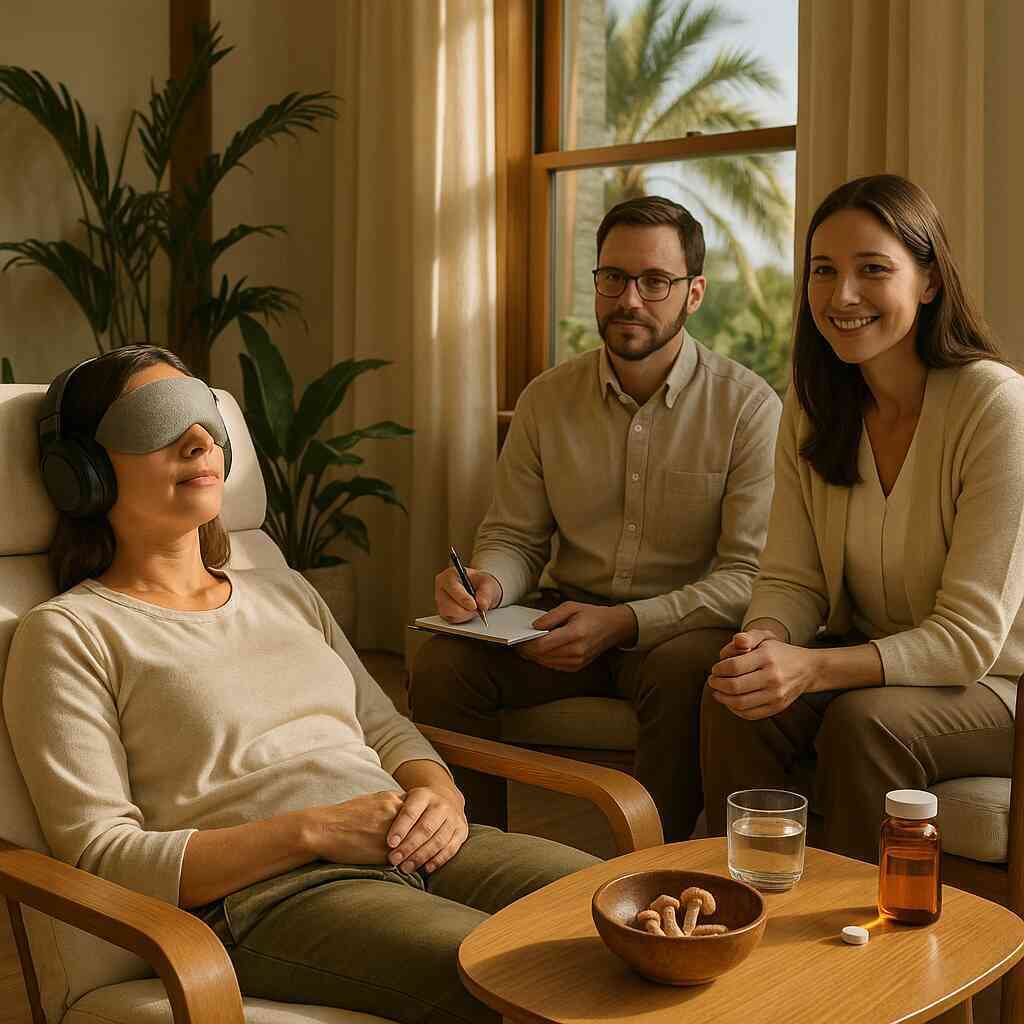
Psilocybin Florida blends evidence-based psychotherapy with ceremonial structure, creating an integrative psychedelic psychotherapy that feels both clinical and soulful. Preparation meetings establish intentions, rehearse grounding skills, and clarify expectations, which reduces pre-journey anxiety. During the dose day, two licensed therapists maintain continuous, non-directive presence, guiding breathing and music cues that support emotional release. This therapist supported a mushroom journey that allows intrusive thoughts to surface safely, then dissolve under compassionate observation. Clients consistently report a newfound capacity to witness obsession without judgment, laying groundwork for lasting change.
Aftercare sessions turn mystical insight into daily action plans, weaving cognitive behavioral tools with interpersonal coaching. Participants practice journaling, movement, and community sharing to consolidate neural rewiring sparked by the medicine. Many also join guided mushroom sessions in Miami-Dade County for group integration, deepening connection and accountability. The program therefore replaces isolation with belonging, an essential ingredient for obsessive-compulsive healing. Over time, patients recognize rumination triggers earlier and apply breathwork before compulsion sets in.
Personalized psilocybin dosing and safety protocols in Florida clinics
Every brain processes psychedelics uniquely, so clinicians begin with genomic screening, medication reviews, and psychological inventories. Based on these data, physicians select a personalized psilocybin dosing range that balances breakthrough potential with emotional tolerability. On dosing day, cardiac monitoring, emergency medications, and trauma informed staff remain on standby, though serious events are exceedingly rare. Advanced clinics also employ silent EEG headbands to study real-time neural entropy, optimizing future protocols. Such rigorous safeguards distinguish medical psychedelic care from informal experimentation.
Regional access expands as satellite centers adopt the same protocol playbook. For patients commuting north, psilocybin treatment options in Broward County mirror Miami’s safety standards, ensuring continuity of care across counties. Documentation travels securely through encrypted portals, enabling seamless therapist collaboration. Follow-up calls at three, seven, and thirty days track mood, sleep, and compulsion frequency, allowing dosage tweaks if microdosing maintenance becomes appropriate. This vigilant approach nurtures confidence, encouraging even pharmacotherapy-weary individuals to explore psychedelic relief.
Exposure response prevention limitations and dropout challenges
Traditional exposure response prevention asks patients to face feared stimuli while resisting rituals, a process that can feel punishingly intense. Although effective for many, ERP demands daily practice and often triggers temporary symptom spikes, discouraging perseverance. High dropout rates reflect the emotional toll; some studies cite nearly half of participants leaving before mastery. Limited insurance coverage for lengthy sessions compounds obstacles, especially when employers cannot accommodate repeated absences. Consequently, countless Floridians remain trapped despite polished behavioral manuals.
Psilocybin journeys offer a complementary or alternative pathway that fosters acceptance rather than forced endurance. The entheogenic state reveals obsessive content as transient mental events, reducing the perceived threat that powers compulsions. When patients later attempt ERP style exposures, distress tends to peak lower and subside faster, improving adherence. Early evidence indicates fewer sessions are required to cement behavioral change, translating into reduced costs and greater workplace flexibility. Thus, psychedelic therapy addresses both psychological and logistical ERP challenges.
Mindfulness and psychedelic synergy for cognitive reframing
Mindfulness trains attention stability, yet many beginners struggle to observe thoughts without attachment. Psilocybin amplifies interoceptive awareness and temporarily decreases default mode rigidity, making mindfulness instructions feel intuitive. During peak experience, clients notice sensations, emotions, and images flowing like weather, an embodied lesson in impermanence. Therapists later anchor this insight with simple breath practices, reinforcing cognitive flexibility enhancement outside the session room. Over weeks, obsessive loops lose automatic command as meta-awareness strengthens.
Clinicians also weave compassion based meditations into integration, deepening self-forgiveness around long-held rituals. This fusion forms a revolutionary psilocybin strategy for obsessive thoughts that targets both neural circuitry and contemplative skill. Clients celebrate measurable wins, such as reducing mirror checking from hours to minutes, which bolsters motivation. Group mindfulness circles provide social modeling, normalizing setbacks while celebrating progress. Together, psychedelic insight and meditative discipline craft a resilient inner coach.
Trauma informed psychedelic care and patient centered healing environments
Many individuals with obsessive compulsive disorder carry unprocessed trauma that intensifies intrusive themes. Psilocybin Florida trains staff in somatic experiencing and attachment theory to respond sensitively when traumatic material arises. Soft lighting, weighted blankets, and personalized playlists create a patient centered healing environment that conveys unconditional safety. The clinic’s consent model invites pause, touch requests, or session adjustments at any moment, empowering survivors to reclaim autonomy. Such attunement reduces the likelihood of re-traumatization while maximizing therapeutic depth.
Physical spaces matter, too. Nature murals, indoor gardens, and aroma diffusers cultivate calm even before dosing begins. Patients valuing coastal ambiance may choose sessions at psilocybin clinics in Palm Beach County, where ocean sounds complement breathwork exercises. Post-journey lounges include art supplies and herbal teas, encouraging creative integration in the community. By merging high clinical standards with spa-level comfort, these settings redefine mental health care as nurturing instead of clinical. Clients often describe feeling respected, held, and genuinely hopeful for the first time in years.
Outcomes and Relapse Math: Measuring Long Term OCD Symptom Reduction
Obsessive compulsive disorder remission durability after a single high dose session
A growing body of research shows that one carefully supervised dose of psilocybin therapy for OCD can push symptoms into remission for months. Imaging reveals durable network recalibration, suggesting neuroplasticity via psilocybin continues long after the acute journey ends. Clinicians in Florida report Y-BOCS score reductions that remain stable through quarterly check-ins, even without daily medication. Participants describe feeling mentally “unstuck,” which makes traditional relapse triggers lose their sting. This sustained freedom challenges older assumptions that chronic conditions always require chronic drugs.
Beyond numbers, patient stories illustrate the depth of change. Many say magic mushroom assisted therapy reshaped their relationship with uncertainty, turning formerly paralyzing doubt into healthy curiosity. They resume hobbies, reconnect with partners, and tackle career goals previously sidelined by compulsions. Therapists notice that new habits consolidate faster because insights emerge during an emotionally charged state, cementing memory traces. The serotonin 2A receptor pulse acts like a master reset, creating fertile ground for healthier cognitive loops. Such qualitative gains enrich remission statistics with lived vitality.
Psilocybin microdosing in Florida for maintenance and relapse prevention
After a breakthrough session, some Floridians choose microdosing to maintain momentum and prevent relapse. Sub-perceptual amounts, taken rhythmically, appear to reinforce neuroplastic gains while keeping daily functioning sharp. Early observational data link microdosing to lower anxiety spikes and smoother mood variability, two early warning signs of obsessive resurgence. Physicians tailor protocols around lifestyle demands, ensuring each patient feels confident about dose timing and journaling practices. This gentle approach supports long-term stability without reintroducing heavy pharmacotherapy.
For those seeking structured guidance, our comprehensive guide to microdosing psilocybin in Florida 2025 outlines safety screens, stacking options, and mindful tracking templates. The resource emphasizes integration circles, where participants share observations and troubleshoot challenges together. Community accountability boosts adherence, while clinician oversight guards against tolerance creep. As a result, microdosing evolves from trend to therapeutic craft, bridging the gap between single high-dose sessions and lifelong wellness. Clients appreciate the autonomy it offers, viewing the ritual as proactive self-care rather than reactive symptom control.
Comparative data on behavioral therapy relapse curves
Exposure response prevention excels at acute symptom reduction but often shows a relapse curve that climbs once weekly sessions stop. Meta-analyses reveal that up to one-third of completers experience significant symptom return within a year. In contrast, psilocybin-based approaches display flatter relapse trajectories, especially when integration coaching continues for several weeks. The psychedelic experience installs cognitive flexibility, making future intrusive thoughts easier to defuse. Consequently, patients spend less time white-knuckling through exposure exercises and more time practicing adaptive coping.
Combining modalities may yield the strongest defense against relapse. Therapists report that clients who complete integrative psychedelic psychotherapy first engage ERP homework with heightened curiosity instead of dread. Lower initial distress improves practice consistency, which further stabilizes gains. Data suggest this synergy creates a virtuous cycle: psilocybin loosens rigidity, behavioral drills reinforce mastery, and each component cushions the other’s weaknesses. Such findings invite a rethink of sequential versus concurrent care pathways in obsessive compulsive disorder remission planning.
Quality metrics beyond Y-BOCS – mood, purpose, social connectedness
Traditional trials focus on symptom counts, yet patients crave broader life improvements. Florida studies therefore track secondary metrics like positive affect, sense of purpose, and social connectedness. Post-psilocybin surveys show marked rises in gratitude, self-compassion, and community engagement compared with baseline. These dimensions correlate strongly with sustained remission, suggesting they are not mere side benefits but integral to recovery. Participants frequently mention feeling more authentic, which reduces the shame that often fuels covert rituals.
Clinicians also administer the Mystical Experience Questionnaire and Meaning in Life Inventory to capture intangible shifts. High scores on these scales predict enduring symptom relief better than raw obsession tallies alone. When patients report awe, unity, or insight, therapists leverage those moments to anchor new narratives about their capacity for change. This strengths-based framing keeps motivation high during inevitable setbacks. By expanding assessment horizons, psilocybin therapy in Florida clinics positions mental health as flourishing, not just deficit repair.
Holistic mental health approaches and integrative aftercare
Long-term success hinges on what happens after the playlist stops and headphones come off. Psilocybin Florida therefore weaves nutrition advice, breathwork, and movement practices into post-session plans. These modalities stabilize autonomic regulation, making it harder for stress to reignite obsessive loops. Patients learn to identify bodily cues of escalation early, responding with grounding techniques instead of compulsions. Such embodied literacy transforms recovery from intellectual concept to lived experience.
Group integration circles add another protective layer. Sharing breakthroughs normalizes psychedelic insights and dissolves lingering stigma, while peer feedback refines coping strategies. Licensed coaches monitor progress and adjust recommendations, creating a dynamic aftercare ecosystem. If subtle rumination creeps back, microdosing check-ins or booster breathwork sessions intervene quickly. This holistic scaffold reflects our commitment to relapse prevention with psychedelics, ensuring that transformative psilocybin experiences evolve into sustained, whole-person wellness.
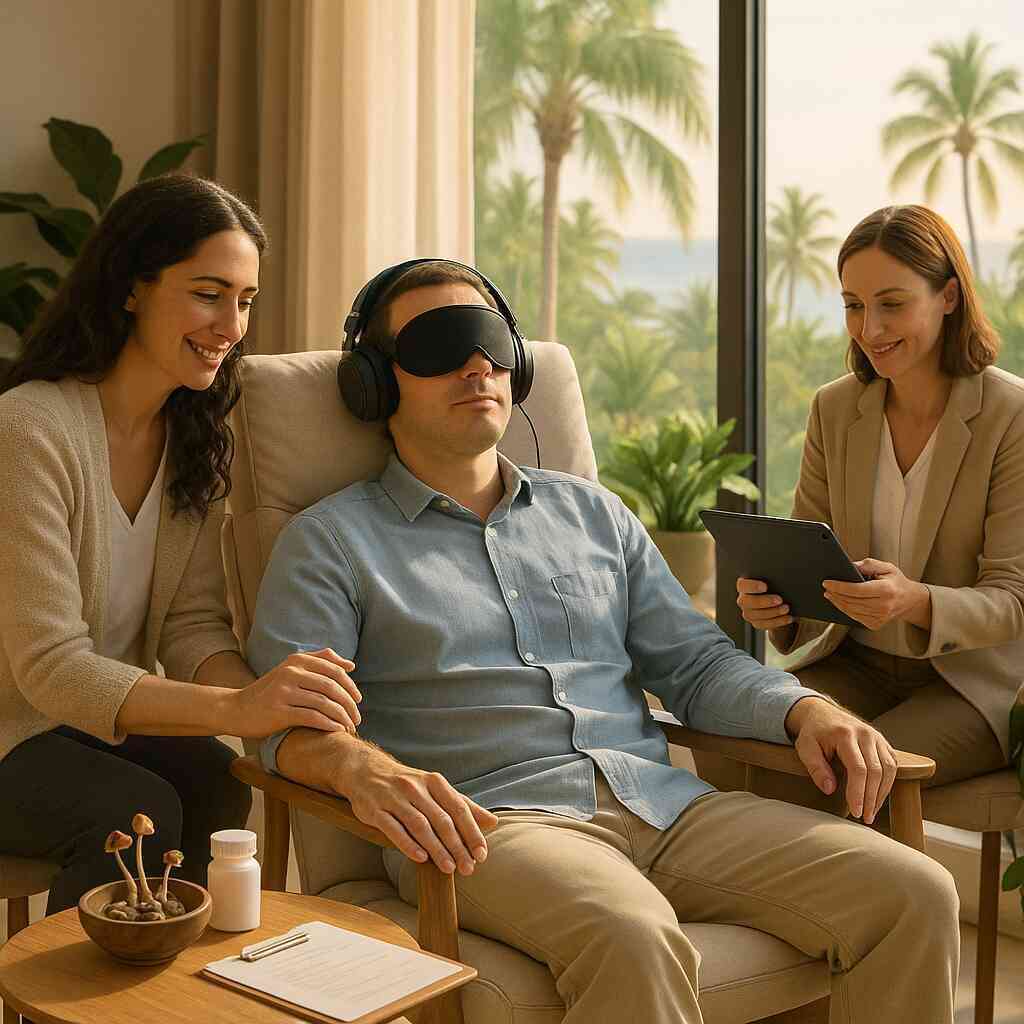
Emerging Pathways to Freedom: Choosing Psilocybin Therapy in Florida
From curiosity to commitment – assessing candidacy for psilocybin treatment
Many Floridians first hear about psilocybin therapy for OCD through podcasts, documentaries, or supportive friends. Curiosity grows when they compare personal struggles with success stories describing magic mushroom assisted therapy. Initial interest then turns serious as they learn how integrative psychedelic psychotherapy combines neuroscience and compassionate coaching. During a confidential intake, clinicians explore medical history, trauma exposure, and current medications for a traditional SSRI treatment comparison. Those conversations clarify whether psilocybin’s serotonin 2A receptor modulation will complement or replace existing regimens.
Comprehensive eligibility screening upholds safety while respecting individual autonomy. Physicians review cardiovascular data, psychiatric diagnoses, and potential drug interactions before green-lighting a therapist supported mushroom journey. Candidates also complete intention-setting exercises that highlight core values and desired outcomes. These reflections ensure that every session addresses unique obsessive triggers rather than offering a one-size-fits-all experience. When readiness aligns with medical clearance, curiosity evolves into wholehearted commitment and a clear treatment roadmap.
Navigating legal and ethical considerations within state guidelines
Legal clarity empowers patients to pursue healing without fear. Florida currently permits licensed research and limited compassionate access, and reputable clinics operate strictly within those statutes. Each participant signs detailed informed-consent documents that outline therapeutic goals, possible risks, and relapse prevention with psychedelics. By foregrounding transparency, practitioners honor both state law and the ethical principle of non-maleficence. Continuous oversight from multidisciplinary review boards further strengthens public trust.
Ethical excellence also means protecting vulnerable populations. Clinics implement trauma-sensitive protocols and maintain a patient centered healing environment that welcomes diverse identities. Therapists receive ongoing training in cultural humility and harm-reduction strategies, ensuring respectful care across age, faith, and orientation. Clear boundaries around touch, disclosure, and confidentiality safeguard emotional integrity during nonlinear psychedelic states. Adherence to these guidelines underscores the field’s commitment to responsible innovation and lasting community benefit.
Building a future of compassionate neuroinnovation in Florida
Florida’s mental-health landscape now pulses with collaborative energy. Academic centers, private practices, and advocacy groups partner to study neuroplasticity via psilocybin and optimize dosing algorithms. This cross-sector momentum positions the state as a living laboratory for compassionate neuroinnovation that prioritizes community wellness over mere symptom management. Funding streams support scholarships, keeping breakthroughs accessible to underserved residents.
Education fuels progress. Conferences spotlight ketamine versus psilocybin insights, mindfulness integration, and emerging digital tools that extend aftercare. Universities develop certification tracks where clinicians master evidence-based music curation, somatic support, and data analytics. Over time, this ecosystem cultivates a diverse workforce ready to deliver integrative psychedelic psychotherapy statewide. Ultimately, Florida’s collective vision transforms cutting-edge research into everyday relief for those burdened by relentless intrusive thoughts.
Transformative psilocybin experiences and the promise of lasting relief
Clients frequently describe their first session as a profound inner voyage that loosens obsessive grids within hours. Guided imagery, breathwork, and empathic presence invite deep surrender, allowing entrenched loops to surface, dissolve, and re-pattern. Follow-up assessments reveal steep Y-BOCS drops and heightened cognitive flexibility, confirming genuine obsessive compulsive disorder remission rather than temporary distraction. Ongoing microdosing protocols offer gentle reinforcement, creating day-to-day stability without pharmacological fog.
The broader vision extends beyond symptom charts. Many graduates report renewed purpose, creativity, and belonging that ripple through families and workplaces. If you feel called to explore this potential, consider reading about how Florida clinics are brain wellness redefined with psilocybin to understand next steps. A single courageous choice can open doors to lifelong balance, giving you the freedom to experience each moment with clarity and peace.
Frequently Asked Questions
Question: How does psilocybin therapy for OCD at Psilocybin Florida achieve rapid onset anti-obsessive effects compared with exposure response prevention routines and daily SSRIs?
Answer: Our integrative psychedelic psychotherapy uses a single, carefully calibrated dose of psilocybin mushrooms to ignite neuroplasticity via psilocybin and open new cognitive pathways within hours. By binding to serotonin 2A receptors, the medicine loosens the rigid neural loops that fuel compulsions, delivering the cognitive flexibility enhancement patients usually wait weeks-or even months-to feel with traditional SSRI treatment. During your therapist supported mushroom journey, two licensed clinicians guide you through music, breathwork, and mindfulness so intrusive thoughts can surface safely and lose their grip. Follow-up integration sessions replace avoidance with adaptive coping skills, meaning you spend less time practicing exposure response prevention drills and more time living symptom-free.
Question: In your recent blog post Differences Between Psilocybin Therapy and Traditional OCD Treatments, you highlight serotonin 2A receptor modulation-what does that actually change in my day-to-day life?
Answer: Serotonin 2A receptor modulation acts like a neurological reset button. Instead of saturating receptors every day (as SSRIs do), psilocybin delivers one profound pulse that re-balances communication among emotion, memory, and executive networks. Practically, this means you wake up less preoccupied with intrusive thoughts, feel more present with loved ones, and regain the mental bandwidth to pursue hobbies or career goals. Many clients describe a felt sense of spaciousness and purpose that traditional medication never provided, confirming the power of magic mushroom assisted therapy to upgrade overall quality of life-not just lower Yale-Brown scores.
Question: What safety protocols and patient centered healing environment make Psilocybin Florida a trustworthy place for guided psychedelic sessions?
Answer: Safety begins with rigorous medical and psychological screening, including cardiovascular checks, medication reviews, and genomic insights that inform personalized psilocybin dosing. On dose day, you relax in a private suite with soft lighting, weighted blankets, nature soundscapes, and continuous heart-rate monitoring. Trauma informed staff remain present throughout, while emergency medications and protocols stand by-though serious adverse events are exceedingly rare. All sessions comply with current Florida research and compassionate-use guidelines, and your data is protected by encrypted electronic health records. This layered approach creates a truly patient centered healing environment where you can explore transformative psilocybin experiences with confidence.
Question: If I reach obsessive compulsive disorder remission after a high-dose session, can psilocybin microdosing in Florida help prevent relapse?
Answer: Absolutely. Many graduates adopt a gentle microdosing schedule-typically one sub-perceptual capsule every three to four days-to reinforce the neuroplastic gains achieved during their breakthrough journey. Early data show that microdosing stabilizes mood variability, lowers anxiety spikes, and keeps cognitive flexibility high, all of which are key to relapse prevention with psychedelics. Our clinicians customize the protocol around your lifestyle, provide tracking journals, and invite you to community integration circles for ongoing support. Think of microdosing as proactive mental fitness that maintains the freedom you worked so hard to reclaim.
Question: How does psilocybin therapy compare with ketamine versus benzodiazepines for OCD patients frustrated by behavioral therapy limitations and pharmacotherapy side effect profiles?
Answer: Benzodiazepines offer quick sedation but carry dependency risks and can blunt cognitive sharpness. Ketamine delivers fast mood elevation yet often requires frequent infusions and may cause dissociation or bladder concerns. Psilocybin therapy, by contrast, focuses on deep psychological insight and lasting neural re-patterning. One to two sessions can produce long term OCD symptom reduction without daily dosing or significant side effects-no organ toxicity, no addiction potential, and minimal physical after-effects. By targeting root-level circuits through serotonin 2A receptor modulation, psilocybin treatment offers a holistic mental health approach that outperforms symptom-masking strategies and empowers you to live with clarity and purpose.