Comprehensive Insights into Psilocybin Florida’s OCD Solutions
Opening the Portal to Intrusive Thought Freedom
Why obsessive compulsive disorder demands innovative pathways
Obsessive compulsive disorder can hijack daily life with relentless intrusive thoughts and exhausting rituals. Traditional pharmaceuticals often mute symptoms without addressing the compulsive feedback loop. Many patients report emotional blunting, plateauing benefits, and lingering anxiety despite maximum SSRI dosing. Exposure Response Prevention remains gold standard yet still fails a sizable minority of seekers. These realities demand innovative pathways capable of rewiring both brain circuitry and personal narratives.
Emerging data reveal that targeted psilocybin OCD therapy offers rapid, durable relief unattainable with conventional agents. During controlled sessions, magic mushrooms interrupt compulsive loops while amplifying introspective clarity. Floridian clinicians now deliver guided protocols grounded in rigorous ethics and neuroscience. Clients choosing psilocybin-guided OCD therapy in Florida often describe newfound spaciousness around intrusive urges. Such qualitative reports align with functional imaging showing decreased hyperactivity in cortico-striatal pathways.
Magic mushrooms meet modern psychology in Florida
Psilocybin mushrooms contain a prodrug that metabolizes into psilocin, a potent serotonin 5-HT2A receptor agonist. Activation of this receptor triggers temporary disintegration of rigid neural networks responsible for obsessive rigidity. Modern psychologists pair that window with evidence-based cognitive strategies, fostering deep learning. The result is psychedelic interventions for intrusive thoughts that harmonize biology and psychotherapy. Florida legal psilocybin clinics follow strict protocols similar to those used in landmark academic trials.
Licensed therapists build personalized psychedelic mental health plans linking symptom history to session dosing. Advanced biometric screening ensures contraindications like unstable cardiac states are excluded preemptively. During journeys, facilitators offer grounding cues, music curation, and trauma-informed reassurance. Immediate integration debriefs translate mystical insights into practical exposure response exercises. This diligence upholds psilocybin therapy safety standards near you, inviting confidence from skeptical families and practitioners.
Setting intentions for a transformative reading journey
Before any ceremonial dose, intention setting calibrates the mind like a compass aimed toward healing. The same principle applies to engaging with this article on obsessive compulsive disorder treatment with magic mushrooms. Take a moment to notice personal hopes, questions, and even skepticism living beneath the surface. Naming these elements activates curiosity, the catalyst for sustainable behavioral change. Evidence-based psilocybin psychology repeatedly affirms that clear objectives magnify neuroplastic gains.
Throughout the next sections, you will encounter scientific data, client stories, and practical resources. Approach each insight with mindful openness, mirroring the posture cultivated during guided journeys. If emotional resistance arises, pause and breathe, practicing micro Exposure Response Prevention in real time. This simple exercise demonstrates mindfulness enhanced by psilocybin long before mushrooms touch your palate. By reading intentionally, you prepare internal soil for future integrative mushroom therapy programs.
From Serotonin Receptor to Soul Renewal
5-HT2A modulation and the neuroplastic reset
Psilocybin metabolizes into psilocin, which floods the brain’s serotonin 5-HT2A receptors within minutes of ingestion. This receptor surge temporarily loosens rigid cortical networks that keep obsessive loops locked in place. Consequently, dormant neural pathways become available, promoting rapid neuroplasticity for compulsive behaviors without weeks of titration. Researchers describe this phenomenon as a “reset,” because functional scans show reduced hyperactivity in the cortico-striatal-thalamic circuit. Freed from repetitive signaling, patients experience spaciousness around intrusive urges.
During this neuroplastic window, psilocybin OCD therapy pairs beautifully with mindfulness practices and Exposure Response Prevention drills. Patients report easier engagement with challenging exposures because their threat threshold has softened. Moreover, the compound’s brief half-life limits lingering side effects, unlike medications that occupy receptors all day. Integrating breathing exercises during peak activation further stabilizes autonomic function, grounding the biochemical shift in embodied awareness. This synergy turns a single session into a springboard for lasting cognitive flexibility.
Evidence-based psilocybin psychology versus traditional SSRIs
Traditional SSRIs dampen symptom intensity by steadily increasing overall serotonin availability, yet they rarely dissolve the obsessive architecture itself. Over time, many users experience emotional blunting, sexual side effects, and diminishing returns that fuel disengagement from therapy. In contrast, evidence-based psilocybin psychology delivers a concentrated neurochemical catalyst combined with structured psychotherapeutic guidance. The result is a potent, time-efficient intervention that respects the brain’s need for both chemistry and narrative reframing.
A growing number of comparative analyses highlight the advantages of psilocybin vs SSRIs for obsessive thoughts. Investigators note that one or two guided mushroom journeys often match or outpace months of daily pills. Additionally, self-reported quality-of-life scores improve because participants feel emotionally vivid rather than numbed. Clinicians at Florida legal psilocybin clinics incorporate follow-up integration sessions to translate mystical insights into actionable behavior plans. This holistic model preserves momentum and minimizes relapse risk.
Breakthrough compulsive loop reduction documented in recent trials
Recent multi-site trials demonstrate breakthrough compulsive loop reduction within forty-eight hours of a moderated dose. Participants display significant drops on Yale-Brown Obsessive Compulsive Scale metrics, and gains persist at one-year check-ins. Functional MRI imagery corroborates patient narratives, showing normalized connectivity between the default mode network and salience hubs. Such findings confirm that serotonin 5-HT2A receptor modulation rewires circuits rather than merely masking symptoms.
Equally compelling are the qualitative stories emerging from integrative mushroom therapy programs. Clients describe vivid epiphanies in which formerly threatening thoughts appear as neutral mental events. Therapists leverage these moments to teach mindfulness enhanced by psilocybin, reinforcing non-attachment. Because the treatment is non-habit forming, there is no physiological withdrawal, and tapering protocols are unnecessary. These advantages position psilocybin neuroplasticity for compulsive behaviors as a transformative, not palliative, option.
Florida legal psilocybin clinics upholding gold-standard safety
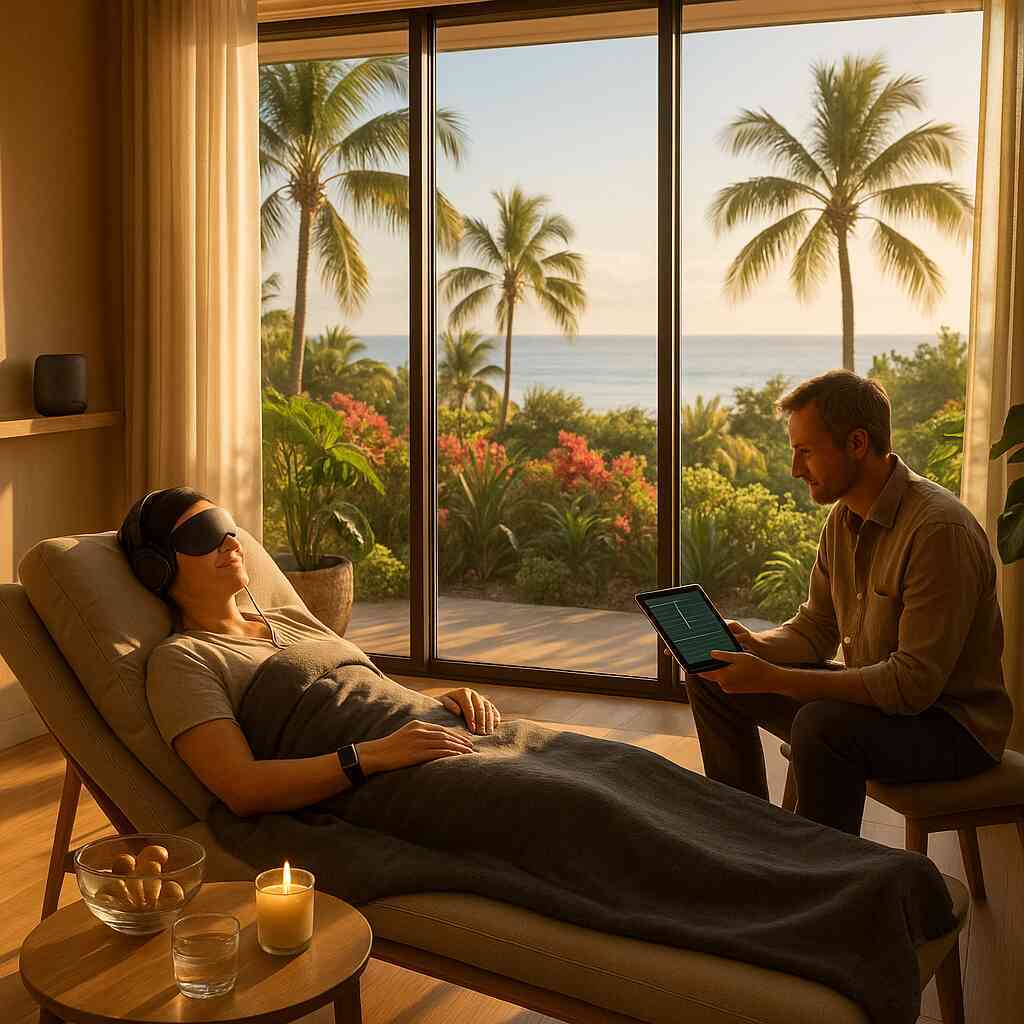
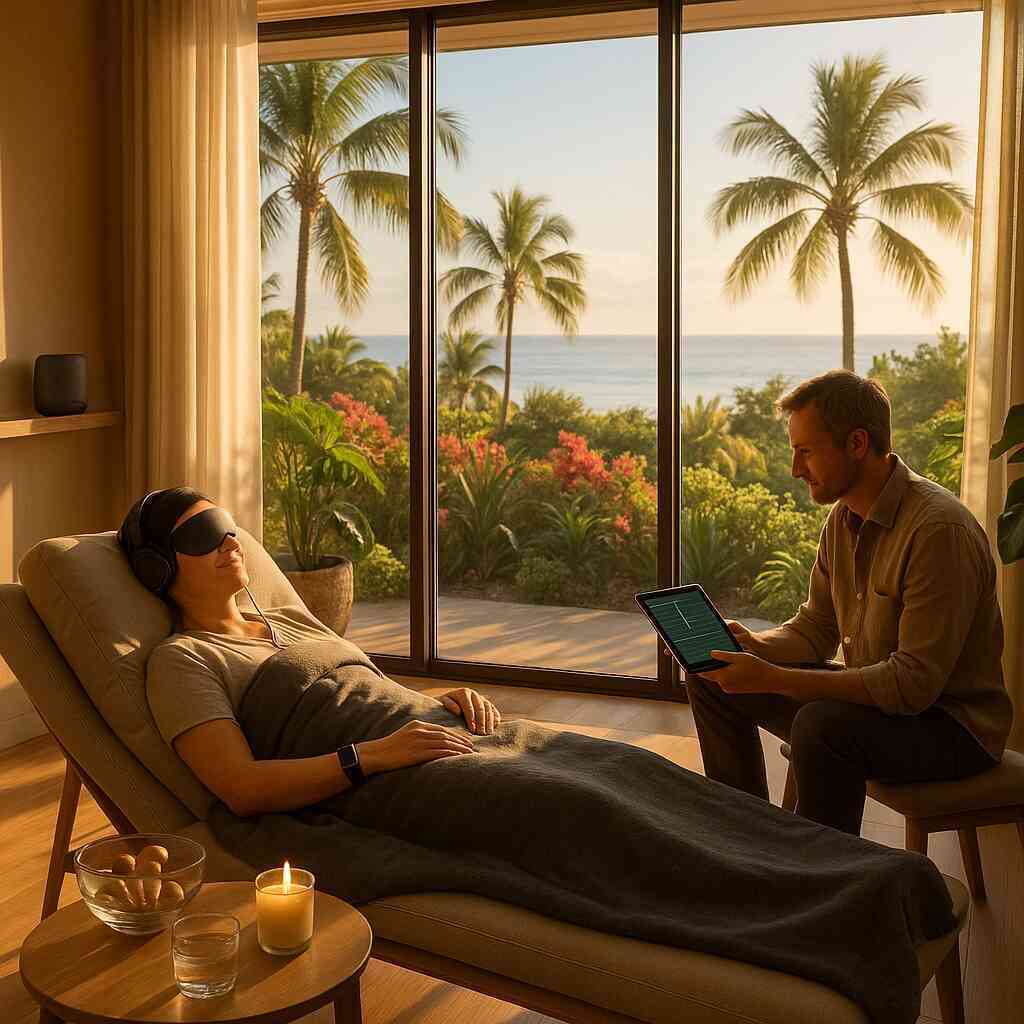
Safety remains paramount, and Florida legal psilocybin clinics operate under rigorous medical and ethical frameworks. Each candidate undergoes cardiovascular screening, psychiatric history review, and medication reconciliation to prevent serotonin syndrome. Licensed psychedelic facilitators supervise every journey, applying trauma-informed psilocybin session protocols that honor individual pacing. Continuous biometric monitoring ensures swift response to any physiological fluctuation, further elevating psilocybin therapy safety standards.
After the session, patients transition into quiet integration lounges where therapists guide insight-oriented dialogue. Personalized psychedelic mental health plans outline nutrition, sleep hygiene, and community support for holistic OCD care in Florida. Electronic tracking tools record micro-goals, empowering clients to visualize progress and adjust strategies. Moreover, collaborative partnerships with ketamine-assisted care teams provide contingency options for complex presentations. Through meticulous oversight, these clinics transform cutting-edge science into reliable, compassionate care.
 Designing Psilocybin Assisted Exposure Response Pathways
Personalized psychedelic mental health plans for OCD
Every psilocybin OCD therapy journey begins with a meticulous intake that explores symptom chronology, medical history, and lifestyle patterns. Clinicians translate those findings into personalized psychedelic mental health plans that outline target doses, musical frameworks, and integration milestones. This approach honors the individuality of obsessive presentations while applying evidence-based psilocybin psychology validated by cutting-edge psychedelic research Florida clinicians continuously refine. Because the plan already anticipates triggers, patients enter sessions feeling prepared rather than apprehensive, which supports smoother psilocybin-assisted exposure response prevention later. The resulting sense of agency becomes the first step toward holistic OCD care in Florida that endures far beyond the clinic walls.
During follow-up consultations, therapists review biometric data and patient narratives to recalibrate dosing or exposure hierarchies. Iterative adjustments sustain breakthrough compulsive loop reduction without rushing neuroadaptive processes. By measuring heart-rate variability, sleep quality, and mood volatility, practitioners map psilocybin neuroplasticity for compulsive behaviors onto tangible metrics. Patients see progress charts that validate internal shifts, reinforcing motivation to complete successive magic mushroom guided journeys. Such transparency cultivates trust, demonstrating that treatment remains rooted in science, not mystique.
Trauma-informed psilocybin sessions with licensed facilitators
Safety and emotional attunement form the backbone of trauma-informed psilocybin sessions. Before administering any dose, facilitators discuss boundaries, preferred soothing techniques, and potential trauma activators to minimize unforeseen distress. Throughout the experience, practitioners practice active listening, gentle redirection, and consent-based touch, ensuring non-habit forming anxiety relief rather than accidental retraumatization. Real-time co-regulation stabilizes the nervous system, allowing therapeutic material to surface at a manageable pace. Participants routinely describe feeling profoundly seen, an essential ingredient for durable change.
Ethical oversight is further strengthened by sessions led exclusively by licensed psychedelic facilitators in Florida. Their interdisciplinary training spans psychopharmacology, somatic therapy, and cultural humility, enabling nuanced responses to diverse client needs. Facilitators remain vigilant for cardiovascular fluctuations or serotonin syndrome indicators, coordinating with medical staff when necessary. Post-journey debriefs transform raw insights into structured psilocybin-assisted exposure response prevention exercises, cementing cognitive shifts. This comprehensive stewardship elevates Florida legal psilocybin clinics into refuges of both innovation and safety.
Mindfulness enhanced by psilocybin for intrusive thought defusion
Mindfulness practices gain exceptional potency when combined with serotonin 5-HT2A receptor modulation. As psilocybin dissolves rigid prediction loops, patients can observe intrusive thoughts as passing mental weather rather than urgent alarms. Therapeutic guides introduce breath counting, body scanning, and labeling exercises precisely when cortical networks are most malleable. The result is mindfulness enhanced by psilocybin, an embodied skill set that continues defusing obsessions long after pharmacological effects fade. Rehearsing these techniques during peak moments embeds them at a neurobiological level.
Between sessions, clients devote fifteen minutes daily to the same mindful drills, reinforcing synaptic pathways forged during the journey. Wearable technology tracks adherence, while journals capture qualitative shifts like increased spaciousness around triggering cues. Over weeks, patients report faster recovery from compulsive urges and fewer ritualistic behaviors, confirming sustained psilocybin neuroplasticity for compulsive behaviors. Crucially, these gains emerge without daily medication burdens, illustrating a natural alternative to SSRIs that preserves emotional vitality.
In-session integrative mushroom therapy programs
In-session integrative mushroom therapy programs weave cognitive, somatic, and creative modalities into the psychedelic arc. Curated playlists steer emotional tone from curiosity to catharsis, while weighted blankets provide proprioceptive grounding. Some clients employ mindful drawing to externalize abstract insights, converting them into tangible symbols for later reflection. Exposure hierarchies are gently introduced during descending phases, when fear circuits remain flexible yet coherent. This strategic timing accelerates learning, making each voyage a microcosm of psilocybin-assisted exposure response prevention.
Immediately afterward, therapists facilitate narrative reconstruction, linking mystical realizations to everyday resilience strategies. Clients practice replacing compulsion-driven language with autonomy-affirming statements, such as “I can choose to observe this urge.” Collaborative goal-setting then funnels heightened motivation into concrete behavioral experiments scheduled over the following weeks. These integrative mushroom therapy programs harness lingering neuroplastic windows, transforming transient awe into measurable behavioral change. Community circles or online forums offer peer validation, adding social scaffolding that prolongs therapeutic momentum.
Psilocybin microdosing protocols for day-to-day resilience
Not every moment calls for a full psychedelic immersion; microdosing offers a subtle yet powerful complement. Carefully calibrated sub-perceptual doses sustain mild serotonin engagement, smoothing mood fluctuations and sharpening focus without disrupting daily responsibilities. Clinicians design psilocybin microdosing protocols for OCD that alternate active and rest days, preventing receptor fatigue while maintaining cognitive flexibility. Patients often report enhanced curiosity toward previously anxiety-laden tasks, which supports ongoing exposure practice. Importantly, these protocols never aim for intoxication, preserving full professional and familial functioning.
Monitoring remains essential even at low doses. Weekly check-ins evaluate sleep, appetite, and emotional tenor to catch overstimulation early. Because psilocybin is non-addictive, pauses or tapering carry minimal discomfort, offering a stark contrast to conventional pharmacotherapy withdrawals. Some individuals eventually transition off microdosing altogether, relying solely on mindfulness and lifestyle adjustments cemented during transformational sessions. Thus, microdosing becomes both bridge and backup, ensuring day-to-day resilience while honoring each person’s evolving relationship with medicine and self-agency.
Integrative Aftercare and Microdosing Maintenance
Post-journey insight oriented psychotherapy
Integration begins once magic mushroom guided journeys conclude. Licensed psychedelic facilitators Florida escort clients into soothing spaces for reflection. There, psilocybin insight-oriented psychotherapy translates mystical moments into practical exposure goals. Therapists revisit personalized psychedelic mental health plans, ensuring continuity with earlier psilocybin-assisted exposure response prevention drills. This immediate processing stabilizes emotions and preserves the breakthrough compulsive loop reduction gained during the session.
During subsequent meetings clinicians employ evidence-based mushroom protocols for OCD to reinforce change. Narrative therapy pairs with mindfulness enhanced by psilocybin, helping clients observe thoughts without panic. Somatic exercises anchor insights inside the body, reducing relapse risk. Families receive education that demystifies psychedelic interventions for intrusive thoughts while promoting supportive dialogue. The collaborative approach exemplifies patient-centered psychedelic aftercare rooted in trust.
Holistic OCD care in Florida that blends nutrition movement and community
Psilocybin Florida views physical wellness as inseparable from mental resilience. Dietitians craft anti-inflammatory meal plans that support serotonin 5-HT2A receptor modulation. Balanced macronutrients sustain energy for demanding exposure tasks and daily responsibilities. Meanwhile, movement specialists introduce gentle yoga and mindful walking to discharge residual stress chemicals. This synergy strengthens psilocybin neuroplasticity for compulsive behaviors far beyond clinic walls.
Community circles further enhance holistic OCD care in Florida by offering shared accountability. Peer stories normalize setbacks and celebrate incremental victories. Participants practice compassionate listening, mirroring trauma-informed psilocybin sessions held earlier. Such communal containers reduce isolation, a common driver of obsessive patterns. Over time, members organically mentor newcomers, perpetuating a sustainable healing culture.
Ethical sourcing of Psilocybe cubensis for non-habit forming anxiety relief
Respect for nature guides every cultivation choice. Agronomists select spore prints only from reputable laboratories committed to ecological stewardship. Controlled indoor environments replicate forest conditions while preventing habitat depletion. As a result, clients receive medicine produced through ethical sourcing of Psilocybe cubensis for non-habit forming anxiety relief. Transparency at each step reinforces institutional credibility and client confidence.
Laboratory assays confirm purity and potency, aligning with strict psilocybin therapy safety standards. Batches remain traceable from substrate to session, simplifying any necessary recalls. This diligence mirrors pharmaceutical Good Manufacturing Practices while honoring indigenous wisdom. Clients learn cultivation ethics during workshops, fostering gratitude and responsible consumption. Conscious supply chains therefore become implicit lessons in mindfulness.
Digital tracking tools for neuroplasticity progress
Modern technology amplifies therapeutic follow-through. Secure mobile applications prompt journal entries, breathing exercises, and scheduled microdoses. Wearables upload heart rate variability, correlating physiological calm with practiced mindfulness enhanced by psilocybin. Clinicians review dashboards weekly, fine-tuning psilocybin microdosing protocols for OCD when trends shift. Objective data transforms abstract progress into visible metrics.
Gamified milestones sustain motivation between Florida legal psilocybin clinics visits. Badges reward streaks in exposure practice or nightly meditation. Clients share achievements within encrypted community feeds, adding social validation to quantitative graphs. The system integrates seamlessly with alternative TMS therapy options in Florida when multimodal support becomes beneficial. Digital oversight thus closes the loop between transformative mushroom retreats for OCD and everyday life.
Charting a Future Beyond Compulsive Loops
Reclaiming agency through transformative mushroom retreats
Transformative mushroom retreats for OCD place participants inside immersive, multi-day containers guided by seasoned clinicians. During each immersion, psilocybin OCD therapy combines breathwork, journaling, and nature walks to reinforce neuroplastic shifts. Recent integrative mushroom therapy breakthroughs demonstrate that retreat dosing schedules deepen serotonin 5-HT2A receptor modulation without overwhelming the nervous system. Structured quiet periods allow intrusive thoughts to surface and dissolve, illustrating psilocybin neuroplasticity for compulsive behaviors in real time. Every evening circle reviews exposure victories, converting temporary insights into durable skill sets. Guests leave carrying personalized microdosing plans that safeguard momentum once daily life resumes.
Retreat facilitators uphold trauma-informed protocols, ensuring each participant feels empowered rather than pressured. Somatic check-ins track tension patterns, guiding on-the-spot grounding exercises when sensations spike. This compassionate vigilance cultivates psychological safety, the foundation for holistic OCD care in Florida. By dedicating several consecutive days to practice, clients accumulate exposure hours equal to months of weekly therapy. The condensed schedule accelerates habit rewiring while preserving the gentle pacing essential for sustained change.
The ripple effect of healed minds on families and communities
When an individual quiets obsessive loops, everyone within their orbit feels the shift. Parents notice calmer mornings, partners sense renewed intimacy, and coworkers observe clearer focus. Such benefits multiply when localized resources support ongoing growth. Residents can now effortlessly find psilocybin clinics across Florida counties, creating regional hubs where progress gains reinforcement. Access close to home shortens travel gaps, allowing loved ones to join integration meetings and learn collaborative coping skills.
Community reverberations extend beyond immediate relationships. As former sufferers resume volunteering, artistry, and entrepreneurship, neighborhoods absorb fresh energy. Collective morale improves when success stories replace stigma around mental health innovation. Local schools often invite graduates to speak, illustrating the attainable path from distress to resilience. Over time, these narratives dismantle misinformation and normalise psychedelic interventions for intrusive thoughts.
Invitation to explore Psilocybin Florida’s next steps together
Your healing journey deserves guidance rooted in science, compassion, and cultural sensitivity. Psilocybin Florida offers exactly that, wrapping every service inside transparent clinical governance. By choosing our team, you tap into comprehensive psilocybin care on Florida that spans assessment, dosing, integration, and long-term follow-up. Whether you seek psilocybin microdosing protocols for OCD or crave a full ceremonial journey, experts stand ready. The first conversation always centers on your goals, because sustainable transformation begins with clearly voiced intentions.
Take a mindful breath and envision life unburdened by compulsions. Now imagine sharing that steadiness with friends, family, and every project that inspires you. The decision to step forward may feel bold, yet thousands have proven its wisdom. Reach out, ask questions, and let our licensed psychedelic facilitators clarify each step. Together we can transform possibility into lived freedom, one intentional dose at a time.
Frequently Asked Questions
Question: How is psilocybin OCD therapy at Psilocybin Florida different from taking daily SSRIs or doing stand-alone Exposure Response Prevention?
Answer: Traditional SSRIs bathe the brain in serotonin all day, which can blunt emotions and often leaves the obsessive architecture intact. Our psilocybin OCD therapy delivers a single, carefully dosed session of magic mushrooms that converts to psilocin and briefly super-charges the serotonin 5-HT2A receptor. That surge loosens the rigid cortico-striatal circuits driving compulsions, opening a neuroplastic window in which guided psilocybin-assisted exposure response prevention can rapidly rewire habits. Because the medicine is non-habit forming, you avoid long-term side-effects while gaining breakthrough compulsive loop reduction within days. Follow-up integration and mindfulness enhanced by psilocybin make the gains stick.
Question: In Comprehensive Insights into Psilocybin Florida’s OCD Solutions you discuss serotonin 5-HT2A receptor modulation-how does that translate into real-world relief for intrusive thoughts?
Answer: When psilocybin activates the 5-HT2A receptor, it temporarily dismantles the brain’s prediction networks that keep intrusive thoughts on repeat. Clients routinely describe feeling “space” around an urge that once felt unbearable. During that window our licensed psychedelic facilitators in Florida introduce mindfulness drills and cognitive reframes that teach the mind to witness an obsession without acting on it. Functional MRI data show this process normalizes default mode network activity, confirming that the relief you feel is grounded in measurable psilocybin neuroplasticity for compulsive behaviors-not placebo.
Question: What safety measures do your Florida legal psilocybin clinics use to keep trauma-informed psilocybin sessions secure and comfortable?
Answer: Safety is our cornerstone. Every participant completes a comprehensive medical and psychiatric screening to rule out contraindications like uncontrolled hypertension or certain medications. On session day, two licensed psychedelic facilitators remain present from first sip to final debrief, monitoring vitals with hospital-grade equipment. We use consent-based touch, curated music, weighted blankets, and private integration lounges so each journey feels grounded and respectful. Our protocols meet or exceed published psilocybin therapy safety standards, giving you confidence that you’re in expert hands.
Question: Can I incorporate psilocybin microdosing protocols for OCD into my normal routine, and are they truly non-habit forming?
Answer: Yes. After an initial transformational session, many clients shift to a microdosing schedule, usually one microdose every three or four days-designed to keep serotonin signaling smooth without producing intoxication. Because psilocybin is non-addictive, you can pause or stop at any time without withdrawal. We monitor sleep, mood, and heart-rate variability through digital tracking tools so your protocol remains optimal for daily responsibilities like work and family life. Think of microdosing as a gentle bridge that sustains neuroplastic gains while you practice exposure exercises in real-world settings.
Question: How do personalized psychedelic mental health plans and post-journey integration sessions ensure lasting, holistic OCD care in Florida?
Answer: Your healing begins with a 90-minute intake where we map symptom history, lifestyle, and goals. From there we craft a personalized psychedelic mental health plan that specifies dose range, music, exposure hierarchies, and nutrition. After the magic mushroom guided journey, psilocybin insight-oriented psychotherapy helps translate mystical insights into concrete behavioral experiments. We then weave in community circles, movement coaching, and ethical sourcing education to create truly holistic OCD care in Florida. Continuous data review lets us tweak the plan so improvements not only last but expand into every area of your life.