Compare Psilocybin Florida Therapy to Magic Mushroom Use
Compare Psilocybin Florida Therapy to Magic Mushroom Use
Bridging Mysticism and Medicine: A New Lens on Psilocybin in Florida
From counterculture to clinical psilocybin therapy Florida
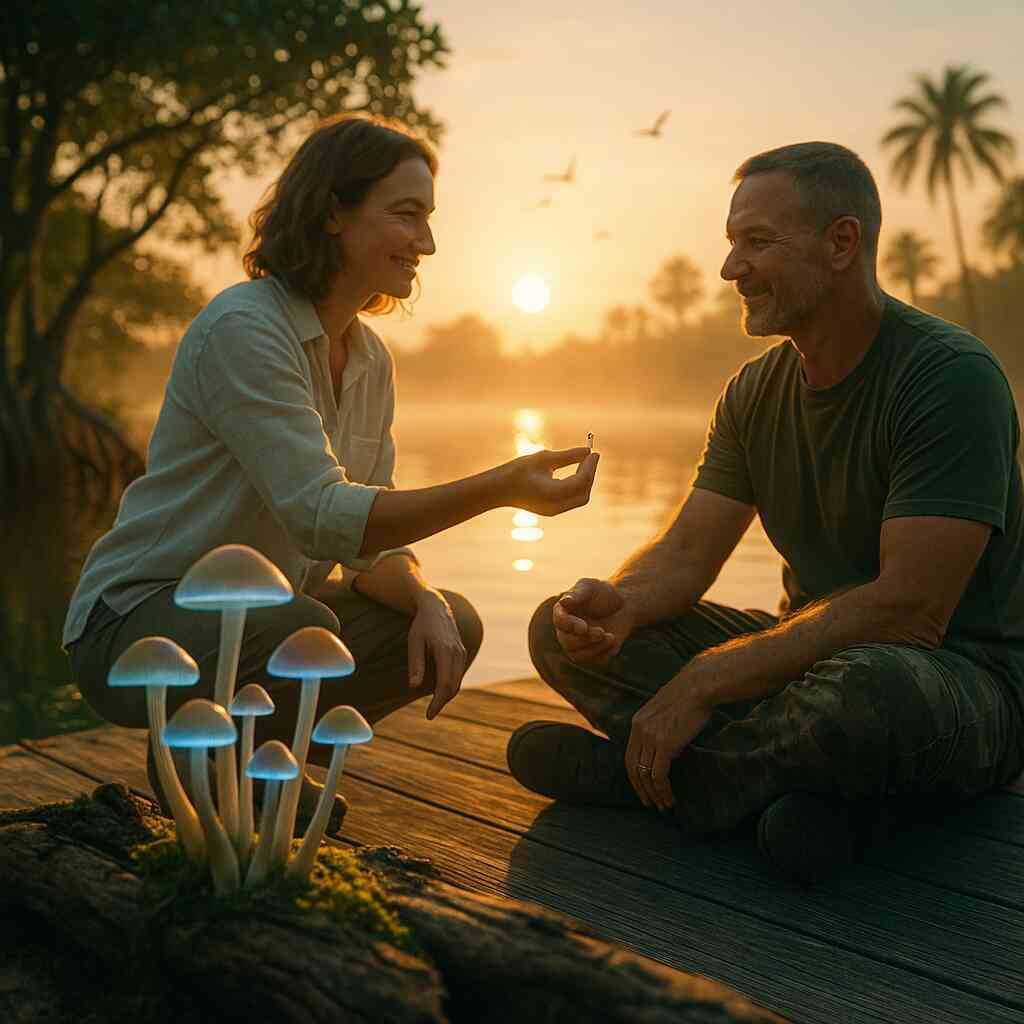
The journey from clandestine gatherings to accredited clinics is nothing short of remarkable. Once, magic mushrooms symbolized rebellion, music festivals, and hazy campfires. Today, clinical psilocybin therapy Florida professionals deliver the same compound under strict protocols. Patients meet medical teams, complete psychological assessments, and receive tailored dosage plans. To see how far the field has progressed, explore this comprehensive overview of clinical psilocybin options in Florida.
Modern supervision has upended old stereotypes while honoring ancient wisdom. Traditional healers stressed intention, ceremony, and respect for the sacred fungus. Licensed psychedelic facilitators embrace the same values while adding evidence-based safeguards. Intake screenings rule out contraindicated medications and latent cardiac issues. Consent conversations clarify expectations and discuss possible emotions during altered states. These layers of medical diligence anchor mystical insights within measurable safety.
Why comparing therapeutic vs recreational psilocybin matters today
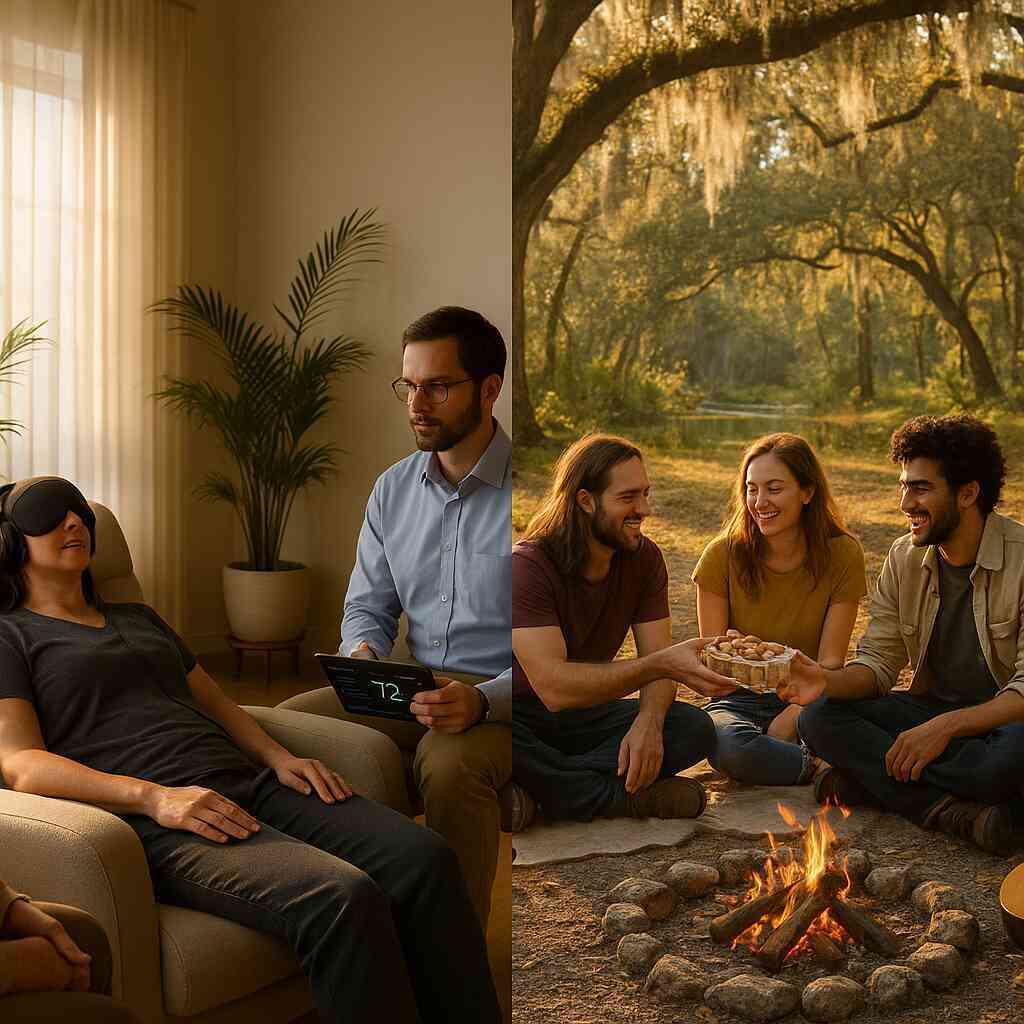
Choosing between guided treatment and self-directed tripping shapes outcomes sharply. Recreational use of magic mushrooms often lacks standardized dosing, thereby increasing variability in peak intensity. People may chase euphoria yet stumble into confusion or anxiety spirals. In contrast, psilocybin therapy pairs calibrated capsules with continuous clinical monitoring. Outcome data show fewer adverse events and stronger remission rates for depression, anxiety, and addiction. A thoughtful primer on these distinctions can be found in this concise contrasting magic mushrooms versus therapy article.
Legal context amplifies the stakes. Possessing psilocybin mushrooms remains risky in Florida without authorized studies or compassionate-use frameworks. Criminal charges jeopardize careers, family stability, and mental health goals. By contrast, supervised psilocybin sessions occur under regulatory exemptions, institutional review boards, and malpractice coverage. Insurance negotiations are underway, hinting at future affordability. Evaluating these factors helps prospective users decide responsibly.
Set and setting redefined within professional care
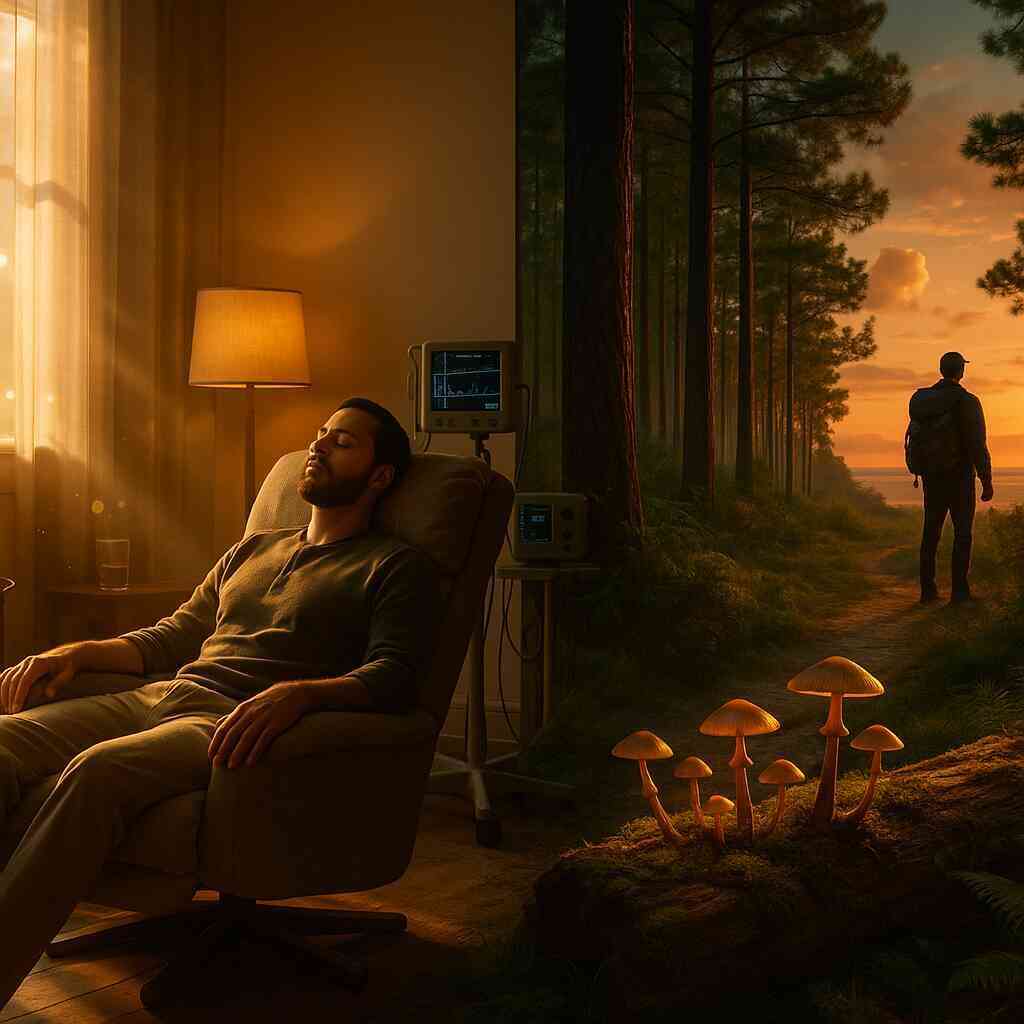
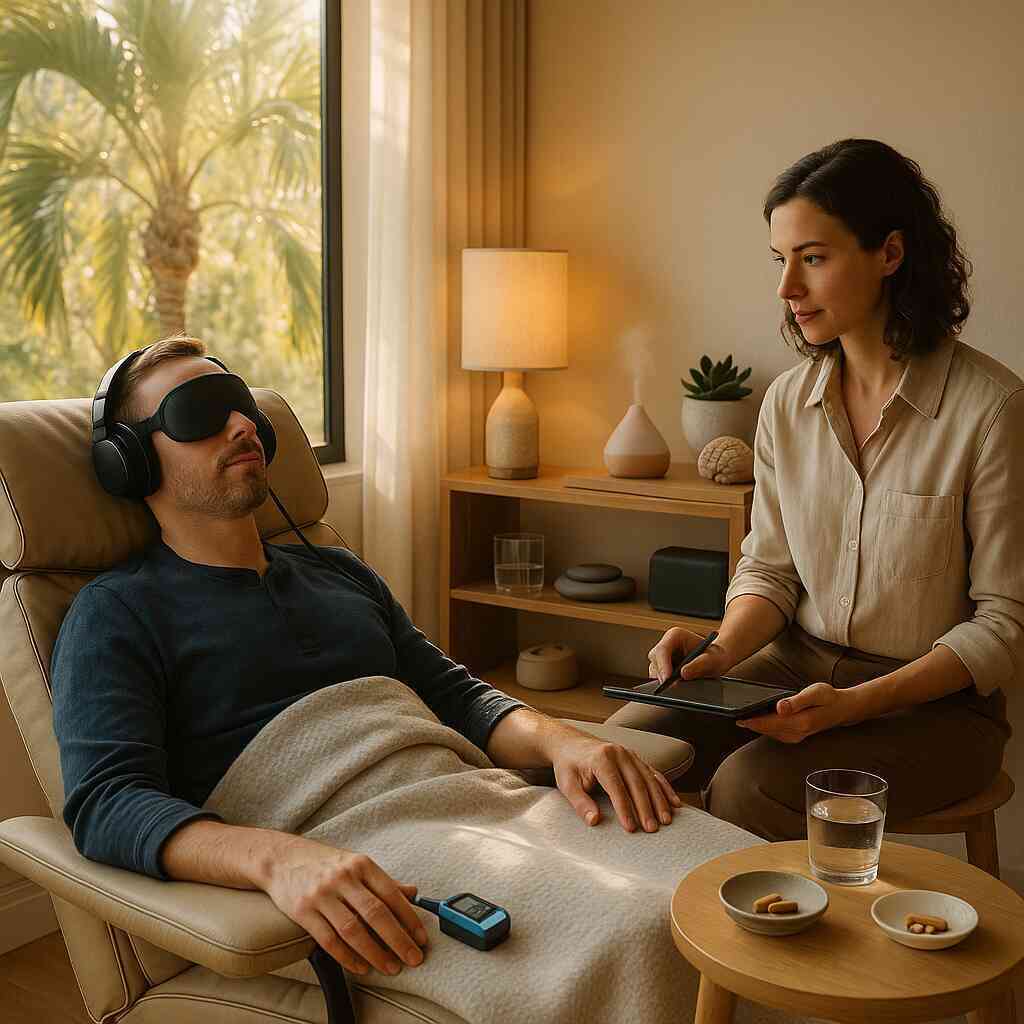
“Set and setting” once meant a friend’s apartment, dim lights, and vinyl records on repeat. Clinical environments reinterpret the phrase with scientific rigor. Therapists craft a therapeutic alliance long before the first capsule is swallowed. Comfortable rooms feature soft colors, adjustable recliners, weighted blankets, and curated playlists. The result is a predictable, nurturing container for neuroplasticity to flourish. For deeper insight, read this guide on understanding set and setting for therapeutic use.
Integration completes the modern definition of setting. After the peak, patients experience epiphanies during structured debriefs and weekly talk therapy sessions. Homework might include journaling, somatic exercises, or mindfulness walks. This sustained support transforms fleeting visions into actionable life changes. Consequently, clinical psilocybin therapy Florida demonstrates enduring gains in emotional resilience, unlike sporadic recreational experiences.
The Science and Safeguards of Supervised Psilocybin Sessions
Evidence-based psilocybin protocols and dosage titration safeguards
Florida clinics rely on rigorously validated manuals that transform ancient insights into evidence-based psilocybin protocols. Researchers continuously refine these guidelines using double-blind trials and real-world outcome registries. Each supervised psilocybin session begins with weight-adjusted dosing, usually starting conservatively to observe individual sensitivity. Therapists monitor heart rate, blood pressure, and subjective comfort, then decide whether careful titration is warranted. This staircase method minimizes surprises while preserving therapeutic depth and mystical intensity. Safety data reveal dramatically lower incidence of panic reactions when dosage titration safeguards are respected. Consequently, clinical psilocybin therapy Florida patients experience reliable, repeatable journeys that translate into measurable symptom relief.
Dosing also changes depending on diagnostic targets because neural circuitry for depression differs from obsessive worry or alcohol craving. For mood disorders, practitioners reference an evidence based psilocybin depression protocol in Florida ensuring harmonized capsule strength and session frequency. The protocol integrates psychotherapy checkpoints that track cognitive flexibility and emotional valence across several weeks. Data show steep declines in rumination scores soon after the final dose. Because every microgram is accounted for, clinicians can attribute progress to precise pharmacological exposure rather than placebo fluctuations. This granularity builds public trust and satisfies regulators evaluating future rescheduling proposals. Ultimately, robust measurement converts mystical moments into actionable evidence that resonates with medical boards and skeptical insurers alike.
Licensed psychedelic facilitators and therapeutic alliance in Florida clinics
The human element remains central because molecules alone do not guarantee transformation. Licensed psychedelic facilitators in Florida undergo hundreds of classroom and practicum hours before guiding a single client. Curriculum covers trauma-informed care, pharmacodynamics, crisis intervention, and cultural humility. Many trainees also complete yoga or somatic certifications to broaden their empathy toolkit. Graduates must pass peer-reviewed simulations that test judgment under intense emotional release. Only then may they participate in supervised psilocybin sessions as primary sitters. Such rigorous preparation distinguishes clinical spaces from underground circles where support training varies wildly.
Continuing education is equally critical because science evolves quickly. Programs like training for licensed psychedelic facilitators in Florida provide yearly refreshers on emerging findings and legal updates. Facilitators learn new mindfulness scripts, updated music-curation techniques, and refined emergency protocols. These shared standards foster a strong therapeutic alliance that starts during intake interviews. Patients feel safe disclosing fears, which deepens rapport before consciousness expands. A trusted guide helps translate ineffable visions into grounded discussion, preventing post-session confusion. Consistency across facilitators also simplifies multicenter research comparing outcomes statewide.
Integration support after psilocybin sessions nurturing neuroplasticity
Neuroplasticity surges for several days after a high-dose journey, opening a window for behavioral rewiring. Integration sessions capitalize on this malleability through mindfulness practice, cognitive reframing, and lifestyle goal setting. Clinicians schedule the first debrief soon after the journey to capture vivid recollections and emotional resonance. Structured reflection assignments encourage clients to write narratives that reinforce healthy neural pathways. Group circles may follow, allowing peer mirroring that normalizes unconventional insights. This collaborative process converts epiphany into sustainable habits, such as daily gratitude practice or reduced alcohol intake. Research links integration quality with long-term psilocybin assisted psychotherapy outcomes across depression, PTSD, and addiction.
Technology now augments integration through encrypted telehealth check-ins and biometric sleep tracking. Therapists adjust homework when wearable data shows restlessness or emotional volatility. Such adaptive support maintains momentum even when life stressors reappear. Ultimately, supervised psilocybin sessions become catalysts rather than isolated peak experiences. By nurturing neuroplasticity over weeks, clinics convert temporary openness into resilient emotional architecture. That ongoing care differentiates clinical psilocybin therapy programs from quick-fix wellness retreats. Clients describe feeling accompanied, not abandoned, which itself predicts lower relapse rates.
Screening and suitability mapping for depression anxiety and addiction recovery
Responsible clinics never assume every seeker is an ideal candidate. Comprehensive screening maps psychiatric history, cardiovascular health, and current medications that may blunt or intensify effects. Exclusion criteria include uncontrolled hypertension, recent manic episodes, and certain serotonin-enhancing drugs. This conservatism protects vulnerable individuals from pharmacological clashes and psychological overwhelm. Furthermore, genetic testing sometimes informs metabolic predictions for psilocybin to psilocin conversion speed. Such personalized data improves dosage accuracy and reduces adverse events. Clear boundaries demonstrate medical maturity absent in unregulated recreational magic mushroom use.
Suitability mapping extends beyond “safe” or “unsafe” labels; it aligns intentions with evidence. Many alcohol-dependent clients join psilocybin assisted addiction care near Florida programs blending Twelve-Step principles with neuroplasticity coaching. Conversely, individuals with primary anxiety might benefit from lighter schedules or supportive microdosing regimens. Clinicians explain each pathway, ensuring patients co-author their treatment plans rather than feeling dictated to. Shared decision making strengthens commitment and enhances placebo-responsive pathways that complement pharmacological action. Ultimately, thorough suitability mapping raises the ceiling of possible breakthroughs while lowering floors of potential harm. This balanced gatekeeping embodies the ethical backbone of supervised psilocybin sessions in the Sunshine State.
The Allure and Uncertainties of Recreational Magic Mushroom Use
Legal status of psilocybin in Florida and the underground retreat landscape
The legal status of psilocybin in Florida remains strictly prohibitive, despite growing national conversations about decriminalization. State statutes still classify the compound alongside harsher narcotics, exposing users to felony charges for simple possession. Tourists sometimes misread local ordinances and assume police overlook natural fungi, yet arrests still occur at beaches and music venues. Prosecutors may offer diversion programs, but records can linger and jeopardize employment background checks. Understanding these realities prevents romanticized assumptions that recreational magic mushroom use enjoys hidden immunity.
Because penalties loom large, many enthusiasts seek covert retreats operating in rural rental houses or unregulated wellness centers. These gatherings promise mystical insight, yet hosts rarely carry liability insurance or medical clearance equipment. Participants must accept elevated risk without the emotional safety nets found in clinical psilocybin therapy Florida programs. A helpful primer appears in the article on debunking magic mushroom myths in Florida culture. Reviewing such resources shows how retreat concerns differ from FDA-supervised psilocybin access limited to research settings.
Variability in psilocybin mushrooms’ potency and risks of self-medicating
Unlike pharmacy-measured capsules, wild or homegrown mushrooms vary dramatically in psilocybin concentration even within a single harvest. Two visually identical stems can deliver opposite intensities, complicating precise self-dosing. Novices often rely on internet dosage charts that ignore species taxonomy or drying technique. Such guesswork fuels unexpected panic reactions, tachycardia, or prolonged confusion. These magic mushroom adverse effects rarely occur when evidence-based psilocybin protocols guide supervised psilocybin sessions.
Risks multiply when users combine mushrooms with antidepressants, alcohol, or stimulants without medical counsel. Serotonin overload can trigger dangerous hypertension, yet forums frequently dismiss this pharmacological minefield. Licensed psychedelic facilitators in Florida screen for medication conflicts and calibrate psilocybin dosage titration safeguards carefully. DIY explorers, however, rely solely on anecdotal data, so they cannot replicate the patient screening for psilocybin suitability practiced in regulated clinics. This gap underscores why professional guidance vs DIY mushroom use remains a pivotal debate.
Harm reduction for magic mushroom trips DIY set and setting considerations
Seasoned psychonauts preach set and setting, yet implementing those principles at home demands resources many overlook. Quiet music, trusted company, and comfortable lighting help, but they cannot replace therapeutic alliance during psychedelic therapy. Trained clinicians intervene if intrusive memories surface, preventing retraumatization. Friends might mean well yet lack de-escalation skills, raising stakes for those with hidden trauma. Therefore harm reduction for magic mushroom trips starts with honest appraisal of personal history.
Hydration, nutrition, and a safe exit plan further enhance safety, though few recreational circles formalize these protocols. Integration support after psilocybin sessions also matters; without it, revelations fade or morph into anxiety. Clinics schedule follow-ups to solidify neuroplasticity from psilocybin therapy, whereas informal groups disperse quickly. Individuals attempting microdosing psilocybin legality Florida must also document intake to detect tolerance shifts. Comprehensive preparation aligns with hospital standards, yet many living rooms strive for improvised comfort.
Comparing costs, unpredictability, and lack of insurance coverage
At first glance, eating home-grown fungi appears cheaper than enrolling in supervised programs. Spores cost little, and friends volunteer as sitters. However, hidden expenses accumulate when sessions derail and require urgent medical care or missed workdays. By contrast, clinical programs disclose total fees upfront and often explore insurance coverage for psilocybin therapy as pilot reimbursement models expand. Transparent budgeting helps clients avoid financial whiplash.
Underground retreats charge widely variable rates, sometimes rivaling regulated offerings without matching safety or outcome tracking. Clients may lose deposits if law enforcement intervenes or organizers vanish. Comparing costs of psilocybin treatment therefore demands more than sticker price; it requires weighing psilocybin therapy versus self guided tripping outcomes. Mental health breakthroughs with guided psilocybin carry lasting value that offsets upfront investment. Ultimately, certainty around quality and accountability often outweighs savings attached to uncertainty.
Choosing Your Path Forward: Insightful Decision Making
Psilocybin therapy versus self-guided tripping outcome contrasts
Clinical psilocybin therapy Florida programs measure progress with standardized scales, while recreational magic mushroom use relies on memory alone. Patients in supervised psilocybin sessions receive pre-session coaching, real-time monitoring, and structured integration support after psilocybin sessions. Those layers dramatically reduce the adverse effects of magic mushrooms, such as panic or prolonged disorientation. In contrast, self-guided tripping often skips patient screening for psilocybin suitability, increasing risks of hidden medication conflicts. When comparing therapeutic vs recreational psilocybin, the data consistently favor professional guidance for durability and safety.
Cost perceptions also shift once long-term value enters the equation. Psilocybin therapy versus self-guided tripping seems expensive upfront, yet evidence based psilocybin protocols deliver measurable symptom relief that lowers future healthcare bills. Documented psilocybin assisted psychotherapy outcomes include fewer depressive episodes, calmer anxiety cycles, and better sleep hygiene. DIY explorers might need multiple unsuccessful attempts to achieve a single breakthrough, ultimately spending more on trial and error. Therefore, the outcome contrast extends beyond experience quality; it touches financial prudence and emotional security.
Long-term mental health breakthroughs with guided therapy
Guided journeys catalyze neuroplasticity from psilocybin therapy that stays active for weeks, allowing new habits to root deeply. Licensed psychedelic facilitators in Florida harness this window through mindfulness drills, values clarification, and relapse-prevention coaching. Clients often describe a renewed sense of purpose that persists long after the music fades. Studies tracking psilocybin treatment for depression benefits show symptom remission lasting many months without daily medication.
Additionally, clinical teams weave therapeutic alliance during psychedelic therapy into every session. Trust encourages honest sharing, which sharpens individualized action plans. Subsequent check-ins verify goals, reinforcing neural pathways shaped during peak states. Over time, these layers create mental health breakthroughs with guided psilocybin that outperform most single-modality interventions. People emerge not merely relieved but transformed, reporting richer relationships and heightened creativity.
Weighing accessibility, microdosing, psilocybin legality, and future FDA pathways
Accessibility matters, yet the legal status of psilocybin in Florida still limits unsupervised use. Microdosing appeals to newcomers seeking subtle benefits without full immersion. However, microdosing psilocybin legality Florida regulations remain ambiguous outside research settings. Anyone experimenting alone should first review safe microdosing practices on psilocybin in Florida to minimize missteps.
Looking ahead, FDA-supervised access to psilocybin appears increasingly plausible as trial data accumulate. Future rescheduling could allow prescription-only capsules similar to current ketamine or non-invasive TMS therapy for depression on Florida clinics. Until that shift occurs, supervised programs offer the clearest path to compliance. They already implement safeguards for psilocybin dosage titration and maintain malpractice coverage. Prospective clients therefore balance present legality with potential future convenience when choosing their route.
Building emotional safety nets and support networks for sustained growth
Breakthrough insights lose power if returning home feels isolating. Emotional safety nets in clinic settings start with integration circles, then extend into peer communities and family briefings. Facilitators teach loved ones how to celebrate progress without judgment, strengthening external scaffolding. Such intentional design contrasts with underground mushroom retreat concerns, where participants often disperse without follow-up resources.
Moreover, harm reduction for magic mushroom trips emphasizes preparation and aftercare equally. Clinics encourage mindfulness apps, sober mentors, and regular therapy as ongoing anchors. These networks catch clients if unexpected triggers surface months later. Consequently, addiction recovery with psilocybin treatment gains stability, and relapse rates decline. Sustained growth becomes a shared endeavor rather than a lonely battle.
Final reflections on reclaiming wellness through informed choices
Choosing between professional guidance vs DIY mushroom use ultimately hinges on desired certainty, legality, and depth of healing. Clinical paths provide evidence-based structure, insurance coverage for psilocybin therapy negotiations, and continuous monitoring that tempers risk. Recreational routes may feel adventurous yet carry unpredictable potency and legal jeopardy.
By aligning intention with the safest container, individuals reclaim agency over mental wellness. Psilocybin Florida stands ready to answer common questions on supervised psilocybin in Florida, craft personalized plans, and honor each seeker’s unique story. When knowledge meets compassionate care, transformation follows naturally. Your journey toward balance can start with one informed, courageous decision.
 Frequently Asked Questions
Question: How do supervised psilocybin sessions at Psilocybin Florida differ from recreational magic mushroom use in terms of safety and outcomes?
Answer: Supervised psilocybin sessions at Psilocybin Florida follow evidence-based psilocybin protocols that include medical intake, weight-adjusted dosing, and continuous monitoring by licensed psychedelic facilitators in Florida. These layers of care introduce psilocybin dosage titration safeguards that dramatically reduce magic mushroom adverse effects such as panic, hypertension, or prolonged confusion. Recreational magic mushroom use, by contrast, often involves unknown potency, no patient screening for psilocybin suitability, and a lack of integration support after psilocybin sessions-all of which can limit neuroplasticity from psilocybin therapy and create unpredictable experiences. As a result, psilocybin assisted psychotherapy outcomes in our clinic show higher rates of symptom remission for depression, anxiety, and addiction recovery than self-medicating with mushrooms.
Question: What screening process does Psilocybin Florida use to ensure clients are suitable for clinical psilocybin therapy Florida programs?
Answer: We begin with a comprehensive medical and psychological assessment that maps cardiovascular health, psychiatric history, and current medications. Our team looks for potential serotonin-related drug interactions and evaluates for conditions such as uncontrolled hypertension or recent manic episodes. Where helpful, we incorporate genetic testing to predict psilocybin metabolism speed, further refining dosage accuracy. This rigorous patient screening for psilocybin suitability aligns each client with the safest treatment pathway-whether that is full-dose therapy, microdosing psilocybin legality Florida study enrollment, or an alternative modality-thereby minimizing risks of self-medicating with mushrooms while maximizing therapeutic benefits.
Question: In the blog title Compare Psilocybin Florida Therapy to Magic Mushroom Use, you highlight cost differences; can you explain how insurance coverage for psilocybin therapy works at your clinic?
Answer: Although psilocybin remains federally restricted, emerging data has prompted some carriers to pilot partial reimbursement for supervised psilocybin sessions when used for treatment-resistant depression or PTSD. Psilocybin Florida actively negotiates with insurers and provides detailed outcome reports that demonstrate the measurable benefits of psilocybin treatment for depression, improving approval odds. We also offer transparent, all-inclusive pricing that covers preparation, dosing days, and integration support. When you compare costs of psilocybin treatment, the upfront investment in regulated care often offsets future expenses linked to emergency visits, lost workdays, or ongoing medication required after unpredictable recreational magic mushroom use.
Question: What kind of integration support after psilocybin sessions do your facilitators provide to ensure lasting mental health breakthroughs with guided psilocybin?
Answer: Integration begins within 24 hours of the journey and continues for several weeks. Licensed psychedelic facilitators in Florida guide clients through narrative journaling, mindfulness exercises, and goal-setting that leverage the heightened neuroplasticity from psilocybin therapy. Group circles, encrypted telehealth check-ins, and optional biometric sleep tracking help reinforce new neural pathways. This structured aftercare anchors insights, strengthens therapeutic alliance during psychedelic therapy, and has been shown to sustain psilocybin assisted psychotherapy outcomes long after the final dose.
Question: Is microdosing psilocybin legal in Florida, and how does Psilocybin Florida help clients navigate FDA-supervised psilocybin access pathways?
Answer: Outside of approved research settings, microdosing psilocybin legality Florida remains ambiguous and can still expose individuals to legal risk. Psilocybin Florida therefore, operates under Institutional Review Board oversight and FDA-supervised psilocybin access protocols whenever possible. Clients interested in microdosing enter structured studies that track mood, cognition, and physiological markers while maintaining full compliance with state and federal regulations. By choosing professional guidance over DIY mushroom use, clients benefit from legal protection, harm reduction during magic mushroom trips, and the opportunity to contribute to data that may accelerate future FDA rescheduling.