
A lot of people come to psilocybin with the same quiet question: Do I need a tiny dose, or do I need the full experience? That uncertainty makes sense. If you are already managing depression, anxiety, PTSD, or addiction, the last thing you want is guesswork. The difference between psilocybin microdosing and macrodosing is not just size; it is also intensity, purpose, and the level of support you may need.
Why one tiny dose feels like a tune-up while a full psilocybin session can feel like a storm
The real difference between psilocybin microdosing and macrodosing in plain language
Psilocybin, the active compound in magic mushrooms, can be used in very different ways. Psilocybin microdosing usually means taking a very small amount that does not create a full psychedelic trip. Psilocybin macrodosing means taking enough to produce noticeable altered perception, emotional intensity, and often a profound inner experience. In simple terms, microdosing is often about subtle support, while macrodosing is about a full therapeutic or spiritual session.
That distinction matters because people often use the same language for very different goals. Someone searching for psilocybin microdosing vs macrodosing may be trying to improve focus, mood, or creativity without disruption. Another person may want deeper work around trauma, grief, or long-standing depression. Those are not the same path, and they should not be treated as if they are.
Here is the part most people miss: a smaller dose is not automatically safer in every situation. A tiny amount can still interact with other medications, trigger anxiety in sensitive people, or lead to unrealistic expectations. A larger dose can be powerful, but it also requires more preparation, more support, and more aftercare. The dose is only one piece of the picture.
What changes in the mind and body when the dose is too small to trip and when it is not
Microdosing is often described as “sub-perceptual,” but that term can be misleading. Some people feel more alert, more open, or slightly more emotional. Others feel nothing at all. With macrodosing, the effects are much more obvious, and the experience can include visual changes, time distortion, deep reflection, and sometimes psilocybin mystical experience or psilocybin ego dissolution.
The body can respond differently too. A microdose may feel almost normal, while a macrodose can increase heart rate, bring on nausea, or create a strong sense of vulnerability. That is why psilocybin screening contraindications matter so much. If you have a history of psychosis, bipolar disorder, or certain cardiac concerns, a careful clinical review is essential before any psilocybin treatment is considered.
One client in the Tampa area once described microdosing as “a small window opening” but macrodosing as “having the whole wall come down.” That description was not clinical, but it was accurate. The small dose gave a nudge. The larger session brought everything to the surface, including feelings the person had avoided for years. That is exactly why dose selection should be intentional, not trendy.
Why set and setting matter more as the experience gets stronger in guided psilocybin sessions
As the dose rises, set and setting matter more. “Set” means your mindset, expectations, and emotional state. “Setting” means the physical and interpersonal environment around you. A quiet room, trusted support, and clear preparation can shape the session more than many people realize. In guided psilocybin sessions, those details are not decoration. They are part of the treatment.
On the projects we have seen in Florida, people often underestimate how much a full session asks of them. A macrodose may bring up unresolved grief, fear, or hope in the same hour. Without guidance, that can feel chaotic. With a trained support structure, it can become meaningful and usable.
The safest approach is to treat macrodosing as a therapeutic process, not a casual experiment. That is true for people looking at psilocybin-assisted therapy, magic mushroom therapy, or broader psychedelic therapy Florida options. It is also true if you are considering guided psilocybin sessions for psilocybin for depression or psilocybin for anxiety. The stronger the session, the more you need structure.
How Florida readers should think about legal psilocybin Florida questions before comparing options
Florida readers should pause here and check the legal ground before comparing experiences. Psilocybin remains federally controlled, and Florida psilocybin laws are not the same as clinical access in research settings. That means legal psilocybin Florida questions cannot be answered with a quick online search alone. If a service sounds casual about legality, be careful.
Miami, Orlando, Tampa, and Jacksonville each have very different access realities. That affects where people look for psilocybin therapy Orlando, psilocybin treatment Miami, psilocybin clinic Tampa, or psilocybin therapist Jacksonville. It also affects whether someone is asking about psilocybin retreats Florida, psilocybin clinical trials Florida, or broader wellness support. The right question is not only “What dose?” It is also “What is actually legal, clinically supervised, and appropriate for me?”
If you want a grounded starting point, review psilocybin treatment in Florida and then compare it with the legal guidance specific to your situation. That is far more useful than chasing a generalized online promise. You deserve clarity before you make a decision that affects your mind, your safety, and your trust.
When microdosing makes sense and when psilocybin macrodosing becomes the bigger question
Psilocybin microdosing for workdays, creativity, and mood support without a full psychedelic experience
People often ask about microdosing because they want gentler support. They may want steadier mood, a little more creativity, or less mental friction on workdays. That is the appeal of psilocybin microdosing. It is often discussed as a lower-intensity option for people who are curious but not ready for a full psilocybin journey.
Still, microdosing is not a magic fix. The evidence base is mixed, and self-report can be strongly influenced by expectation. Some people say they feel calmer or more productive. Others feel no clear change. That is why careful tracking and honest reflection matter more than hype.
For readers searching psilocybin for generalized anxiety disorder or psilocybin for social anxiety, a microdose may sound appealing because it feels manageable. Yet if the underlying issue is significant trauma, persistent panic, or major depressive symptoms, the question may shift toward supervised therapy instead. If you are looking for a more structured path, psilocybin treatments for anxiety disorder may be the more relevant place to start.
A common mistake is treating microdosing like a private productivity hack. That can miss the deeper story. If your sleep is poor, your alcohol use is rising, or your mood has been low for months, a tiny dose is unlikely to solve the whole problem. It may help a little, or it may only delay a harder but more useful conversation.
When people explore psilocybin for depression, anxiety, PTSD, addiction, or OCD and why macrodosing is usually the research focus
When people ask about psilocybin for depression, psilocybin for PTSD, psilocybin for addiction, or psilocybin for OCD, they are usually looking for relief that has not come from standard care. That is where macrodosing often becomes the bigger research question. Clinical studies tend to focus on fully supported sessions because those are easier to study, measure, and pair with psychotherapy.
There is also a practical reason. A full session can open access to emotion, memory, and perspective in a way that microdosing usually does not. In research settings, that opening is paired with preparation and integration. That is why studies often discuss psilocybin-assisted psychotherapy, not just the molecule by itself.
This is also where people ask about psilocybin for treatment-resistant depression or psilocybin for alcoholism. The therapeutic target is not simply “feeling different.” It is creating enough psychological flexibility to examine patterns that have felt locked in. That is a very different aim from a light, background-level dose.
A person in Orlando once asked us whether a microdose would “get to the root” of long-term depression. That question was honest, and it was the right one. In many cases, the deeper work is not about a tiny dose at all. It is about whether a structured macrodose session, if appropriate and legally available, can be paired with therapy and follow-up.
What Johns Hopkins psilocybin research and Imperial College London suggest about neuroplasticity and the default mode network
Research from Johns Hopkins and Imperial College London has helped define why psilocybin draws so much attention. Studies suggest psilocybin may increase neuroplasticity, which means the brain may become more flexible in how it forms and updates connections. Researchers also discuss changes in the default mode network, a set of brain regions involved in self-referential thinking and rumination. Those shifts may help explain why some people report new perspective after a guided session.
That does not mean every experience is therapeutic. It means the brain may become more responsive to change under certain conditions. Johns Hopkins psilocybin research has been especially important in the study of depression, existential distress, and meaningful psychological experience. Imperial College London has also contributed to the broader scientific conversation around altered brain network activity and mental health.
For people comparing psilocybin neuroplasticity and psilocybin default mode network discussions online, the key is restraint. These are promising findings, not guarantees. They support the case for research-backed therapy, not casual assumption. If you want the most evidence-aligned path, ask how a clinic connects the session to preparation, screening, and follow-up.
Why psilocybin and SSRIs, medication interactions, and screening contraindications can change the path entirely
This is where many people hit a hard stop. Psilocybin and SSRIs can interact in ways that change both experience and risk. Some medications may blunt the effect, while others may raise safety questions. The same is true for other psychiatric or medical prescriptions. That is why psilocybin medication interactions and SSRIs deserve direct review, not guesswork. Screening is not bureaucratic red tape. It is patient safety. A serious conversation about medications, mental health history, substance use, and physical health can change the entire recommendation. Someone with PTSD may still be a candidate for structured support, while someone with certain diagnoses may need a different plan entirely. If you are unsure, psilocybin therapy FAQ and safety questions can help you think through the right issues. But an FAQ is not a substitute for a screening conversation. In our experience, the biggest mistake is assuming that a popular protocol is automatically a good fit for your body and your history. 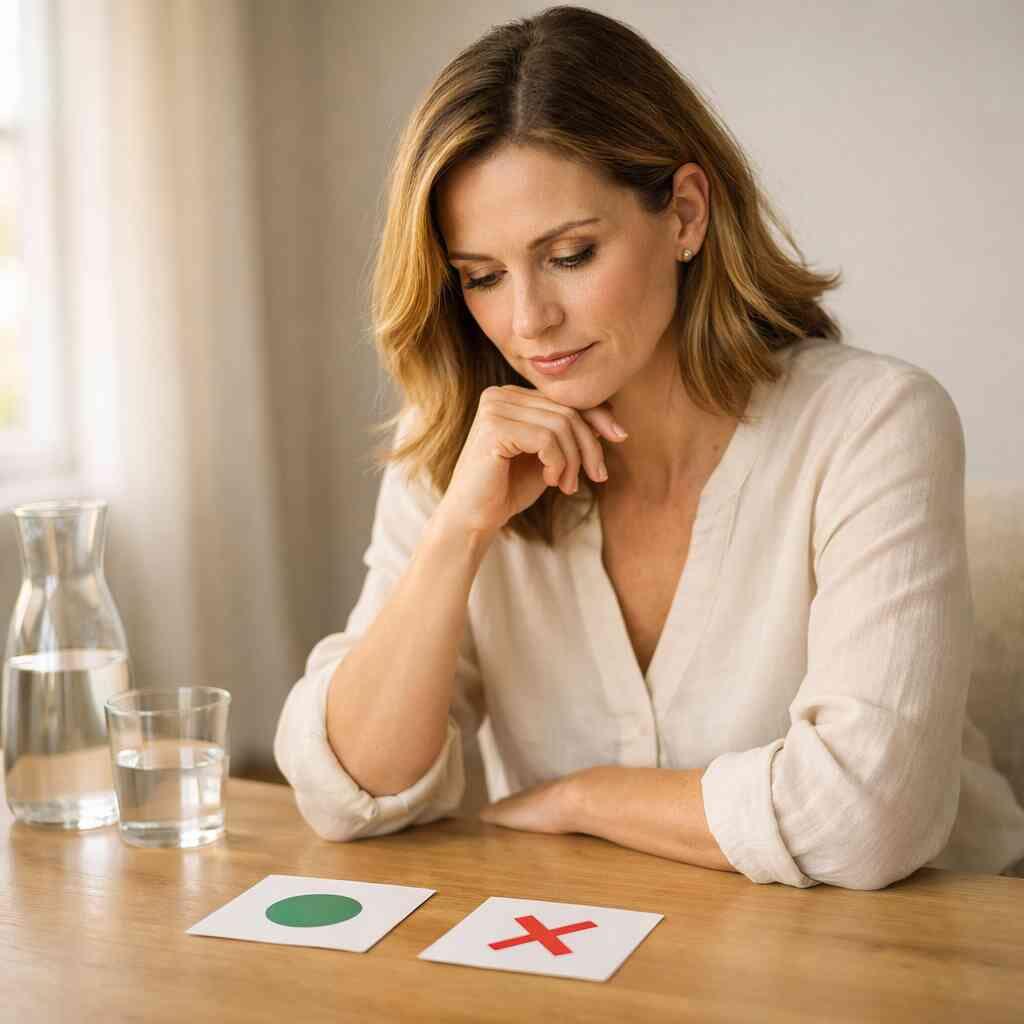
How psilocybin-assisted therapy differs from self-directed use and why integration therapy matters afterward
Psilocybin-assisted therapy is not the same as taking mushrooms alone and hoping for insight. In therapy, the session is usually paired with preparation, intention setting, support during the experience, and psilocybin integration therapy afterward. That final piece is often where the meaning becomes useful in daily life.
Self-directed use can feel private, but it can also leave people with more questions than answers. They may have a strong emotional release and then no plan for what to do next. Integration work helps translate the experience into behavior, boundaries, and emotional language. That can matter as much as the session itself.
If you are exploring psilocybin and talk therapy, the goal is not to overhype the experience. It is to use the experience wisely. A strong session without follow-up can fade into memory. A supported session with reflection, journaling, and clinical guidance can become part of actual change.
The decision that keeps the experience safer and more useful in Florida
How to prepare for a psilocybin session with honest screening expectations and support planning
Preparation should begin with honesty, not optimism. Ask yourself why you are considering psilocybin now. Ask what you hope changes, and what might make the experience harder. If you are carrying panic, grief, or unresolved trauma, that should be named before any session.
Good preparation usually includes medical review, medication review, emotional readiness, and a support plan. It also includes practical details like transportation, time to rest, and who you will contact if emotions feel unstable afterward. If you want a framework, set and setting for psilocybin therapy explains why those variables matter so much.
A Jacksonville reader recently told us their biggest fear was “failing the screening.” That is not the right framing. Screening is not a test you pass or fail. It is a safety conversation that helps determine whether microdosing, macrodosing, or another option makes more sense.
What psilocybin aftercare, integration support, and talk therapy do after a microdose or macrodose experience
The work after the session often determines whether the experience helps or just feels dramatic. Psilocybin aftercare can include sleep support, grounding, reflection, and follow-up conversations. Psilocybin integration support helps you organize what happened without forcing meaning too quickly. That matters after both microdosing and macrodosing.
Talk therapy can be especially useful when a session surfaces old memories or hidden beliefs. You may notice anger, relief, sadness, or a sudden shift in priorities. Those shifts need context. Without it, people sometimes confuse intensity with progress.
For a more structured lens, psilocybin integration therapy aftercare can help you understand what support looks like after the session ends. The best aftercare is calm, specific, and realistic. It helps you carry insights into decisions about sleep, relationships, work, and recovery.
How Florida psilocybin laws and local access in Miami, Orlando, Tampa, and Jacksonville shape real-world choices
Florida access is shaped by law, geography, and available support. Miami, Orlando, Tampa, and Jacksonville each have different populations, referral networks, and expectations. That means the practical answer to “Where can I go?” depends on more than a map. It depends on legality, clinical oversight, and whether the service fits your needs.
People often ask about Florida psilocybin laws, psilocybin decriminalization Florida, and legal psilocybin Florida at the same time. Those are not identical questions. Decriminalization is not the same as legal therapeutic access. Clinical research and therapeutic services are also separate from retail-style access. If you are confused, that confusion is normal.
A careful review of psilocybin laws in Florida for patients can prevent expensive or unsafe assumptions. In Florida, local reality matters. What sounds available in Miami may not exist in Tampa. What seems easy online may be limited by law or by screening requirements.
When to ask about psilocybin therapy cost Florida, insurance psilocybin, and psilocybin therapy near me instead of guessing
Cost questions are uncomfortable, but they are necessary. People want to know about cost of psilocybin therapy, psilocybin therapy cost Florida, and insurance psilocybin because healing has real financial limits. The honest answer is that pricing varies by model, support level, and whether the service is clinical, educational, or retreat-based. I am not going to invent numbers here.
Instead, ask specific questions. Does the fee include screening? Does it include preparation and integration? Is the service local, remote, or tied to a specific clinical setting? If you are comparing psilocybin therapy near me, the cheapest option is not always the safest, and the nearest option is not always the right fit.
If you are ready to compare paths, psilocybin session prep and cost in Florida can help you ask better questions before committing. That is especially useful in high-demand areas like Miami and Orlando, where people often feel rushed. Slow questions tend to produce better choices.
The clearest next move for someone comparing psilocybin treatment, microdosing, and macrodosing for healing
If you are comparing psilocybin treatment, psilocybin therapy, and psilocybin rehab-style support, start with your actual need. If you want subtle mood support, microdosing may be the question. If you want deeper therapeutic work around depression, trauma, addiction, or existential distress, macrodosing in a guided setting may be the more relevant conversation. The research focus is usually on the latter, especially for psilocybin for terminal illness and other significant mental health concerns.
You do not need to solve all of this today. Start by writing down three things: your main symptom, your current medications, and what kind of support you want after the session. Then contact a team that takes screening, legality, and integration seriously. If you are looking for a grounded place to ask those questions, contact psilocybin treatment Florida and ask about the path that fits your situation, not the one that sounds trendiest.
For readers who want a few practical comparisons, here is a simple snapshot:
QuestionMicrodosingMacrodosingExperience levelMild or subtleStrong and immersiveMain goalDay-to-day supportDeep therapeutic workSupport needLower, but still importantHigher, especially with guided careBest fitMild curiosity, careful trackingStructured treatment or guided explorationIf you are still sorting through the noise, that is normal. You do not have to figure it all out alone, and you do not have to figure it all out today. Start with one careful conversation, then build from there.
Frequently Asked Questions
Question: What is the difference between psilocybin microdosing and macrodosing, and how does The Difference Between Psilocybin Microdosing and Macrodosing help people understand psilocybin treatment?
Answer: Psilocybin microdosing usually involves a very small amount intended to create subtle effects, while psilocybin macrodosing is a larger, more immersive experience that may involve noticeable changes in perception, emotion, and thought. In the context of psilocybin treatment, the choice depends on your goals, mental health history, current medications, and whether you are seeking light support or deeper guided work. The Difference Between Psilocybin Microdosing and Macrodosing helps clarify that these are not interchangeable approaches. At Psilocybin Florida, we encourage people to think beyond dose size and focus on safety, screening, set and setting, and the kind of psilocybin therapy that best aligns with their needs. That is especially important for people exploring psilocybin-assisted therapy, magic mushroom therapy, or psychedelic therapy Florida options.
Question: How do guided psilocybin sessions at Psilocybin Florida support people considering psilocybin for depression, psilocybin for anxiety, or psilocybin for PTSD?
Answer: Guided psilocybin sessions are designed to provide structure, support, and intentional preparation before the experience, along with psilocybin integration therapy afterward. For people considering psilocybin for depression, psilocybin for anxiety, or psilocybin for PTSD, that support can make a major difference in how the experience is understood and processed. At Psilocybin Florida, the emphasis is not on casual experimentation. It is on thoughtful psilocybin-assisted psychotherapy that takes the whole person into account, including emotional readiness, medication review, and psilocybin screening contraindications. We also help people understand what psilocybin and talk therapy can look like when they are combined with psilocybin aftercare and integration support. The goal is to create a safer, more meaningful therapeutic process rather than leave people to navigate a psilocybin journey alone.
Question: What should Florida residents know about legal psilocybin Florida, Florida psilocybin laws, and psilocybin clinical trials Florida before looking for psilocybin therapy near me?
Answer: Florida residents should know that psilocybin remains federally controlled, and legal access depends on current law, clinical context, and the specifics of each service model. Florida psilocybin laws are not the same thing as decriminalization, clinical research access, or broader wellness interest. If you are searching for psilocybin therapy near me, psilocybin therapy Orlando, psilocybin treatment Miami, psilocybin clinic Tampa, or psilocybin therapist Jacksonville, it is important to verify what is actually legal, supervised, and appropriate for your situation. Psilocybin Florida encourages people to ask careful questions about legality, screening, and whether a program is tied to psilocybin clinical trials Florida or another legitimate care pathway. That clarity matters just as much as the experience itself, especially for those exploring psilocybin retreats Florida, psilocybin rehab, or other guided options.
Question: How does Psilocybin Florida approach psilocybin and SSRIs, psilocybin and medication interactions, and other screening concerns before treatment?
Answer: Screening is one of the most important parts of safe psilocybin treatment. Psilocybin and SSRIs, along with other psilocybin and medication interactions, can change how the experience feels or whether it is appropriate at all. That is why a careful review of mental health history, medications, substance use, and physical health is essential before any psilocybin therapy is considered. Psilocybin Florida treats screening as a safety conversation, not a pass-or-fail test. We also take psilocybin screening contraindications seriously, especially for people with complex psychiatric histories or medical concerns. This approach supports more responsible care for people seeking psilocybin for treatment-resistant depression, psilocybin for generalized anxiety disorder, psilocybin for social anxiety, or psilocybin for addiction. It also helps determine whether microdosing, macrodosing, or another supportive path is the better fit.
Question: What role do psilocybin preparation, psilocybin set and setting, psilocybin integration therapy, and psilocybin aftercare play in a successful psilocybin journey?
Answer: Psilocybin preparation, psilocybin set and setting, psilocybin integration therapy, and psilocybin aftercare are all essential parts of a well-supported psilocybin journey. Preparation helps clarify your goals, emotional readiness, and practical needs before the session. Set and setting shape the experience by supporting a calm mindset and safe environment. Integration therapy and aftercare then help you make sense of what came up and apply those insights to daily life, relationships, recovery, and mental health. At Psilocybin Florida, we believe psilocybin-assisted therapy should be grounded in compassion, structure, and follow-through. That is especially important for people exploring psilocybin and talk therapy, psilocybin holistic therapy, psilocybin integration support, or more intensive psilocybin-assisted psychotherapy. The experience is only one part of the process; what happens before and after can be just as meaningful.
Question: How can people in Miami, Orlando, Tampa, Jacksonville, and other Florida cities compare psilocybin therapy cost Florida, insurance psilocybin, and local access responsibly?
Answer: People comparing psilocybin therapy cost Florida and insurance psilocybin should ask exactly what is included in the service, such as screening, preparation, the guided session itself, and integration support afterward. Pricing can vary widely depending on the model, and it is important not to assume that the cheapest or closest option is the best. If you are looking in Miami, Orlando, Tampa, Jacksonville, or nearby areas like West Palm Beach, Fort Lauderdale, Sarasota, Naples, or Boca Raton, the more useful question is whether the program is clinically grounded, legal, and supportive of your goals. Psilocybin Florida encourages people to evaluate services carefully rather than rushing into a decision based on trends or convenience. That is especially true for people seeking psilocybin for alcoholism, psilocybin for smoking cessation, psilocybin for OCD, psilocybin for eating disorders, or psilocybin for terminal illness, where support and screening are especially important.