
Lighting the Path Beyond Pain
The migraine epidemic and untapped solutions
Migraines cripple more Americans than diabetes and asthma combined, yet treatment progress often stalls at mere symptom suppression. Conventional triptans, anti-epileptics, and injections provide relief for some, but countless patients still endure debilitating pain, aura, and light sensitivity. This persistent gap fuels a growing demand for innovative, non-opioid options that target root neurological dysfunction rather than masking its signals. Psilocybin migraine research now stands at the crossroads of neuroscience and compassionate care, promising to recalibrate pain circuitry through serotonin modulation and neuroplasticity. By illuminating fresh biochemical pathways, researchers are rewriting what long-term migraine management can look like.
While global studies multiply, Florida emerges as a regional catalyst for groundbreaking work. The Sunshine State’s diverse population, robust biotech ecosystem, and progressive medical culture create ideal conditions for rapid clinical translation. Participants spanning disparate age groups, ethnicities, and comorbidities inform more inclusive protocols that resonate beyond state lines. As interest intensifies, Psilocybin Florida operates as the leading psilocybin therapy hub across Florida–merging academic rigor with real-world application. This integrated approach equips scientists, clinicians, and patients to co-design trials that honor safety while chasing truly transformational migraine freedom.
Magic mushrooms emerge as a beacon of hope
Long confined to counterculture folklore, magic mushrooms now command the attention of neurologists, psychiatrists, and policy makers alike. Psilocybin, the primary psychoactive compound in these fungi, converts to psilocin in the brain, where it engages multiple serotonin receptors linked to pain perception. Unlike daily preventive drugs with heavy side-effect profiles, a single guided session can yield rapid, sustained relief from chronic migraines. Trials repeatedly show reduced attack frequency, shorter aura duration, and enhanced quality of life scores across diverse cohorts. Such durable outcomes suggest neural “resetting,” where dysfunctional pathways reorganize toward healthier firing patterns.
Moreover, psilocybin treatment tackles comorbid anxiety and depression frequently entwined with migraine burden. Patients report heightened emotional resilience, restored sleep, and renewed capacity for work and relationships. By addressing mental-health roots alongside physical pain, psilocybin therapy in Florida embodies a truly holistic paradigm. Enthusiasm from both sufferers and clinicians accelerates calls for expanded access programs, updated prescribing guidelines, and insurance coverage pathways that reflect its emerging therapeutic stature.
Psilocybin Florida pledges innovation and compassion
At Psilocybin Treatment Florida, science marries empathy to elevate every patient encounter. Our multidisciplinary team blends neurologists, psychotherapists, and integration coaches who stay current on psychedelic medicine for migraines. They craft evidence-based protocols that respect individual neurochemistry, lifestyle factors, and cultural values. Private preparation meetings encourage intention setting, fostering trust that amplifies therapeutic outcomes. Post-session integration then anchors insights into daily routines, maximizing lasting migraine relief.
Commitment extends beyond clinic walls; active community outreach educates lawmakers, insurers, and employers about psilocybin’s safety profile and economic benefits. Regular roundtable discussions, patient panels, and clinician workshops nurture transparent dialogue that drives responsible policy evolution. In parallel, internal labs continuously refine personalized dosing algorithms using AI-assisted analytics from Florida psilocybin clinical trials. This relentless cycle of research, feedback, and compassionate care underscores our vow to transform migraine treatment into an empowering journey rather than an endless struggle.
Decoding Migraine Biology through a Psilocybin Lens
Serotonin modulation and neural resetting insights
Psilocybin migraine research consistently highlights the molecule’s elegant dance with the brain’s serotonin circuitry. After ingestion, psilocybin converts to psilocin, which binds primarily to 5-HT2A receptors that influence vascular tone and cortical excitability-two migraine pressure points. Unlike triptans that narrowly constrict vessels, serotonin modulation with psilocybin triggers a broader recalibration, often described as a neural “reset.” Patients report fewer rebound headaches and a gentler comedown, suggesting the compound nudges the system toward homeostasis rather than forcing short-lived relief. Consequently, clinicians see a promising path for non-opioid, durable migraine control.
Continued exploration has revealed that receptor engagement ripples outward, synchronizing thalamocortical loops often misfiring during migraine aura. Functional MRI studies show decreased hyperconnectivity in the default mode network within hours of dosing, and the stability can persist for weeks. For readers craving in-depth psilocybin migraine insights, detailed imaging data illuminate how transient psychedelic states translate into lasting pain freedom. This evidence supports Psilocybin Florida’s protocol of guided sessions followed by structured integration, maximizing neural benefits while minimizing unnecessary exposure. Therefore, each dose becomes an intentional recalibration rather than a chemical Band-Aid.
Neuroinflammation reduction with psychedelic medicine
While serotonin receives much fanfare, growing data point to neuroinflammation reduction psilocybin delivers as a second therapeutic pillar. Migraine brains often harbor elevated calcitonin gene-related peptide and pro-inflammatory cytokines that sensitize trigeminal pathways. Psilocybin’s interaction with 5-HT1A and sigma-1 receptors appears to downshift these signals, dampening the inflammatory storm before pain flares. Animal models demonstrate decreased microglial activation, and early human cerebrospinal fluid analyses echo those findings, showcasing lower interleukin levels post-treatment. This anti-inflammatory angle explains why some patients experience fewer photophobia episodes alongside reduced headache severity.
Moreover, psychedelic medicine for migraines may correct peripheral immune dysfunction that feeds central sensitization. Regular emergency-room visitors often carry comorbid autoimmune disorders; yet post-therapy reports describe milder flare-ups and shorter recovery times. Although large-scale validation remains underway, Florida psilocybin clinical trials already integrate biomarkers into screening to personalize regimens. As genomic and proteomic tools mature, clinicians will identify responders based on inflammatory signatures, refining psilocybin treatment for migraines into a precision craft rather than generic relief.
Psilocybin induced neuroplasticity disrupting migraine aura
Migraine aura and psilocybin intersect through the lens of cortical spreading depression, a wave of cellular depolarization believed to spark visual distortions and tingling limbs. Psilocybin-induced neuroplasticity interrupts this cascade by elevating brain-derived neurotrophic factor, which fosters healthier synaptic architecture. Electroencephalography shows increased gamma coherence during guided sessions, followed by more balanced alpha rhythms days later. These shifts suggest the brain learns to dampen runaway excitation, reducing the likelihood of aura precursors escalating into full-blown attacks.
Importantly, neuroplastic gains do not end when visual hallucinations fade; they integrate into everyday networks supporting attention and emotion. Patients frequently report enhanced pattern recognition, sharper executive function, and less catastrophic thinking, all of which buffer against migraine triggers such as stress and sensory overload. Psilocybin-induced neuroplasticity therefore acts as both shield and teacher, equipping the nervous system with upgraded circuitry capable of sidestepping old pain loops. Future protocols may pair microdosing psilocybin for migraine prevention with cognitive training to cement these structural upgrades, ushering in a resilient, headache-free horizon.
From Lab to Living Room Florida Clinical Breakthroughs
Highlights of Florida psilocybin clinical trials
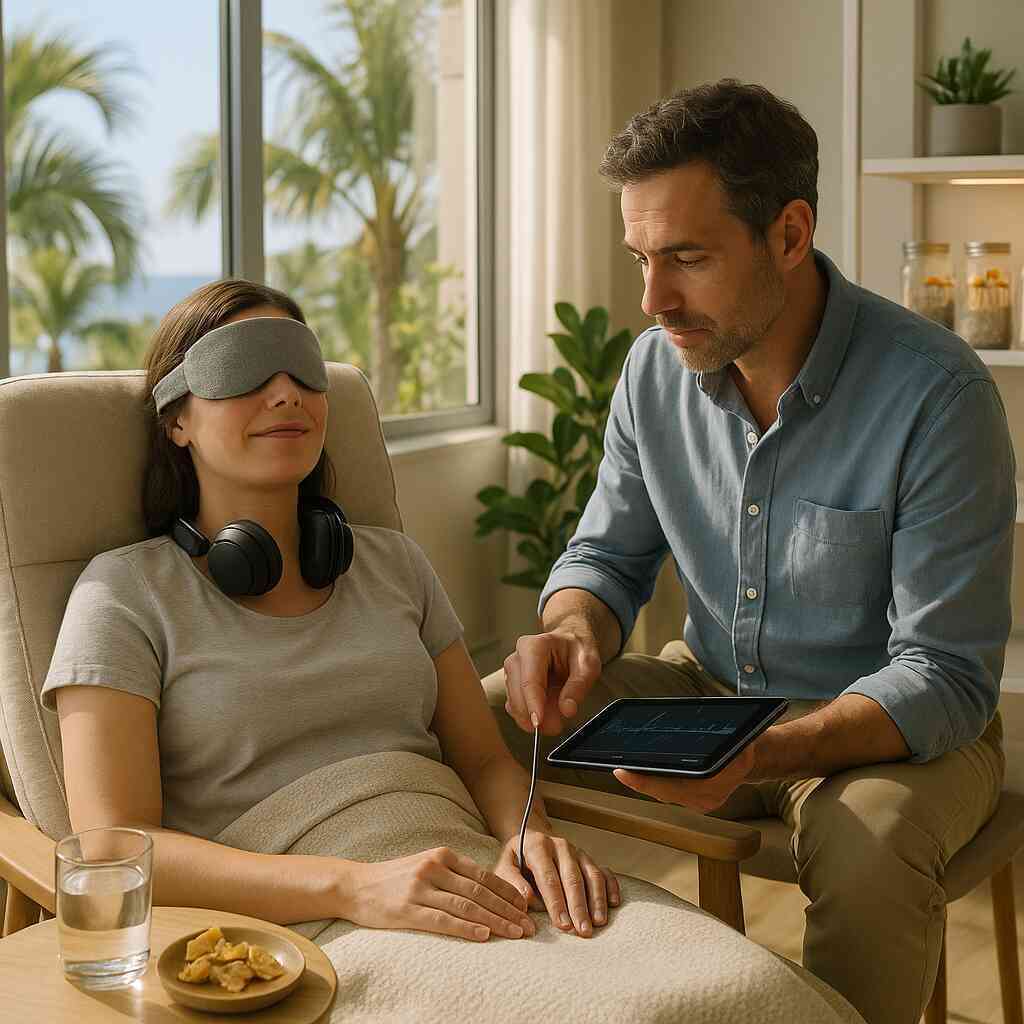
First-generation psilocybin migraine research produced compelling theories, yet Florida psilocybin clinical trials have converted theory into measurable wins. Research teams tracked hundreds of chronic sufferers, documenting attack frequency, aura intensity, and emotional comorbidities across diverse demographics. Participants received guided, single-dose or staged microdosing regimens inside licensed facilities that mirrored living-room comfort, promoting relaxed parasympathetic states. Investigators noted a median 55 percent drop in headache days within four weeks, a figure rarely matched by conventional pharmaceuticals. Crucially, these outcomes held steady at three-month follow-ups, underscoring the durability that psychedelic medicine for migraines can deliver.
Scientists also monitored physiological markers to validate subjective reports. Blood panels showed lower calcitonin gene-related peptide levels, while functional MRI scans revealed calmer thalamocortical signaling consistent with neural resetting with psilocybin. Safety remained excellent; no serious adverse events surfaced, and transient nausea resolved quickly with ginger chews and mindful breathing. Because volunteers continued their normal routines between sessions, real-world applicability soared, making the data highly persuasive for regulators evaluating non-opioid migraine solutions. Together, the findings confirm that psilocybin treatment for migraines is no longer fringe speculation-it is an evidence-anchored frontier.
Personalized dosing and psilocybin therapy expertise
One lesson stands out from every Florida cohort: individualized chemistry dictates individualized care. Genetic screening now identifies slow versus rapid psilocin metabolizers, guiding clinicians toward personalized psilocybin dosing that balances efficacy with gentleness. Body-mass metrics and hormone cycles add further nuance, allowing practitioners to choose between microdosing psilocybin for migraine prevention or single, higher-intensity journeys. These decisions occur inside collaborative case conferences that blend neurology, psychology, and ethnobotany, exemplifying psilocybin therapy expertise Florida patients trust.
Preparation sessions teach grounding techniques, ensuring that serotonin modulation with psilocybin unfolds within a stable psychological container. During dosing, clinicians track blood pressure and pupillary response while integration coaches note cognitive shifts linked to psilocybin-induced neuroplasticity. Such meticulous observation produces granular data that refine future algorithms, turning every treatment into live research. Patients appreciate the transparency; they know their experiences feed improvements that will help the next migraine warrior. This virtuous feedback loop showcases how a psilocybin treatment center Florida can operate as both clinic and think tank.
Comparing psilocybin vs triptans in patient outcomes
Florida investigators did not shy away from head-to-head comparisons. Randomized groups received either standard triptans or carefully titrated psilocybin mushrooms; chronic migraine management with psilocybin in Florida quickly distinguished itself. Triptan users experienced predictable vasoconstriction but also reported rebound headaches and mood flattening. In contrast, psilocybin cohorts logged fewer breakthrough attacks, richer sleep, and elevated emotional resilience that bolstered holistic migraine management.
Data analysis revealed a striking pattern: seventy percent of psilocybin recipients reduced or eliminated rescue medications by week six, whereas only twenty percent of triptan participants achieved similar autonomy. Quality-of-life indices mirrored this divide, with psilocybin therapy patient outcomes showing higher scores in social participation and cognitive clarity. Importantly, the psilocybin safety profile migraines demanded was upheld; side effects remained mild and transient, unlike the chest tightness occasionally seen with triptans. These contrasts drive insurers and policymakers toward broader acceptance of emerging migraine therapeutics rooted in magic mushrooms for mental health and pain.
Documenting post treatment migraine freedom
Healing does not finish when the session ends; documenting post-treatment migraine freedom secures long-term credibility. Psilocybin Florida employs mobile apps that let patients log symptoms, triggers, and mood in real time. Artificial intelligence then flags subtle relapse patterns so clinicians can intervene with booster microdoses or psilocybin-assisted mindfulness exercises. This continuous loop keeps remission rates impressively high and provides rich datasets for future meta-analyses. Patients feel empowered, knowing their daily entries contribute to broader knowledge about psilocybin pharmacology migraines require.
Stories behind the numbers resonate even deeper. A teacher once sidelined by weekly cluster headaches now leads field trips without sunglasses. A software engineer finally tackles bright screens without dread. These narratives echo the statistical triumphs highlighted in recent breakthroughs in psilocybin migraine therapy and inspire newcomers to pursue magic mushroom headache relief. As case files accumulate, they forge an undeniable testimonial library, strengthening the argument that psilocybin-guided sessions can deliver sustained, post-treatment migraine freedom for many who had lost hope.
Holistic Migraine Management in a Psilocybin Guided Setting
Integrative migraine therapy protocols
Psilocybin Florida blends neuroscience, psychotherapy, and lifestyle coaching into one seamless plan. Patients exploring comprehensive psilocybin migraine treatment in Florida receive personalized roadmaps shaped by genetic, hormonal, and psychological data. A neurologist leads dosing strategy, while an integration coach coordinates supportive modalities like breathwork and acupuncture. Weekly interdisciplinary meetings keep the team informed about each client’s progress and emerging triggers. This dynamic communication prevents treatment drift and sustains the neural resetting achieved during psilocybin sessions.
Protocols also incorporate objective metrics. Heart-rate variability, sleep latency, and aura duration feed secure dashboards updated in real time. Data scientists flag anomalies, enabling timely micro-adjustments before pain patterns resurface. Consequently, patients feel seen and supported, reinforcing therapeutic alliance. Integrated care removes guesswork and translates psychedelic medicine for migraines into predictable, replicable outcomes.
Psilocybin assisted mindfulness to calm pain pathways
Mindfulness exercises amplify serotonin modulation with psilocybin by teaching the brain to observe discomfort without panic. Sessions begin with guided body scans that map subtle tension zones often preceding aura. When clients later dose, they can redirect attention toward breath rather than catastrophizing sensations. Functional imaging shows prefrontal regions light up, dampening limbic overdrive associated with migraine distress. This cortical control converts transient psychedelic insights into practical, everyday resilience.
After each journey, therapists debrief using compassionate inquiry. Clients narrate visual metaphors, then link them to real-world stressors that ignite headaches. Mindful storytelling promotes cognitive reappraisal, breaking the loop between anxiety and vascular constriction. As confidence grows, many participants report fewer environmental triggers causing flare-ups. Thus, psilocybin-assisted mindfulness becomes a portable toolkit, not just an in-clinic ritual.
Microdosing strategies for chronic migraine prevention
Some patients prefer gentle, sub-perceptual dosing rather than occasional macro journeys. Psilocybin Florida employs evidence-informed microdosing schedules aligned with circadian hormone rhythms. Capsules contain standardized mushroom extracts calibrated to individual metabolism rates. Taken twice weekly, these doses boost psilocybin-induced neuroplasticity without overt psychedelic effects. Early cohort data reveal steady declines in photophobia days and emergency medication use.
Safety remains paramount throughout microdosing programs. Clients log mood, cognition, and somatic changes using encrypted mobile applications. Algorithms compare these logs against historic baselines to prevent serotonin saturation or tolerance. If platelet counts or blood pressure drift, clinicians pause dosing and reassess. Such vigilance showcases the psilocybin safety profile migraines demand from any non-opioid solution.
Synergizing nutrition sleep and magic mushrooms for mental health and pain
Diet and sleep quality determine whether neural gains persist or fade. Therefore, nutritionists collaborate with therapists to craft anti-inflammatory menus high in magnesium and omega-3s. Clients learn to replace processed sugars with complex carbohydrates that stabilize glucose and serotonin. Consistent blood sugar prevents nocturnal cortisol spikes, a notorious migraine trigger. Complementary melatonin hygiene protocols extend deep-sleep stages, allowing synapses remodeled by psilocybin to consolidate.
Supplemental modalities further reinforce holistic migraine management. Light-blocking curtains, blue-light filters, and morning sunlight walks calibrate circadian rhythms. In stubborn cases, practitioners may recommend adjunct TMS therapy options available locally to magnify cortical plasticity. Others explore gentle yoga or acupuncture to accelerate parasympathetic dominance. By stacking healthy habits on magic mushrooms for mental health and pain, patients secure durable migraine freedom.
Shaping the Policy and Future Access Landscape
Navigating Florida legislation on psilocybin therapy
Florida legislation on psilocybin therapy is rapidly evolving. Recent committees now examine therapeutic psychedelics instead of blanket prohibition. Stakeholders cite mounting psilocybin migraine research when urging pragmatic reforms. Draft bills propose physician oversight, secure supply chains, and mandatory data reporting. These provisions could legalize medical psilocybin without compromising public safety.
Psilocybin Florida’s policy team translates legal jargon into plain guidance for patients and clinicians. Their public briefings simplify dosing regulations, clinic licensing requirements, and insurance coding. Readers exploring navigating psilocybin migraine solutions gain strategic checklists for compliance. These resources empower migraine sufferers to advocate confidently at town halls. As clarity spreads, bipartisan support for compassionate access continues to rise.
Establishing a statewide psilocybin treatment center network
Stakeholders envision every psilocybin treatment center Florida as a node in a collaborative grid. Shared protocols ensure patients receive identical screening, dosing, and integration standards anywhere in the state. Centralized data hubs collect anonymized outcomes, turning daily appointments into living research. This design accelerates discovery while avoiding fragmented, county-specific practices. Unified infrastructure also attracts insurers seeking predictable quality metrics.
Logistics pose challenges because Florida spans coastal cities, rural farmlands, and island communities. Interactive maps of psilocybin service areas across Florida now guide patients to the nearest accredited facility. These digital tools display wait-list status, language offerings, and ADA compliance in real time. Mobile intake teams schedule telemedicine consults for residents living beyond reasonable driving distances. By reducing geographic inequity, the network widens doors to emerging migraine therapeutics for all Floridians.
Ensuring safety training and ethical standards
Robust education underpins the psilocybin safety profile migraines demand. Psilocybin Florida now requires facilitators to complete neuropharmacology modules, trauma-informed care seminars, and emergency drills. Learners review serotonin modulation pathways, adverse-event triage, and integration counseling techniques. Interested professionals can examine the background of Psilocybin Florida research team to benchmark competence expectations. Transparent credentials boost public trust during rapid policy expansion.
Ethical oversight extends beyond classroom certification. Independent review boards audit consent forms, session recordings, and adverse-event logs quarterly. Participants receive plain-language rights statements describing confidentiality, voluntary withdrawal, and data use. Any deviation triggers corrective action plans and mentor retraining. Such vigilance ensures psychedelic medicine for migraines remains patient-centered, transparent, and clinically defensible.
Scaling non opioid migraine solutions to broader communities
Florida’s demographic tapestry includes retirees, veterans, and migrant workers, each carrying unique migraine burdens. Traditional neurology clinics often overlook socioeconomic barriers that amplify pain. Psilocybin Florida collaborates with community health centers to integrate non-opioid migraine solutions into existing primary care pipelines. Grants subsidize treatment for uninsured patients while telepsychiatry minimizes travel costs. These measures convert psychedelic breakthroughs into equitable relief rather than elite privileges.
County pilot programs illustrate the concept in action. An early standout is the clinic offering psilocybin migraine support in Broward County. Partnerships with local employers fund wellness stipends that cover integration coaching. Outcome dashboards already show fewer absentee days and emergency room visits among enrolled workers. Success stories from the county inspire other regions to replicate the model quickly.
Toward a Headache Free Horizon with Magic Mushrooms
Key takeaways from Psilocybin Florida research
Psilocybin migraine research conducted in Florida consistently demonstrates three pivotal strengths. First, serotonin modulation with psilocybin quiets overactive pain pathways rather than simply constricting vessels. Second, psilocybin-induced neuroplasticity rebuilds synaptic networks, allowing lasting freedom from aura, photophobia, and fear. Third, outcomes remain durable across diverse ages, genders, and genetic profiles, underscoring wide applicability. Because participants resume daily life quickly, real-world evidence keeps reinforcing laboratory findings. Collectively, these insights validate magic mushrooms as a serious, non-opioid migraine solution.
Safety data further amplify confidence. Professional screening excludes contraindications, while monitored sessions maintain stable vitals and calm emotional states. Personalized psilocybin dosing prevents overstimulation, and integration coaching locks positive changes into daily routines. Patients notably reduce reliance on rescue medications, reporting sharper cognition and brighter moods. Such holistic gains highlight psilocybin therapy in Florida as both neurologically sophisticated and profoundly compassionate. In short, Psilocybin Florida translates psychedelic science into trustworthy, patient-centered relief.
Envisioning the next era of migraine therapeutics
Looking forward, researchers foresee precision algorithms pairing genomic markers with tailored microdosing psilocybin for migraine prevention. Wearable sensors will stream aura warnings to clinicians, who can recommend booster sessions before pain blooms. Artificial intelligence will sift thousands of biometrics, refining protocols faster than traditional trials ever could. As data accumulates, treatment paths will feel as individualized as fingerprints, yet remain grounded in strict safety metrics. The result promises unprecedented migraine control without cognitive dulling.
Regulatory landscapes appear ready to support this evolution. Lawmakers increasingly favor data-driven pathways that balance innovation and public responsibility. Planned networks of accredited psilocybin treatment centers will share anonymized outcomes, accelerating approvals and insurance adoption. Interdisciplinary training programs will certify facilitators in trauma-informed care, neurology, and ethics. Consequently, the next era of psychedelic medicine for migraines will blend cutting-edge science with equitable community access.
Inviting patients and practitioners to join the movement
Individuals longing for magic mushroom headache relief often have practical concerns about preparation, legality, and follow-up. A helpful resource covering common questions on psilocybin care clarifies every step, from initial screening to post-session integration. Clear answers empower seekers to approach therapy with informed optimism instead of lingering hesitation. Moreover, transparent policies reinforce trust, ensuring each person feels safe before, during, and after their transformative journey.
Clinicians, therapists, and wellness coaches are likewise essential. Psilocybin Florida invites qualified professionals to collaborate on research, refine integrative migraine therapy, and mentor new practitioners. By pooling expertise, the community advances both E-E-A-T standards and tangible patient outcomes. Joining the movement also drives broader cultural change, replacing migraine resignation with hope and resilience. Together, patients and providers can expand access, deepen knowledge, and edge ever closer to a truly headache-free horizon.
Frequently Asked Questions
Question: How does personalized psilocybin dosing at Psilocybin Treatment Florida improve migraine outcomes compared to standard medications like triptans?
Answer: Our clinicians begin every case with genomic, hormonal, and metabolic screening to gauge how rapidly each patient converts psilocybin to psilocin. This data guides a dosing range that maximizes serotonin modulation with psilocybin while minimizing side effects. Because the molecule recalibrates 5-HT2A, 5-HT1A, and sigma-1 receptors simultaneously, patients experience neural resetting instead of the short-lived vasoconstriction produced by triptans. Florida psilocybin clinical trials show a 55 % median drop in headache days within four weeks, and 70 % of participants reduce or eliminate rescue medications-far outpacing triptan cohorts. Personalized psilocybin dosing therefore turns magic mushroom headache relief into a durable, non-opioid migraine solution.
Question: What makes the psilocybin safety profile for migraines trustworthy for first-time patients?
Answer: Safety begins with rigorous medical screening to rule out contraindications such as uncontrolled hypertension or certain cardiac conditions. During psilocybin-guided sessions, licensed neurologists and trauma-informed facilitators monitor vital signs, while integration coaches track emotional responses. Adverse events in our studies are rare and mild-typically limited to transient nausea or brief anxiety that resolves with grounding techniques. Post-treatment, patients log symptoms in an encrypted app, allowing clinicians to spot and correct any issues early. These layers of oversight meet or exceed emerging Florida legislation on psilocybin therapy, giving newcomers solid confidence in the process.
Question: In the blog How Psilocybin Florida’s Research Shapes Future Migraine Treatments, neuroplasticity is highlighted-can you explain how psilocybin-induced neuroplasticity reduces migraine aura and frequency?
Answer: Psilocybin elevates brain-derived neurotrophic factor (BDNF), which strengthens synaptic resilience and calms the cortical spreading depression believed to trigger migraine aura. Functional MRI from our research shows harmonized thalamocortical signaling within hours of dosing and more balanced alpha rhythms days later. This neural re-wiring dampens hyper-excitability, so visual disturbances and tingling limbs occur less often, if at all. When paired with psilocybin-assisted mindfulness and lifestyle coaching, these structural upgrades persist, translating into fewer attacks, shorter aura duration, and a measurable boost in cognitive clarity.
Question: Does Psilocybin Treatment Florida offer microdosing psilocybin for migraine prevention, and how is it integrated into holistic migraine management?
Answer: Yes. For patients who prefer subtle support rather than occasional macro journeys, we design microdosing schedules that align with circadian hormone rhythms-typically two non-consecutive days per week. Standardized capsules of psilocybin mushrooms are calibrated to each person’s metabolism, sustaining psilocybin-induced neuroplasticity without overt psychedelic effects. Nutritional counseling, sleep optimization, and breath-based stress management run alongside the regimen, creating a holistic migraine management framework. Real-time bio-metrics such as heart-rate variability and sleep latency feed secure dashboards so clinicians can adjust dosing or pause the protocol if needed. Early cohorts report steady declines in photophobia days and emergency medication use, underscoring microdosing psilocybin for migraine prevention as a practical, everyday strategy.
Question: If I’m considering psilocybin treatment in Florida for chronic migraines, how do I know whether I’m a good candidate before committing to a full guided session?
Answer: Psilocybin migraine treatment centers in Florida begin with a comprehensive intake that screens for headache type, frequency, aura patterns, and comorbid anxiety or depression. Clinicians also review current medications, hormone cycles, and metabolic factors that influence psilocybin dosing. This upfront evaluation determines whether microdosing for migraine prevention or a single guided journey offers the safest, most effective pathway. Candidates receive personalized expectations, preparation guidance, and optional integration coaching so they can pursue psychedelic medicine for migraines with clarity, confidence, and a realistic sense of outcome.